
Are you a fan of Wim Hof, aka “The Iceman?” Do you listen to Andrew Huberman’s wildly successful podcast? Have you heard about professional athletes, including Tom Brady, Cristiano Ronaldo, and Usain Bolt, who use cold plunging, ice baths, cryotherapy, and other forms of cold therapy to help improve their muscle recovery and enhance athletic performance?
RELATED: Best Muscle Recovery Tools
Cold therapies, like the cold water plunge, have never been hotter than they are today. They are widely used in sports medicine contexts, but now more than ever, everyday folks are learning about the potential benefits of cold plunging and adding it to their regular health and wellness routines.
We sat down with Dr. Michael Masi, DPT and Founder of Masi Fitness, to discuss what the cold plunge is, ideal temperature range, how to cold plunge, how long to cold plunge, how often to cold plunge, and the health benefits associated with cold plunging so you’ll have everything you need to try it out yourself!
What Is a Cold Plunge?
“Cold plunges involve immersing yourself into cold water to receive health benefits associated with exposure to cold temperatures,” explains Dr. Masi. “Generally, the immersion is brief, only a few minutes at a time, but the stimulus creates a physiological response and, in turn, results in potential health benefits.”

The cold plunge is just one method of administering cold therapy, with other methods including cryotherapy, ice baths, cold showers, and cold water swimming.
RELATED: Ice Bath Benefits
How to do Cold Plunge
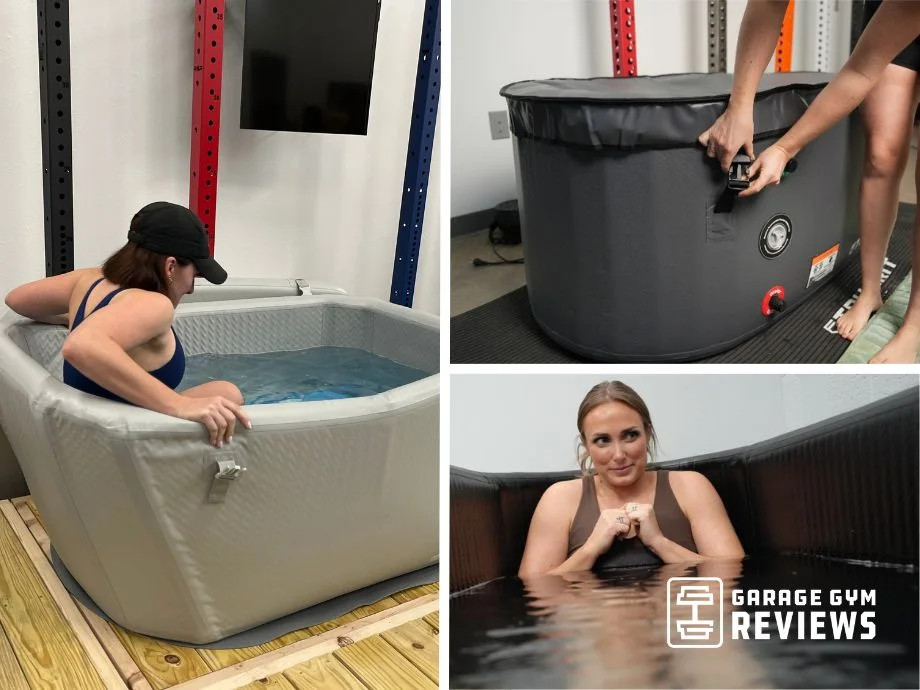
There are many ways to cold plunge, including hopping in the nearest body of water (assuming you don’t live in the tropics). But if you’re wondering how to cold plunge at home, you have a few options:
- Fill your bathtub with cold water and ice
- DIY a cold plunge with a stock tank
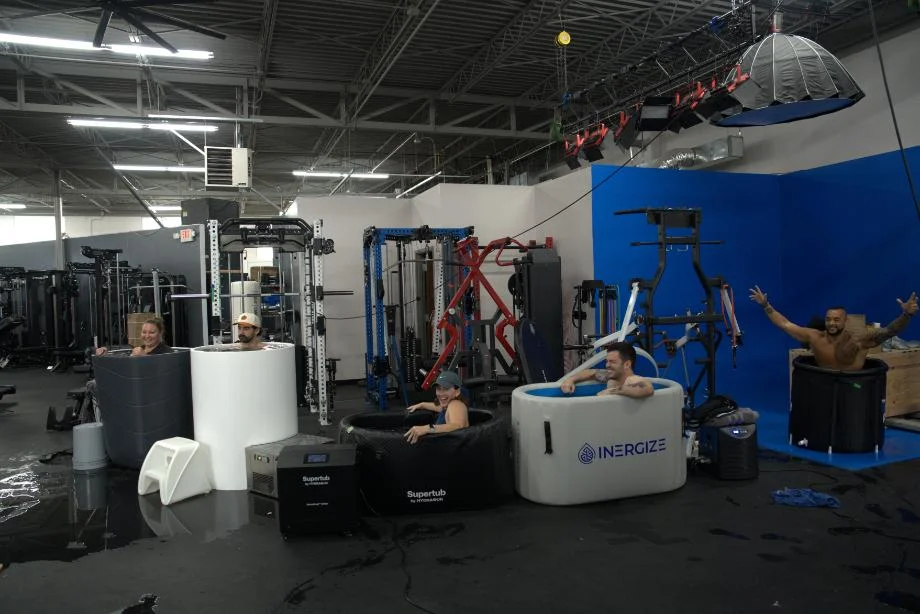
- Purchase one of the best cold plunge tubs for your home
Here’s our step-by-step guide on how to ice plunge like a pro:
- Set up your cold plunge tub according to the instructions (or fill your bathtub or DIY plunge with ice and water). The ideal cold plunge temperature is between 53 to 60 degrees Fahrenheit. Start warmer and progress to colder temperatures with more plunge practice.
- Prepare a timer for anywhere between 2-10 minutes: If you’re brand new, you can start with 30 to 60 seconds, working up to longer durations with more cold plunge experience. More experienced folks can tolerate 10-15 minutes.
- Breathe before you dunk: You’ll want to make sure you’re using a breathing technique that works for you (our cold plunge testers like the Wim Hof Method). We suggest practicing a few breaths before you get into the ice bath and continuing once you’re in.
- Enter slowly: It’s quite the shock, so don’t worry about trying to rush in. Take your time and work on breathing while you start to submerge.
- Hit that timer you prepared once you’re in the ice bath!
- Focus your mental effort on your breath: Rather than thinking about how darn cold you are, focus your attention on your breathing and the breathwork pattern you’ve chosen.
- Exit the cold plunge: Slowly warm yourself back up.
RELATED: DIY Cold Plunge Tuff Stuff Stock Tank Review
You’ll be tempted to jump into a hot shower and get toasty right away, but fight the urge! Warming up slowly avoids shocking the system further and maximizes the benefits of the cold plunge.
If you’re in a rush, wrap yourself in a warm, dry towel and sip a warm beverage.

How Long to Cold Plunge
Christopher Mohr, PhD, RD, recommends limiting cold plunges to 10 to 15 minutes at the very high end—and that’s for experienced folks. Those who are just starting out should begin with as little as 30 to 60 seconds and work up to two to three minutes. You can progress by adding 15 to 30 seconds each time you plunge.
What to Expect During a Cold Plunge
If you’ve never plunged before, it’s natural to be a little nervous. Knowing what to expect can chill (pun intended) your nerves a bit.
- Increased heart rate: It is natural for your heart rate to increase when you submerge yourself into cold water. Your body detects the temperature change and begins working harder to pump more blood to keep you warm.
- Fast breathing: In response to a sudden increase in heart rate, an increase in breathing rate may also occur. It’s important to practice slow, steady breathing—in through the nose, out through the mouth. Count to four for each inhale and exhale.
- Muscle weakness, especially in the hands: You may notice that it feels hard to make a fist or wiggle your fingers. Reduced blood flow to the hands can make them feel stiff and weak as your body directs essential blood flow to your central organs.
- Skin numbness: As blood shifts away from your skin to your essential organs, you may feel numbness or tingling on the surface of your skin.
Broadly speaking, these effects are expected and natural and, as long as you can control your breathing and limit your cold plunge to just a few minutes, are not cause for alarm. Over time, your body adapts, and the immersion won’t feel like such a shock to your system.
If at any point you feel a sense of panic, anxiety, shortness of breath, confusion, or dizziness, exit the cold plunge immediately.
How to Prep to Cold Plunge
If you’re nervous about hopping into a cold plunge, here are a few tips from Amanda Capritto, CPT, CES, CF-L1, CNC, CSNC.
- Breathe and relax: Before getting into the water, take controlled breaths (inhale through the nose, exhale through the mouth). This calms your body and prepares it for the shock of entering the cold water by lowering your heart rate.
- Start slowly: This means start at a relatively higher temperature, closer to 60 degrees than freezing, and for 30 to 60 seconds if you’re new to this.
- Set a timer: Use your smartphone to set a timer for the amount of time you want to spend in the tub.
- Have a towel nearby: Just as you wouldn’t get into a shower without a towel to dry off and warm up, you should also have one close to your cold plunge before getting in.
Integrating Cold Plunging Into Your Routine
Because data on the best time to cold plunge are inconsistent at best, it’s really up to you as to the best way to integrate cold plunging into your routine. Some people like to do it daily, starting their day with a dip into icy water. Proponents say it helps them get their mind right for the day and start off with a boost of energy and clarity.
Others reserve cold plunging for the post-workout period in hopes of mitigating muscle damage or speeding up muscle growth.
“It is important to note the data are not conclusive and there is some uncertainty on the timing of immersion, optimal temperatures or complete mechanisms around the outcomes and purported benefits,” says Mohr.
Cold plunging only takes a few minutes if you have an at-home plunge that stays full and cooled, so you could theoretically plunge as frequently as you like. You’ll be more limited if you fill up your bathtub with water and ice, as that method takes longer and needs to be started from scratch each time.
What’s Happens to Your Body During a Cold Plunge?
A 2022 study published in the International Journal of Circumpolar Health1 describes what happens to your body during a cold plunge.

The cold exposure challenges the body to acclimate and produce heat to maintain a safe body temperature. Thermoregulation is achieved through various means, including:
- Thermogenesis through shivering
- Thermogenesis through brown adipose tissue (brown fat) activation
- Cold-induced vasodilation2, or increased blood flow
Basically, your body knows it needs to warm up in order to protect your vital organs and continue performing the metabolic processes, so you start shivering, which generates heat, your blood vessels fluctuate between dilation and constriction, improving the flow of warm blood towards the surface of the skin, and even your fat deposits, specifically “brown adipose tissue,” create heat as well.
RELATED: Polar Monkeys Cold Plunge Review
Health Benefits of a Cold Plunge
You may have seen pro athletes—and folks on TikTok and social media—using ice plunges for their potential health benefits, but what exactly are those benefits? Turns out, cold plunging might be a boon for overall health, impacting several body systems from immunity to cognitive function.
May Help Boost Immune System
Clinical trials3 determined that cold water immersion produced “immunostimulating effects,” specifically an increased “leukocyte, granulocyte, and monocyte response.”
“Leukocytes, granulocytes, and monocytes are types of white blood cells that fight against infections and diseases,” says Dr. Masi, “so it is theorized that the augmented response of disease-fighting white blood cells due to cold water exposure has a positive effect on your immune system.”
RELATED: Wet Sauna vs Dry Sauna Benefits

May Aid in Muscle Recovery
Numerous studies have been conducted over the years to determine if cold water immersion therapies like the cold plunge assist in muscle recovery.
Some studies4 have found it to be an effective practice, similar to active recovery, for reducing delayed-onset muscle soreness (DOMS) and fatigue and encouraging muscle recovery, while other studies5 found the practice to be harmful to resistance training adaptations while providing no benefit to aerobic exercise performance.
A 2023 study published in Frontiers in Physiology6 sought to finally make heads or tails of the conflicting data, ultimately determining that “subjective sensations seemed to recover immediately [following cold water immersion], as did objective biochemical markers such as [creatine kinase] and lactate.”
These results indicate that, post-workout, a cold plunge might be just the thing to reduce muscle soreness and start the process of muscle recovery. As of 2025, however, research7 is still resulting in tepid evidence of improved recovery after physical activity.
RELATED: Cold Plunge Before or After Workout?

May Boost Mood
You probably won’t feel great the second you slip into a cold plunge, but could the practice yield mental health benefits? Studies show that they may.
A 2008 study published in Medical Hypotheses8 posited that cold water exposure, specifically by taking cold showers, could have a positive effect on depression. The study found that the cold water exposure activated the sympathetic nervous system, increasing the release of endorphins and noradrenaline to the brain and concluding that “cold hydrotherapy can relieve depressive symptoms rather effectively.”
RELATED: Ice Bath vs Cold Shower
A 2023 study in BMJ Military Health9 corroborated these findings, stating that “regular [cold water] exposure positively impacts mental status and physical composition, which may contribute to higher psychological resilience” and that “cold exposure as a part of military training is most likely to reduce anxiety among soldiers.”
According to Dr. Michelle Koolaee, internal medicine and rheumatology physician, these mood benefits may be more than an in-the-moment boost. “Some research suggests that immersing yourself in icy water places the body under stress, triggering a survival response to help maintain your body’s core temperature,” she explains. “The release of stress hormones, such as cortisol, could potentially be linked to an increase in mood-regulating neurotransmitters like dopamine”

May Help Improve Sleep
Improved sleep may also be among the positive effects of cold water immersion.
A 2012 study published in the International Journal of Sports Physiology and Performance9 found that as little as five minutes of cold water immersion following training sessions resulted in improvements in the perceived sleep quality and overall well-being in highly-trained swimmers. And in highly-trained runners, a 2022 study10 showed that cold plunging actually reduced signs of poor sleep, like limb movement, and led to greater slow-wave sleep.
Potential Risks of a Cold Plunge
Although there are plenty of possible health benefits to submerging into cold water, there are also potential risks.
If you have cardiovascular disease, high blood pressure, heart arrhythmia, or other heart diseases you should consult your doctor before trying to plunge. The same is true for medical conditions that affect circulation, such as Raynaud’s disease. During a cold plunge, your body’s natural response is to alter blood flow to regulate your internal temperature, which may place too much strain on the heart and cardiovascular system.
If you stay in a cold plunge too long or submerge your body in water temperatures that are too cold, you can put yourself at risk of frostbite and even hypothermia. “To avoid problems like hypothermia, limit your cold immersion to no more than 15 minutes, and make sure somebody else is home just in case issues arise,” says Christopher Mohr, PhD, RD.
Additionally, cold shock is a potential risk of ice baths and cold plunges, especially if you are new to cold exposure. Healthy individuals can reduce the risk of cold shock by starting with mild temperatures for short periods of time and working up to colder water and longer bouts, according to Mohr.
How to Cold Plunge: FAQs
How do you cold plunge properly?
“Cold plunges trigger your body to release norepinephrine, which activates your body’s ‘fight or flight’ response,” says Dr. Michael Masi, DPT, SCS, CSCS, CISSN, USAW-1, and owner of Masi Fitness. “Most beginners need to consciously calm themselves back down to a neutral state using breath control and meditation.”
Take deep breaths before you plunge, and as soon as you enter the water, slow that breathing down even more. If it helps, give yourself a pep talk, reminding yourself that you are totally okay. Letting out a yoga “Om” or humming may help as well.
Remember—if you feel the cold temperature is too intense, get out immediately and warm yourself up. And, of course, consult your doctor before undergoing cold therapies of any kind.
What not to do after a cold plunge?
Although you may be tempted to get warmed up after the cold plunge, jumping directly into a hot shower or sauna is generally not recommended. Instead, allow your body time to return to homeostasis naturally before forcing it to adapt to extreme temperature fluctuations again.
RELATED: 6 Dry Sauna Benefits To Convince You To Sweat It Out
Are cold plunges really good for you?
Yes, cold plunges have proven benefits for athletes and everyday people, including improved immunity, muscle recovery, mental health, and sleep.
What is the protocol for the cold plunge?
Here’s how to cold plunge effectively and safely.
-Fill your ice bath or bathtub with cold water
-Prepare a timer for anywhere between 2-10 minutes
-Breathe before you dunk
-Enter slowly
-Hit that timer you prepared once you’re in the ice bath!
-Focus your mental effort on your breath
-Exit the cold plunge
References
- Esperland D, de Weerd L, Mercer JB. Health effects of voluntary exposure to cold water – a continuing subject of debate. Int J Circumpolar Health. 2022;81(1):2111789. doi:10.1080/22423982.2022.2111789
- Flouris AD, Westwood DA, Mekjavic IB, Cheung SS. Effect of body temperature on cold induced vasodilation. Eur J Appl Physiol. 2008;104(3):491-499. doi:10.1007/s00421-008-0798-3
- Brenner IK, Castellani JW, Gabaree C, et al. Immune changes in humans during cold exposure: effects of prior heating and exercise. J Appl Physiol (1985). 1999;87(2):699-710. doi:10.1152/jappl.1999.87.2.699
- Peake JM, Roberts LA, Figueiredo VC, et al. The effects of cold water immersion and active recovery on inflammation and cell stress responses in human skeletal muscle after resistance exercise. J Physiol. 2017;595(3):695-711. doi:10.1113/JP272881
- Malta ES, Dutra YM, Broatch JR, Bishop DJ, Zagatto AM. The Effects of Regular Cold-Water Immersion Use on Training-Induced Changes in Strength and Endurance Performance: A Systematic Review with Meta-Analysis. Sports Med. 2021;51(1):161-174. doi:10.1007/s40279-020-01362-0
- Xiao F, Kabachkova AV, Jiao L, Zhao H, Kapilevich LV. Effects of cold water immersion after exercise on fatigue recovery and exercise performance–meta analysis. Front Physiol. 2023;14:1006512. Published 2023 Jan 20. doi:10.3389/fphys.2023.1006512
- Wellauer V, Clijsen R, Bianchi G, Riggi E, Hohenauer E. No acceleration of recovery from exercise-induced muscle damage after cold or hot water immersion in women: A randomised controlled trial. PLoS One. 2025;20(5):e0322416.
- Shevchuk NA. Adapted cold shower as a potential treatment for depression. Med Hypotheses. 2008;70(5):995-1001. doi:10.1016/j.mehy.2007.04.052
- Néma J, Zdara J, Lašák P, et al. Impact of cold exposure on life satisfaction and physical composition of soldiers [published online ahead of print, 2023 Jan 4]. BMJ Mil Health. 2023;e002237. doi:10.1136/military-2022-002237
- Chauvineau M, Pasquier F, Guyot V, Aloulou A, Nedelec M. Effect of the Depth of Cold Water Immersion on Sleep Architecture and Recovery Among Well-Trained Male Endurance Runners. Front Sports Act Living. 2021;3:659990.