




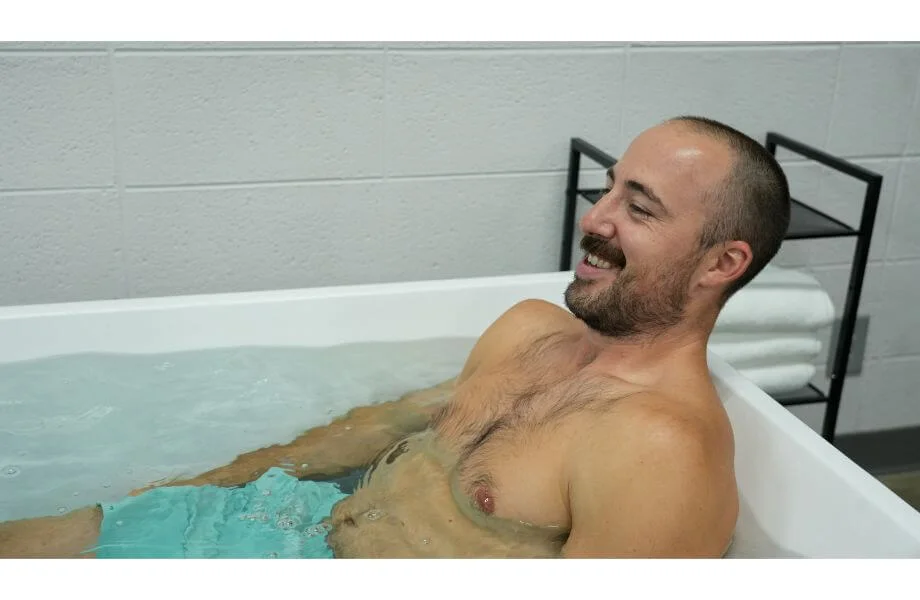
You’ve probably noticed the buzz around cold water exposure—it seems like everyone from fitness influencers to your next-door neighbor is dunking themselves into ice baths or finding some way to add this frigid form of hydrotherapy to their recovery routine. After all, social media feeds are flooded (pun intended) with people touting the benefits of cold plunges for recovery, mental clarity, and overall well-being.
We’ve dipped our toes into the cold water therapy trend with our in-depth guide to the best cold plunge tubs, exploring what makes these setups (among others) so popular among recovery enthusiasts and athletes alike.
While ice bath benefits might be a hot topic for water cooler chats, is it something that really stands up to science? And do the rewards outweigh the discomfort of being downright cold? In this guide, we’ll take a closer look at what research actually says about cold water therapy, what potential benefits (and drawbacks) you can expect, and whether the results justify braving that icy plunge.
Medical disclaimer: This article is intended for educational and informational purposes only. It is not intended as a substitute for medical advice. For health advice, contact a licensed healthcare provider.
Health Benefits of Ice Baths
When you voluntarily expose your entire body to an ice bath, your body has a natural response system to keep your core temperature regulated. In the sections below we cover what happens when you’re exposed to cold temperatures and cold bath benefits.
What Happens During Cold Water Immersion?
In a 2022 review published by the International Journal of Circumpolar Health1, researchers cover the four main physiological adaptations that occur when you’re voluntarily exposed to cold water.
Firstly, researchers point out that your body starts the process of thermoregulation, which basically means that, while exposed to cold temperatures, your body adjusts to the environment and maintains the appropriate temperature in your organs and brain. While trying to regulate heat to important parts, your body responds by constricting blood flow to the skin and dilating blood vessels that serve your vital organs.
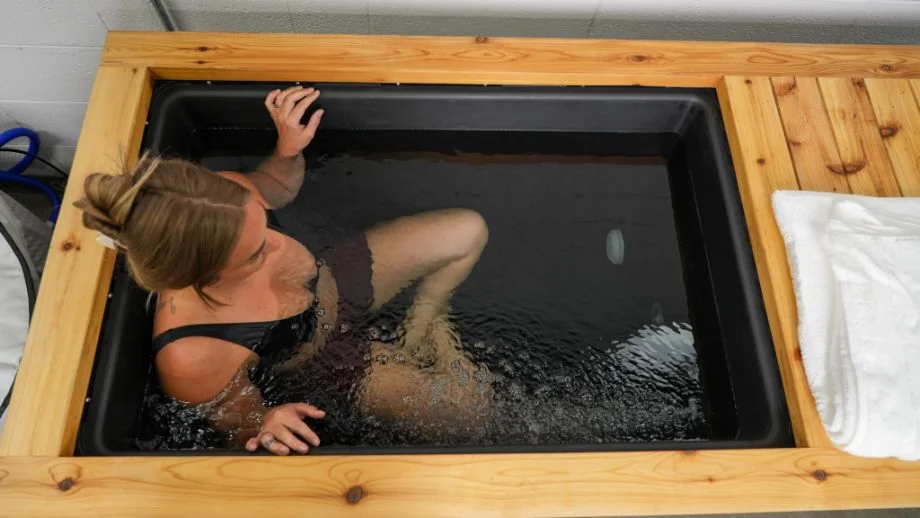
Next, when your body temperature lowers and can’t regulate the natural blood flow responses, the body responds with shivering as a way to increase your body’s core temperature. The act of shivering thermogenesis allows your body to generate extra heat.
There is also a response called non-shivering thermogenesis. The review1 sheds light on how the response to cold stress increases blood flow to brown adipose tissue (BAT), which indicates a physiological response of heat generation rather than the insulative blood flow reduction related to white adipose tissue. All this to say, it could be related to reducing brown fat tissues and reducing overall body fat—but we’ll get more into that later.
RELATED: How to Lose Body Fat
Lastly, cold shock response is possible when your core temperature drops too low. Cold shock can lead to rapid heart rate, gasping, uncontrollable hyperventilation, and hypertension. While cold exposure is subjective to what each person can tolerate, it’s worth noting that cold shock is possible with extended exposure or ultra cold water temperatures.
Now that we’ve established the groundwork for what happens to your body during cold water exposure, let’s dive into the health benefits associated with a nice cold plunge. We do note, though, that there is still much more to be discovered when it comes to the body’s response to ice baths. For now, researchers acknowledge there are a lot of unknowns.
Potential to Reduce Pain and Inflammation
Using a cold compress or pack of frozen peas to reduce pain from a fall or injury is common practice. While icing can help reduce inflammation and pain when it comes to acute injuries, what about using that approach for the entire body?
Well, in one 2010 randomized control trial published by Physical Therapy2, researchers found that cold water immersion reduced sensory nerve conduction velocity—and did so more than ice massages or localized ice packs. In other words, being submerged in chilly ice bath temperatures helped reduce nerve sensations and perceived pain.
RELATED: Cold Plunge Vs Ice Bath
Additionally, a report published by the Journal of Pain3 found that cold baths paired with hyperventilatory breathing exercises and meditation (aka the Wim Hof method, which we’ll dive into a bit later) reduced the feeling of pain from an electrical stimulus.
Potential to Aid Muscle Recovery and Sore Muscles
Although high-level and professional athletes might partake in cryotherapy and cold immersion techniques, is there enough evidence to support you investing in an at-home ice bath setup?
If the potential benefits of a post-training plunge have you itching to hit the (cold) showers, let it be known there is evidence to support the fact folks have the perception of less muscle soreness. However, the research doesn’t provide a whole lot of evidence that muscle recovery actually improves from cold water after intense workouts.
RELATED: Best Muscle Recovery Tools
In a randomized control trial published by the European Journal of Applied Physiology4, researchers found limited evidence that cold water immersion therapy works for reducing muscle soreness after intense training. However, they did find that there were beneficial effects on the perceptions of pain, soreness, and recovery in test subjects.
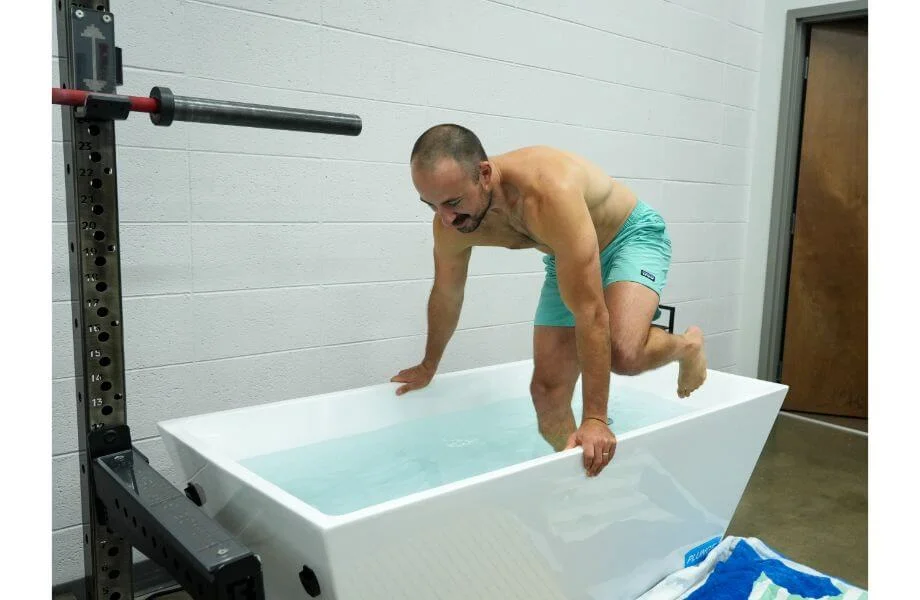
Additionally, one systematic review published in the Frontiers in Physiology5 found that massage is referred to as the most effective method to reduce inflammation from delayed onset muscle soreness (DOMS). However, it’s also noted that cold water immersion was another powerful tool to reduce soreness and the perception of muscle soreness.
RELATED: Cold Plunge Before or After Workout?
That said, a review from Sports Medicine 6 found that cold water immersion was more helpful for reducing muscle soreness after high-intensity exercise and not as effective with eccentric-style strength training.
Dr. Michael Masi, DPT, SCS, CSCS, CISSN, USAW-1, and GGR expert panelist adds that ice baths aren’t the solution for everyone. “In reality, inflammation is a natural response to working out,” says Masi. “This natural response can aid muscle growth and increased muscle mass.”
Masi suggests, however, there may be more ice bath benefits for athletes, especially for those with back-to-back training, races, or games where quick recovery and reduced soreness are necessities.
RELATED: Working Out When Sore
Potential Weight Loss Ice Bath Benefits
As mentioned earlier, the body can respond to cold exposure with non-shivering thermogenesis, which stimulates blood flow to BAT (aka brown adipose tissue).
One 2019 study published by Biology (Basel)7 found that cold exposure can increase energy activity and overall expenditure in BAT. The study also reveals that cold exposure can help regulate glucose levels, insulin sensitivity, and lipid metabolism—all of which are related to weight loss, or the ability to maintain a healthy weight.
RELATED: Best Weight Loss Programs
Potential to Provide Immune System Support
If this is your first time hearing of the Wim Hof Method, it it all started with a Dutch guy named Wim Hof (aka The Iceman) who became popular for withstanding extreme temperatures and hiking up snowy mountains wearing nothing but shorts while using a blend of meditation techniques and hyperventilation breathing exercises to regulate his body temperature.
Since the initial hype, The Iceman has gone on to participate in research and introduce others to his system of slowly introducing the body to cold temperatures (essentially taking cold showers and working your way to whole-body immersion).
Among the different paths that have been studied in relation to the Wim Hof Method, a 2014 study published by the Proceedings of the National Academy of Sciences8 found that the combination of cold exposure, breathing exercises, and meditation can activate the sympathetic nervous system and can provide an epinephrine (aka adrenaline) release that suppresses your body’s natural immune response to fight infections.
While it’s hard to say ice-cold water alone will provide the same immunity boost, the Wim Hof Method certainly seems to have a winning combination of cold temperatures, breathwork, and mental focus. GGR chief medical advisor Dr. Raj Dasgupta, MD, FACP, FCCP, FAASM, also suggests there may be a positive correlation between ice baths and immune health.
“Cold water exposure can increase the production of white blood cells in the body, which are responsible for fighting infection,” he explains.
RELATED: Polar Monkeys Cold Plunge Review
Potential for Mental Health Benefits and Stress Management
While folks claim the mental toughness of getting into cold water is what can increase your mental health and tackle the woes of the day, a clinical trial from the European Journal of Applied Physiology9 found that cold water therapy changes how we feel because it increases the activity of the sympathetic nervous system. Not only that, this trial also found that it increased heart rate and systolic and diastolic blood pressure, too.
“Some believe that an ice water face immersion can activate the parasympathetic nervous system, which prompts the body to relax after a stressful event,” explains Dr. Raj Dasgupta. “Some researchers also hypothesize that adapting to the shock of an ice water plunge may improve a person’s ability to cope with other stresses.”
RELATED: Exercise and Mental Health
Additionally, another trial published by the Biological Research for Nursing10 found that stress, anxiety, and depression reduced after two weeks of regular cold immersions, and test subjects reported a decrease in depression by the fourth week.
How to Make an Ice Bath
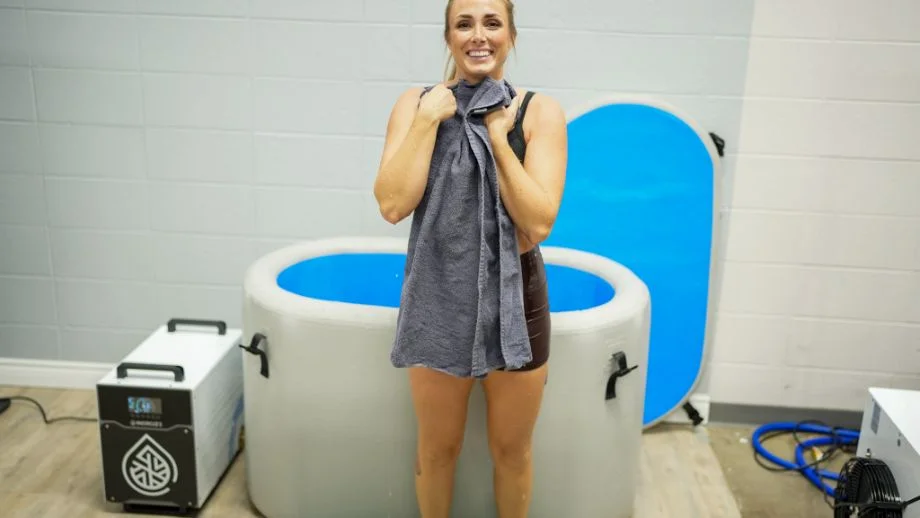
Are you pumped about the potential ice bath benefits and ready to take the plunge? Well, you have a few options. While you can dip into the nearest body of cold water, you won’t be able to control the air temperature or water temperature. For a more controlled (and potentially more comfortable) experience, check out our how to cold plunge guide for step-by-step instructions.
You’ll be able to use our guidelines with a bathtub filled with cold water, a DIY cold plunge, or in one of the best cold plunge tubs on the market. For a quick-and-easy solution, here’s a simple way to make an ice bath at home:
- Fill your tub or container with cold water: Use enough water to cover most of your body when sitting.
- Add ice gradually: Start with a few bags of ice and stir until the temperature reaches about 50 to 59 degrees Fahrenheit.
- Ease in slowly: Sit down carefully and give your body time to adjust. Start with two to five minutes if you’re new to cold plunging, and increase as you get comfortable.
- Warm up afterward: Dry off and move around to bring your core temperature back up safely. You could also follow up with a sauna session so you can enjoy the benefits of contrast therapy—a treatment that involves alternating between hot and cold temperatures.
What to Expect After You Cold Plunge
Once you’ve completed your plunge, expect to feel a mix of sensations: tingling skin, mild shivering (perhaps more if you’re not used to frigid temperatures), and heightened alertness from the adrenaline rush. As your body begins to warm back up, your heart rate may stay slightly elevated, and your muscles might feel tighter before gradually relaxing.
“It can be a bit uncomfortable at first, especially if you’re not used to exposing yourself to such cold water,” says GGR Senior Staff Writer Stephen Sheehan, CPT, CNC. “My skin was tingling like crazy when I got out of the tub, but that sensation disappeared within a few minutes.”
To return to “normal,” wrap yourself in a towel or robe, move around, sip on some tea or coffee, and let your body temperature rise naturally. It should take about 10 to 15 minutes for your circulation to stabilize, leaving you feeling refreshed.
How Long to See Benefits From Cold Plunging
Many people can notice immediate benefits from cold plunging, such as improved mood and increased alertness. Long-term benefits, such as improved blood circulation, better muscle recovery, and increased mental resilience, typically develop with consistent practice.
Think of cold plunging as a valuable component of a comprehensive recovery routine—not a one-time fix that’ll make muscle soreness disappear and unlock a new level of gains. Regular exposure can help your body adapt to stress, improve inflammation control, and support better overall recovery between workouts.
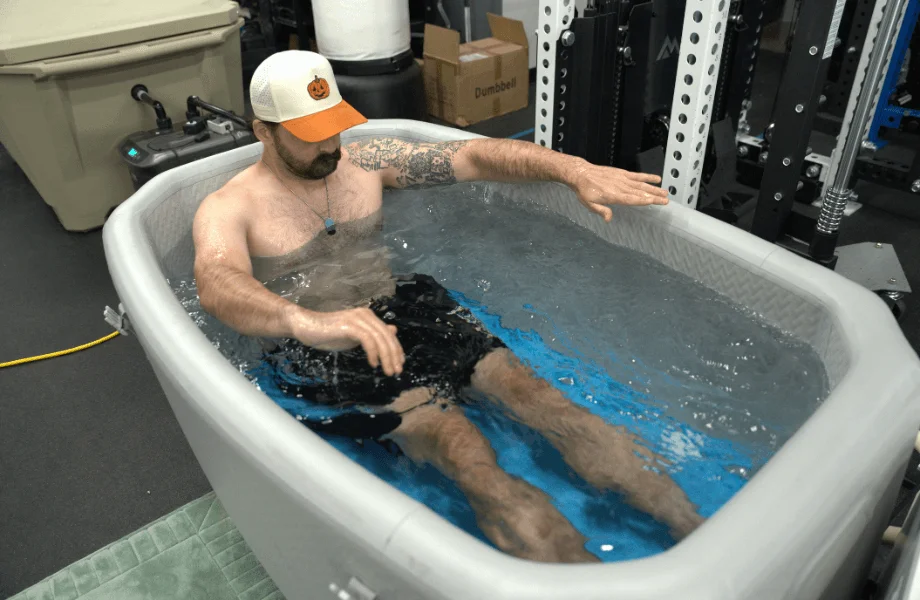
Ice Bath Risks
While ice baths can be safe and effective when done properly, there are also some inherent risks to consider. Be aware of these potential pitfalls before taking the plunge:
- Cold shock response: Sudden immersion in cold water can cause gasping, rapid breathing, or dizziness, especially if it’s your first time.
- Hypothermia: Staying in too long or using water that’s too cold can lower your body temperature to a dangerous level, as hypothermia sets in once your core temperature drops below 95 degrees Fahrenheit.
- Nerve or skin damage: Prolonged exposure to extreme cold can irritate your nerves and/or skin.
- Cardiovascular strain: Cold water immersion can raise your blood pressure and heart rate, putting you at risk if you have any type of pre-existing cardiovascular condition.
GGR expert contributor Dr. Chris Mohr, PhD, RD, recommends limiting your bath time to 10 to 15 minutes, starting with shorter sessions to build your tolerance. He also has an important safety tip everyone should follow.
“To avoid problems like hypothermia, make sure somebody else is home just in case issues arise,” says Dr. Mohr. “After the bath, let your body warm up gradually to avoid too much stress.”
RELATED: Ice Bath Vs Cold Shower
Who Should Avoid Ice Baths
While some people swear by ice baths, others should avoid them entirely. If any of the following apply, check with a healthcare professional before exploring this popular recovery modality:
- Those with heart or blood pressure conditions
- People with circulation disorders (like Raynaud’s disease)
- Anyone who is pregnant
- Individuals with nerve damage or reduced sensation
- Those who are ill, feverish, or recovering from surgery
The last thing you want to do is put your health and safety at risk. So, exercise caution and do your due diligence before you dip a toe in the water.
Ice Bath Benefits: Final Thoughts
Cold therapy can come in the form of ice packs, cryotherapy, ice-cold water, and even cold showers. While some folks claim ice baths are the best active recovery after intense workouts, research indicates it’s more likely to reduce the feeling and your perception of pain and soreness.
That said, the benefits of ice baths are still plenty. You can use cold therapy to reduce stress and pain and can also combine ice baths with breathwork and meditation to help support your immune system.
Ice Bath Benefits FAQs
Are ice baths good for you?
While more definitive evidence is needed for muscle recovery and muscle soreness, there are several other health benefits gained from ice baths, including better mental health9, reduced pain and inflammation2, and the potential for immune system support8 combined with breathwork and meditation.
How long should you ice bath for?
The amount of time spent in an ice bath will be subjective, and more than likely, you’ll be able to endure more time submerged in ice-cold water with practice. Start with just a few minutes at a time to avoid cold shock. Most studies we read had subjects in cold water for less than 20 minutes.
What are the disadvantages of ice baths?
The biggest disadvantage of an ice bath is the potential for cold shock. Plus, if you’re outdoors and submerging in cold water, the risks of hypothermia and frostbite can increase. Additionally, folks with cardiovascular disease should consult a doctor before trying an ice bath for the first time, due to the short-term changes in blood flow when you expose yourself to cold water.
How cold should an ice bath be?
An ice bath should typically be between 50 to 59 degrees Fahrenheit for optimal recovery benefits. The best cold plunge tubs allow you to set the temperature even lower, with some models capable of reaching the high 30s for a more intense experience.
When is the best time to take an ice bath after workouts?
The best time to take an ice bath is within 30 minutes after your workout to help reduce muscle soreness and inflammation.
These statements have not been evaluated by the Food and Drug Administration. This product is not intended to diagnose, treat, cure, or prevent any diseases.
References
- Esperland D, de Weerd L, Mercer JB. Health effects of voluntary exposure to cold water – a continuing subject of debate. Int J Circumpolar Health. 2022;81(1):2111789. doi:10.1080/22423982.2022.2111789
- Herrera, E., et al. (2010). Motor and sensory nerve conduction are affected differently by ice pack, ice massage, and cold water immersion. Physical Therapy.
- Zwaag J, Timmerman H, Pickkers P, Kox M. Modulation of Pain Sensitivity by a Hyperventilatory Breathing Exercise and Cold Exposure Training. J Pain Res. 2023;16:1979-1991. doi.org/10.2147/JPR.S400408
- Stanley J, Buchheit M, Peake JM. The effect of post-exercise hydrotherapy on subsequent exercise performance and heart rate variability. Eur J Appl Physiol. 2012;112(3):951-961. doi:10.1007/s00421-011-2052-7
- Dupuy O, Douzi W, Theurot D, Bosquet L, Dugué B. An Evidence-Based Approach for Choosing Post-exercise Recovery Techniques to Reduce Markers of Muscle Damage, Soreness, Fatigue, and Inflammation: A Systematic Review With Meta-Analysis. Front Physiol. 2018;9:403. Published 2018 Apr 26. doi:10.3389/fphys.2018.00403
- Moore, E., Fuller, J.T., Buckley, J.D. et al. Impact of Cold-Water Immersion Compared with Passive Recovery Following a Single Bout of Strenuous Exercise on Athletic Performance in Physically Active Participants: A Systematic Review with Meta-analysis and Meta-regression. Sports Med 52, 1667–1688 (2022).
- Peres Valgas da Silva C, Hernández-Saavedra D, White JD, Stanford KI. Cold and Exercise: Therapeutic Tools to Activate Brown Adipose Tissue and Combat Obesity. Biology (Basel). 2019;8(1):9. Published 2019 Feb 12. doi:10.3390/biology8010009
- Kox M, van Eijk LT, Zwaag J, et al. Voluntary activation of the sympathetic nervous system and attenuation of the innate immune response in humans. Proc Natl Acad Sci U S A. 2014;111(20):7379-7384. doi:10.1073/pnas.1322174111
- Srámek P, Simecková M, Janský L, Savlíková J, Vybíral S. Human physiological responses to immersion into water of different temperatures. Eur J Appl Physiol. 2000;81(5):436-442. doi:10.1007/s004210050065
- Kurniasari MD, Monsen KA, Weng SF, Yang CY, Tsai HT. Cold Water Immersion Directly and Mediated by Alleviated Pain to Promote Quality of Life in Indonesian with Gout Arthritis: A Community-based Randomized Controlled Trial. Biol Res Nurs. 2022;24(2):245-258. doi:10.1177/10998004211063547