




Losing weight is hard, and there are no shortcuts to ongoing weight management. It takes long-term commitment, dedication, and sustained lifestyle changes, like following a healthy diet and exercising regularly.
Even the best protein shakes aren’t magic drinks that promote weight loss without other efforts, but they can certainly help you meet your protein needs, contribute other macro and micronutrients to your diet, and keep you full in between meals—all things that can collectively help you meet your body composition goals.
RELATED: Best Time to Drink a Protein Shake for Weight Loss
To find the best protein shakes for weight loss, our GGR team—which includes certified personal trainers, certified nutrition coaches, and dietitians—tested two dozen pre-made options and more than 150 different protein powders, and we’ve narrowed down our list to the top five.
Editor’s Note and Medical Disclaimer: This article is intended for educational and informational purposes only. It is not intended as a substitute for medical advice. Weight loss programs are not recommended for people with a history of disordered eating. For health advice, contact a licensed healthcare provider. If you need help with disordered eating, contact NEDA.
GGR Gold Pick — Best Protein Shake for Weight Loss
1st Phorm’s Phorm Protein Shakes earn 4.2 out of 5 stars and the title of best protein shakes for weight loss overall. Our tester awarded this ready-to-drink option an impressive 4.5 out of 5 for its formulation, which delivers 30 grams of protein, 7 grams of net carbs, and 4.5 grams of fat for 190 calories. This shake also has a smooth texture that we thoroughly enjoyed.
Best Protein Shakes for Weight Loss
- Best Protein Shake for Weight Loss Overall – 1st Phorm Phorm Protein Shakes
- Best Protein Powder for Weight Loss – Transparent Labs Whey Protein Isolate
- Best Meal Replacement Shake for Weight Loss – Huel Complete Black
- Best Organic Protein Shake for Weight Loss – Orgain Organic Grass-Fed Protein Shake
- Best Protein Shake for Weight Loss and Muscle Gain – Jocko Molk Protein Shake
How We Selected the Best Protein Shakes for Weight Loss
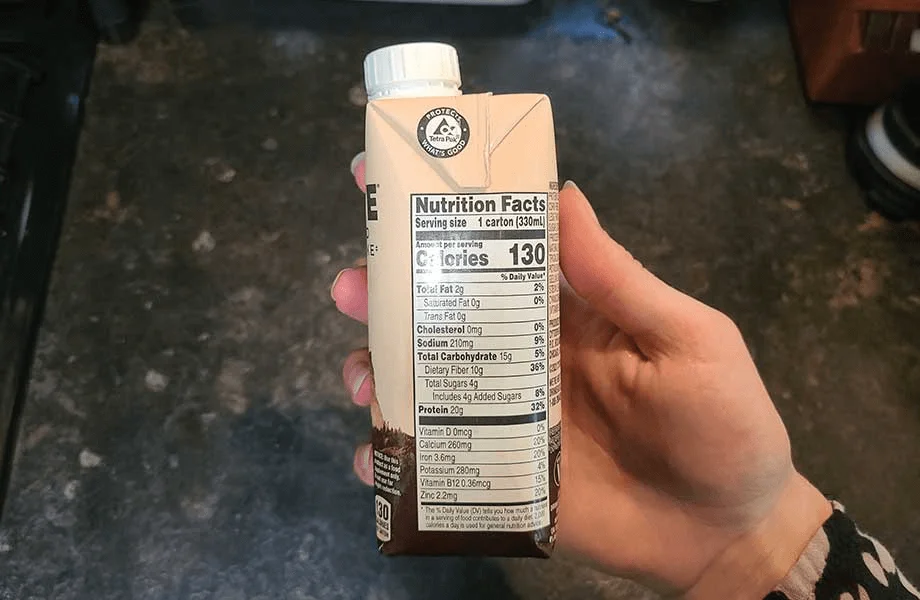
This category is based on the macronutrient content, as well as any added sugars, artificial sweeteners, or other ingredients worth pointing out. For a 3 out of 5, we want to see at least 18 grams of protein per serving with few to no artificial ingredients.
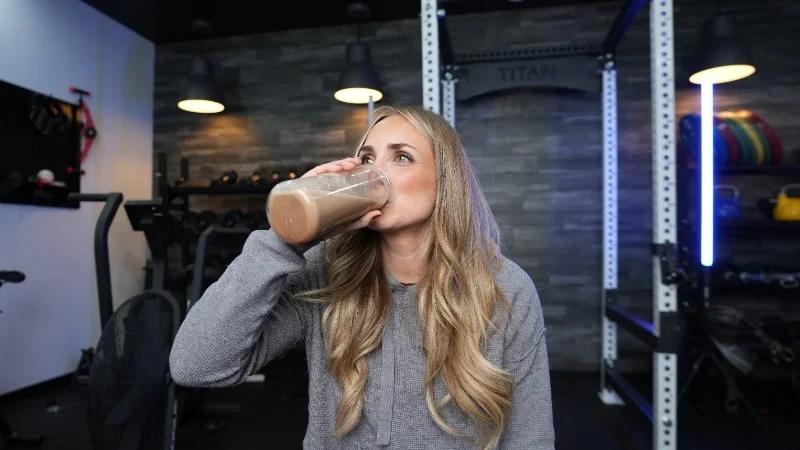
Taste is very subjective, but it’s an important consideration when choosing a worthwhile protein shake. We asked our testers to give 3-out-of-5-star ratings to shakes and protein powders that tasted fine, but they may not have been the best we’ve ever tried.
Since many shakes contain dairy and various types of plant-based protein, we want to know if the makeup causes any side effects, particularly digestive discomfort. We specifically note any signs of bloating, strange aftertastes, or other unpleasant effects. For a 3 out of 5, there may be minor digestive side effects, but nothing too unpleasant.
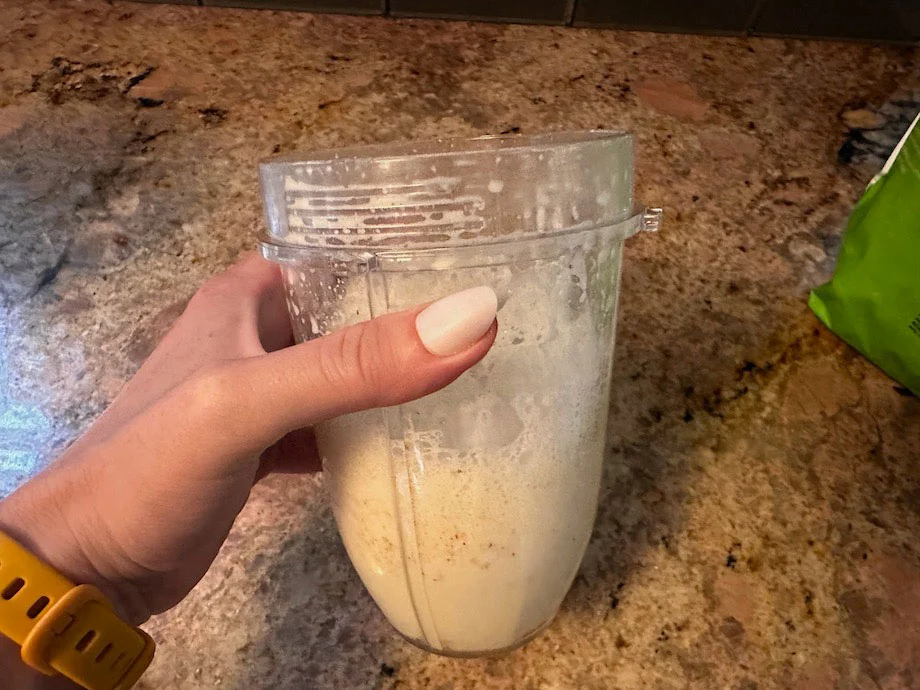
Before scoring any product, we try the shake a few times, and then rate it using our supplement testing methodology. This helps us assign a score of 1 to 5 for the most important categories, like price per serving, solubility, third-party testing, and more.
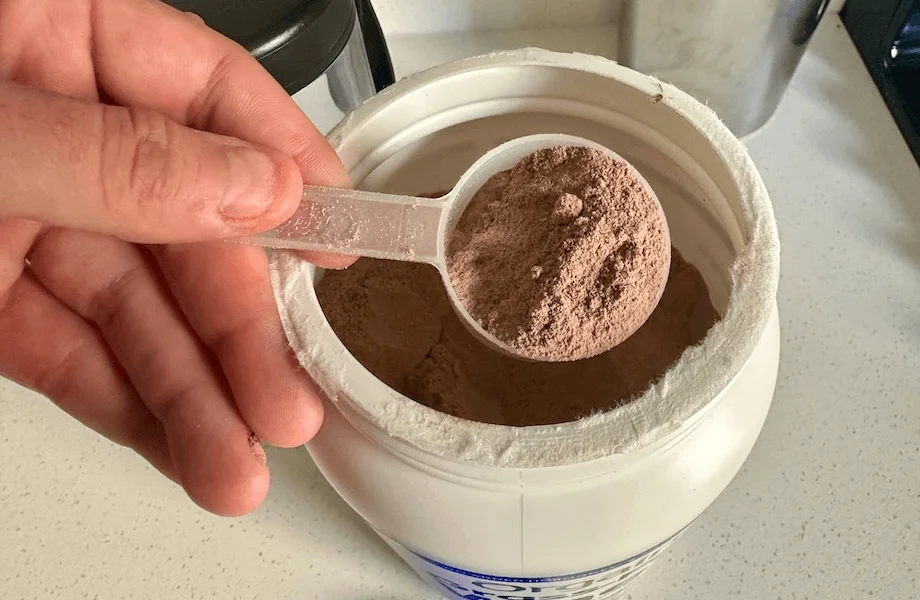
Our team of expert testers included certified nutrition coaches, registered dietitians, personal trainers, gym owners, and more. In addition to our own testing and research, we also consulted with our expert panelist and registered dietitian Chris Mohr, Ph.D., to get his input on the best protein shakes for weight loss.

Latest Updates
In September 2026, we reviewed our list of the best protein shakes for weight loss and made a few changes based on our latest testing. Phorm Protein Shakes from 1st Phorm now earn our top recommendation thanks to their impressive formula, enjoyable flavor profiles, and ultra-smooth texture.
Best Protein Shake for Weight Loss Overall: 1st Phorm Phorm Protein Shakes
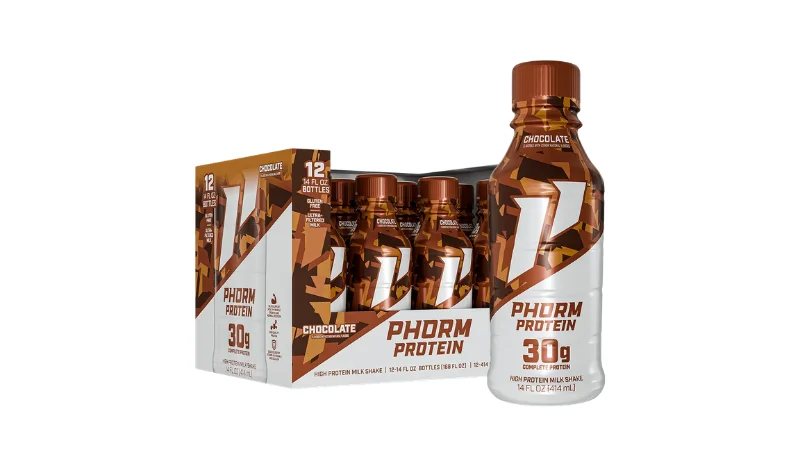








1st Phorm Protein Shakes are a convenient, high-protein, ready-to-drink option that delivers impressive macros with minimal sugar. It’s a strong pick for anyone who wants a great-tasting protein boost, though the use of sucralose and a lack of third-party testing may be drawbacks for some shoppers.
If you’re looking for a well-formulated, ready-to-drink protein shake that tastes delicious while delivering a hefty serving of protein, Phorm Protein Shakes from 1st Phorm are an excellent choice. These bottled drinks offer a convenient, ready-to-drink option to boost your daily protein intake, earning them our top spot when it comes to protein shakes for weight loss.
With an excellent macronutrient profile that should work well for nearly any fitness goal, we give Phorm Protein Shakes 4.5 out of 5 stars for their formulation.
Formulation: 4.5/5
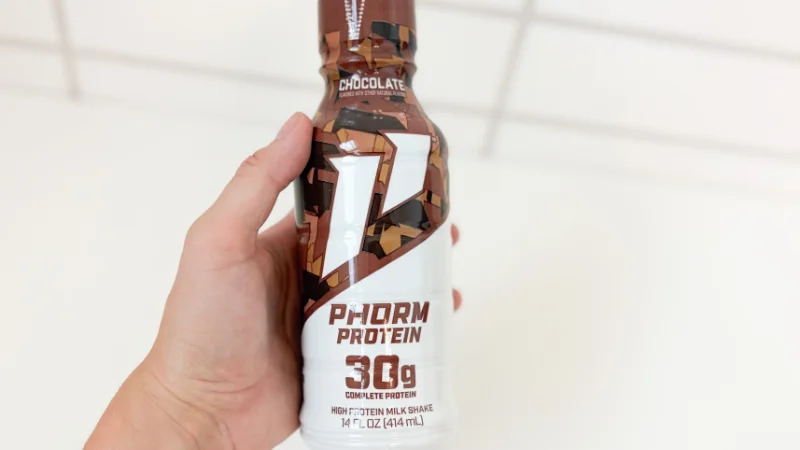
Taste: 4/5
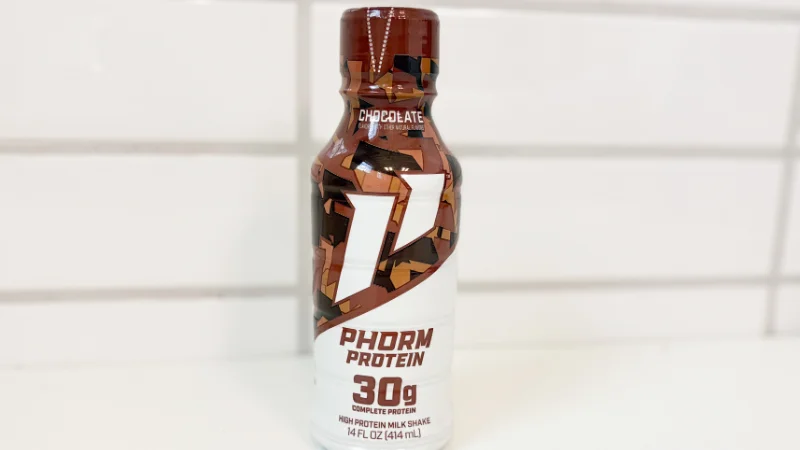
Texture: 5/5
Why We Like Phorm Protein Shakes
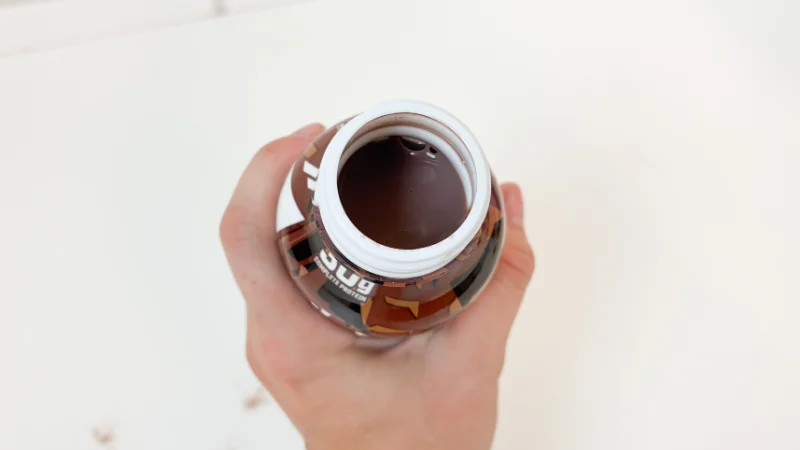
Standout qualities for these protein shakes include the taste and texture; both, of which, our tester rated at a perfect 5 out of 5. “Sometimes, these pre-mixed drinks can still taste a bit grainy, or not as smooth,” our tester said, “But I felt like I was drinking chocolate milk! I had no build-up in my mouth, or felt like there was still powder in the drink.”
Regarding taste, our tester said she was surprised with how much she liked the 1st Phorm protein shakes, despite there only being two flavor options. “Chocolate flavors can sometimes taste so artificial,” she said, “But this reminded me more of chocolate milk than a protein drink.”
In addition to the 30 grams of protein per serving, Phorm Protein Shakes also contain 7 grams of net carbs and 4.5 grams of fat. We like the extra macronutrient content in this formula, and it makes these shakes a versatile option for a variety of fitness goals, including weight loss, muscle gain, or others.
I really liked this drink! It was light on my stomach, and I think it’s something I would want to add to my daily routine!
GGR In-House Tester
What We Didn’t Like About Phorm Protein Shakes
As we said before, we give these protein shakes a 4.5 out of 5 for formulation. However, we docked a half-point here due to the 190 calories per serving. 190 calories is about 30 to 40 calories higher than other ready-to-drink shakes we’ve tested, which may not be a deal-breaker, but could seem a bit high if you’re on a strict calorie budget each day.
We also feel compelled to call out the lack of third-party testing for these shakes. Since we tried them ourselves, we know we like them, but competitive athletes or others who are extremely conscious of banned substances may need to consider other options.
For a lower-calorie option that’s also third-party tested, we highly recommend Transparent Labs Whey Protein Isolate. You’ll have to mix it yourself, but this powder delivers comparable protein content (28 grams). Plus, it has two third-party certifications and only costs you 130 calories per serving.
Testing Breakdown
1st Phorm’s Phorm Protein Shakes received high scores in most testing categories, which is why they’re our pick for the best protein shakes for weight loss. Here’s how they performed in all of our tests:
1st Phorm Phorm Protein Shake Specs
| Price per serving | $3.75 |
| Calories per serving | 190 |
| Protein per serving | 30 g |
| Fat per serving | 4.5 g |
| Carbs per serving | 7 g |
| Number of flavors | 2 |
| Third-party tested? | No |
Best Protein Powder for Weight Loss: Transparent Labs Whey Protein Isolate
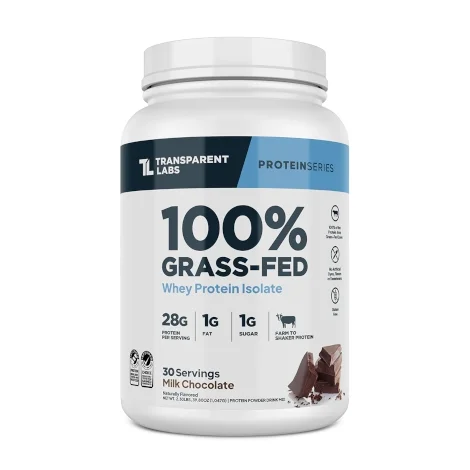






Our testers love Transparent Labs 100% Grass-Fed Whey Protein Isolate because we know exactly what’s in it, and almost every flavor we’ve tried is a 5 out of 5 on taste. Yes, it’s a little more expensive than other protein powders but you get what you pay for.
If pre-made shakes aren’t your thing, keeping one of the best protein powders on hand is an excellent way to scoop the exact amount of protein you need, whenever you need it. There are dozens, if not hundreds of options to consider, and in our opinion, Transparent Labs Whey Protein Isolate is the best option on the market.
Even though it’s not cheap, it’s one of the highest-quality protein powders we’ve trialed with excellent ingredients and third-party testing. As such, we give it 5 out of 5 stars for its formulation.
Formulation: 5/5
Taste: 5/5
Solubility: 5/5
Why We Like Transparent Labs Whey Protein Isolate
When it comes to weight loss, most people will be looking for a shake or powder that provides enough protein to help meet their daily goals,without too many extra calories. That’s where the formulation matters, and Transparent Labs truly shines.
Each scoop contains 28 grams of protein, with no more than 3 grams of fat and 2 grams of carbohydrates, depending on the flavor. Not to mention, it’s free of artificial sweeteners and colors, which is why we love the makeup.
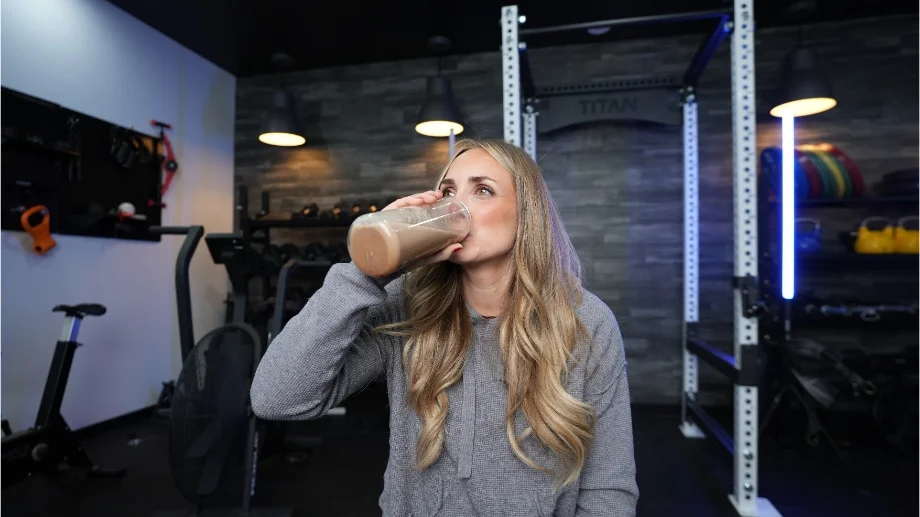
Thankfully, it tastes good, too, according to Anthony O’Reilly, CPT, CNC. He tried the seasonal Peppermint Hot Chocolate flavor and gave it 5 out of 5 stars for the taste, adding, “Peppermint Hot Chocolate: It’s exactly that—all you need is some whipped cream and marshmallows to complete the scene.”
We also gave this protein powder 5 out of 5 for third-party testing. It’s tested by Informed Sport for banned substances and label accuracy, so you can trust that you’re getting exactly what’s on the label. Transparent Labs also provides certificates of analysis for its products, so you can see the latest testing results when you visit the product page.
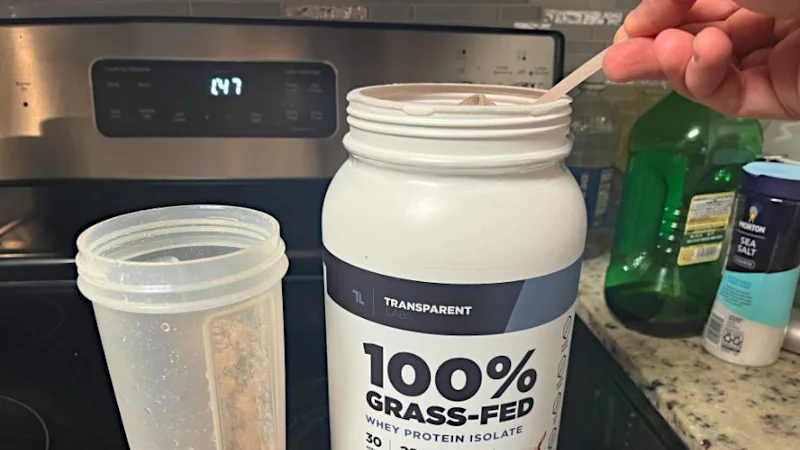
The powder easily mixes into the liquid of your choice and leaves behind no clumps—this is one of the smoothest protein powders I’ve ever had.
Anthony O’Reilly, CPT, CNC
What We Didn’t Like About Transparent Labs Whey Protein Isolate
Our biggest callout here is the cost. Transparent Labs uses high-quality ingredients, which drives the price up. The most affordable option is a 4-pound tub using the subscribe-and-save option, which costs $89.99 for 55 servings, or $1.64 per scoop.
If you’re going with the smaller 2-pound tub to see how you like it, subscribe-and-save brings the cost down to $1.79 per serving. Because of this, we only give it 2 out of 5 stars for the price per serving; it’s certainly one of the more expensive proteins on the market.
If you prefer a ready-to-drink shake instead of a powder, you can’t go wrong with a Phorm Protein Shake.
Testing Breakdown
It’s expensive, but this high-quality whey isolate earned near-perfect scores in every other testing category, which is why we think it’s one of the best powders available today.
Transparent Labs Whey Protein Isolate Specs
| Price per serving | $1.64-$1.99 (subscribe-and-save available) |
| Calories per serving | 120-150, depending on the flavor |
| Protein per serving | 28 g |
| Fat per serving | 0-3 g (varies by flavor) |
| Carbs per serving | 0-2 g (varies by flavor) |
| Number of flavors | 22 |
| Third-party tested? | Yes |
To learn more, be sure to read our complete Transparent Labs Whey Protein Isolate review.
Best Meal Replacement Shake for Weight Loss: Huel Complete Black
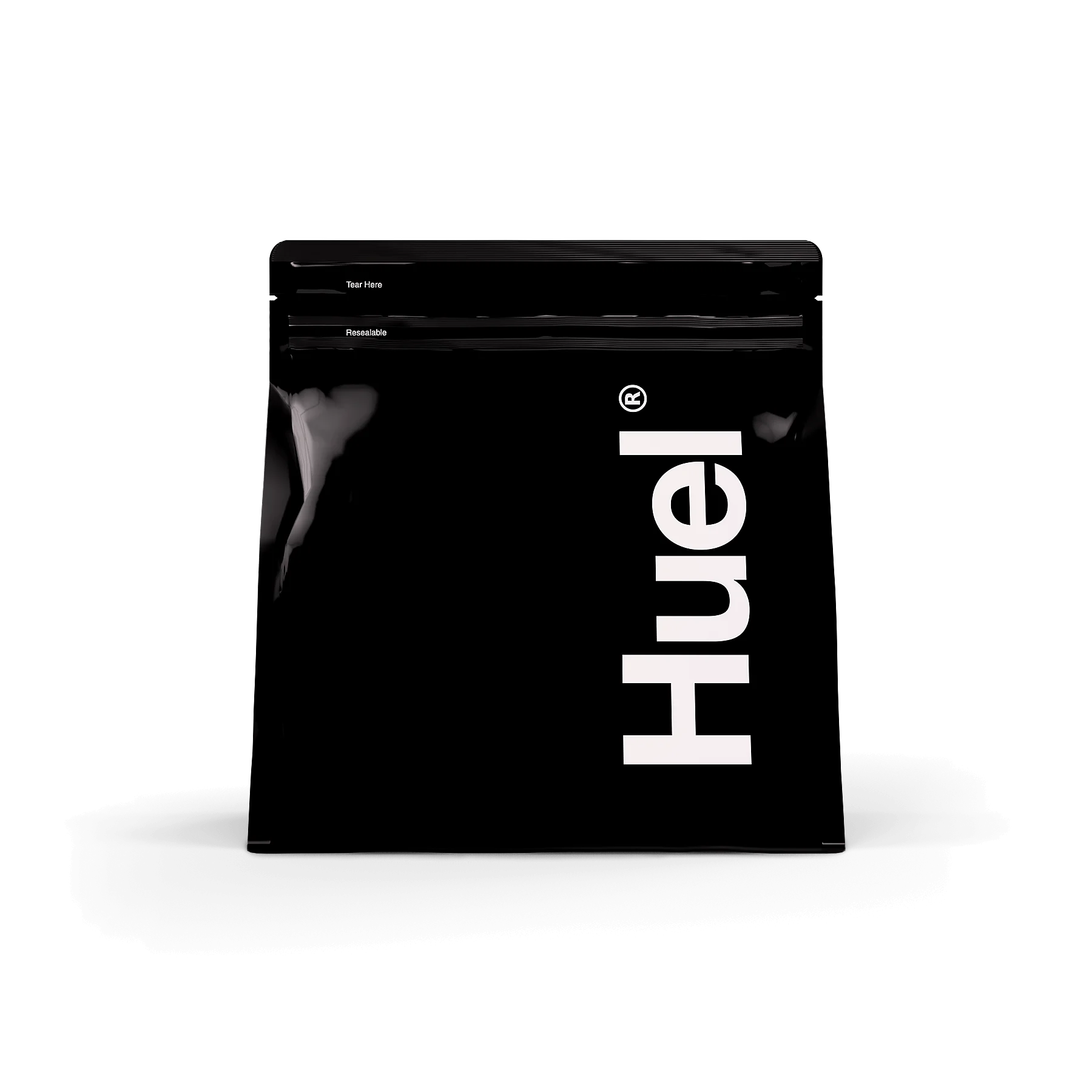

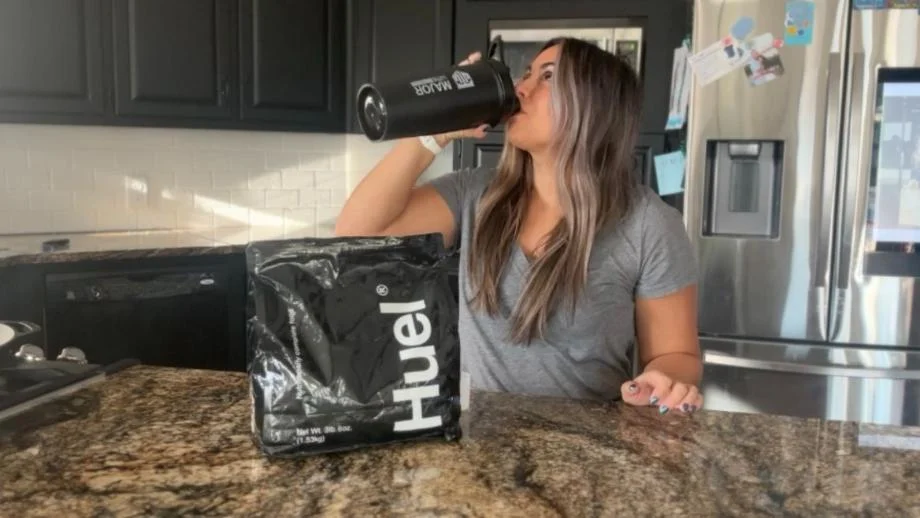
Huel ready-to-drink is a great macro-balanced option for those who need a meal replacement on the go. Slow-release carbs keep you full and vitamins and minerals give you everything you need.
What our tester says:
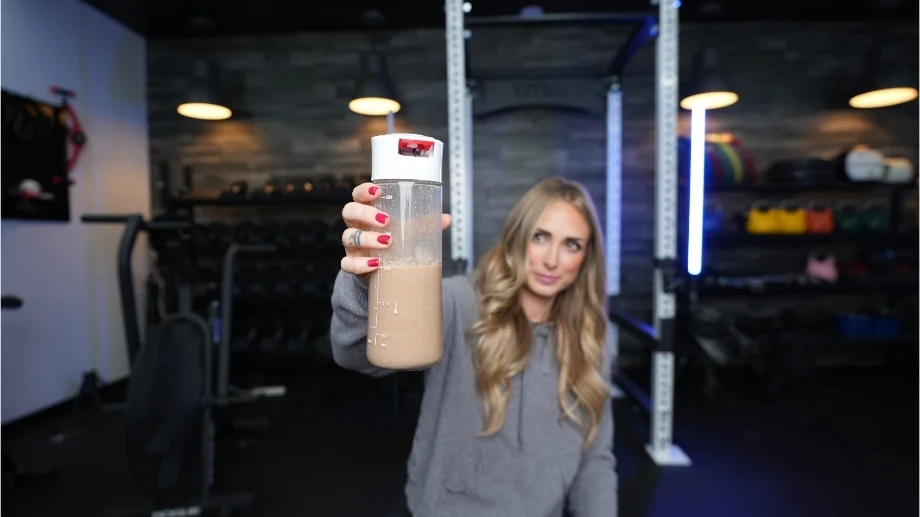
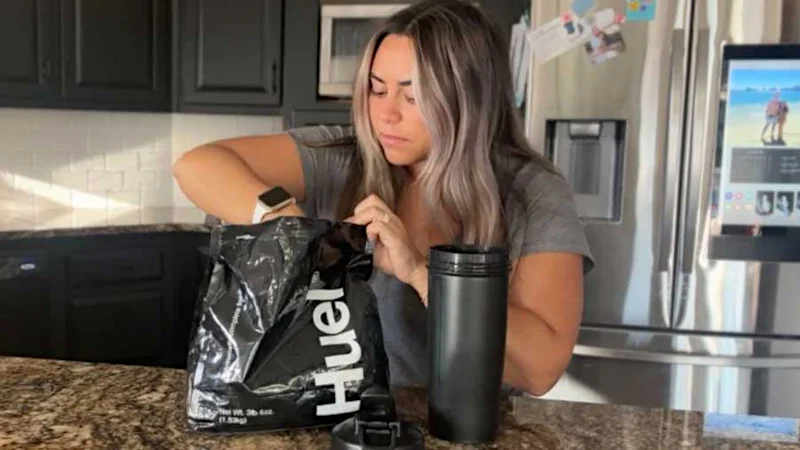
“These have seriously become a lifesaver for me in terms of getting in all my calories during Ironman training, especially before early morning workouts when I just don’t want to eat yet.”
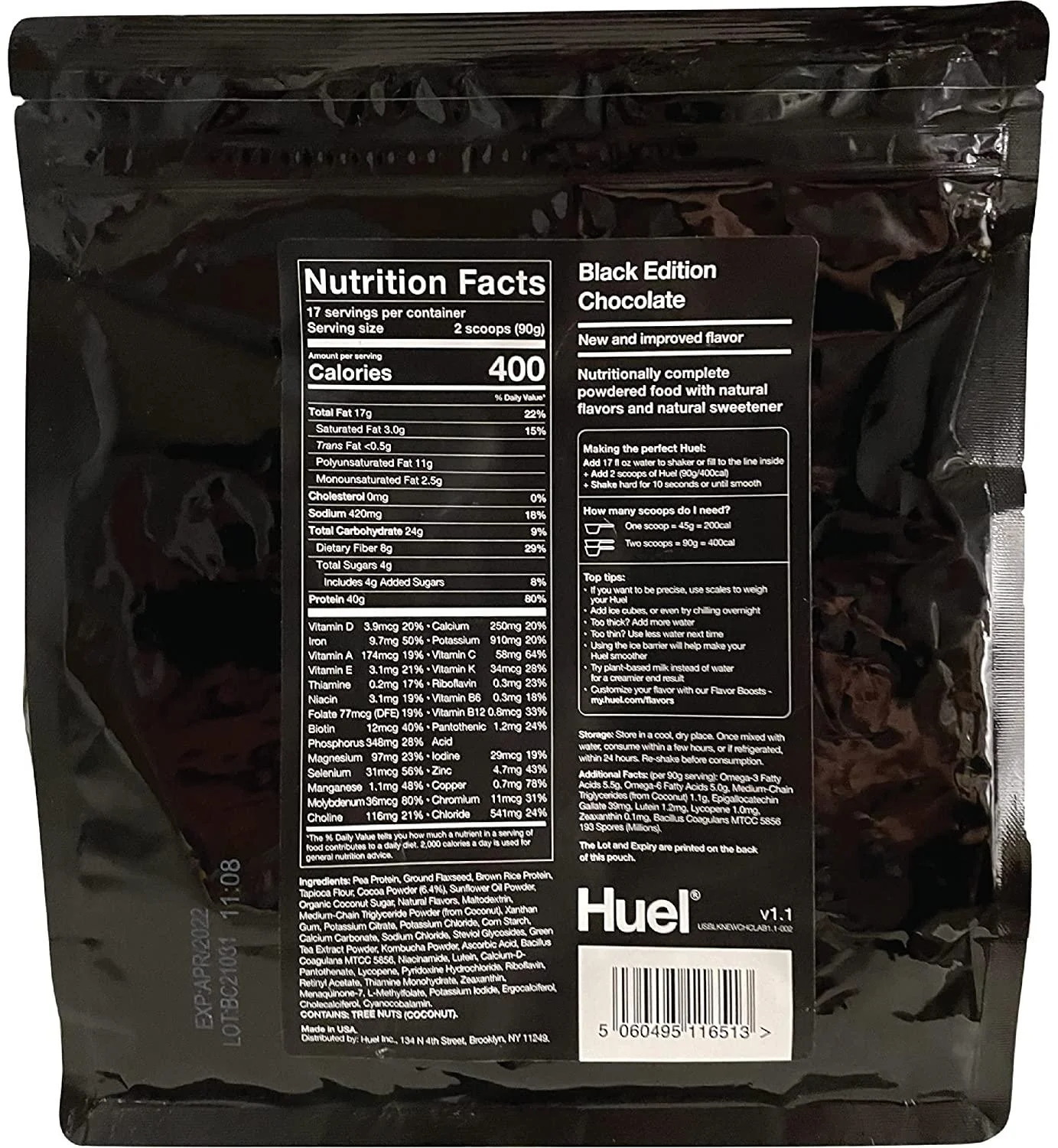
Huel Complete Black is a true meal replacement shake, meaning it’s designed to provide the adequate nutritional value of a regular meal. One serving contains 400 calories, but Brittany Combs—former GGR team member and tester of this product—stresses that the point is to replace a full meal, so this is a good thing for that purpose. And they’re very filling.
“They really did their research to include all the micronutrients one would need for a complete meal, and made it gluten-free to top it off,” says Brittany. “It’s very well-balanced for someone who is counting their macros, too, with ample fat and carbs.”
Formulation: 5/5
Taste: 5/5
Solubility: 4.5/5
Why We Like Huel Complete Black
The Huel shakes were one of the highest-scoring options during our testing when it comes to flavors, which isn’t always the case with plant-based formulas. Brittany gave Huel 5 out of 5 stars for the category.
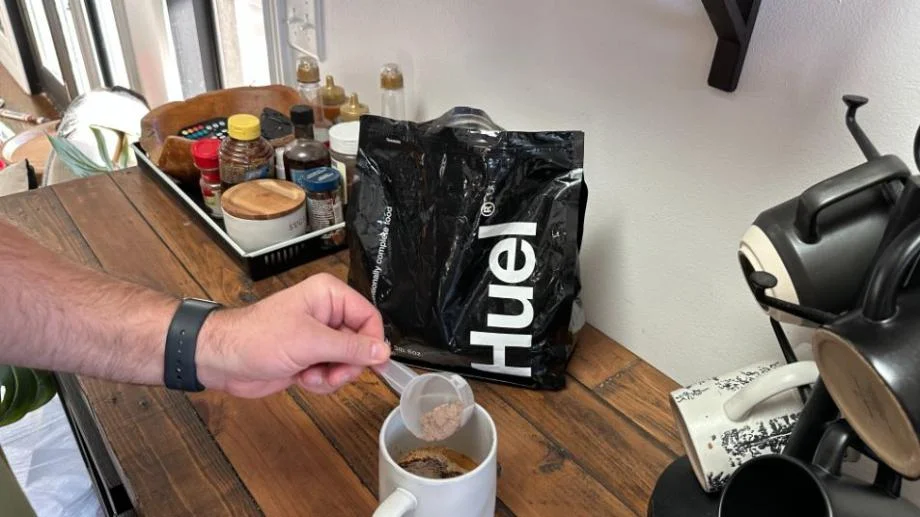
“I tried the Cookies & Cream, and it was very sweet. Not too sweet, but just the right amount,” says Brittany. “The best was adding it to my coffee. I don’t add the full serving size to my small espresso drink in the morning, but adding in a small portion still made my espresso tastier and also gave the benefit of added protein.”
RELATED: Plant-Based Protein Powder Vs Whey
The ingredient list in the Huel Black makeup is quite long, but there’s a lot of good stuff packed in. The protein comes from a blend of gluten-free oats, tapioca, pea protein, brown rice protein, and flaxseed. There are also medium-chain triglycerides (MCTs) from coconut oil that can provide a quick-acting source of energy1.
There are no artificial flavors or sweeteners, and the drinks are gluten-free and non-GMO. Overall, we give it 5 out of 5 stars for its formulation.
Huel Black is more than just a protein powder; it’s a complete meal replacement supplement formulated with ingredients that support muscle function, immune health, digestion, heart health, and energy production. It boasts high-quality protein, heart-healthy fats, fiber, and 27 essential vitamins and minerals.
Perry Nix, MS, RD, LD
What We Didn’t Like About Huel Complete Black
As with most plant-based shakes, the solubility isn’t perfect, but it’s still excellent for how many ingredients are in each scoop. Brittany said it blends fairly well, but there’s still a bit of texture.
“It dissolves pretty good, but I can feel the grittiness of the powder when I just put it in water,” she explains. “I found it better when I put it in a blender with some ice.”
With a price ranging from $2.65 to $3.53 per serving, it’s also a little expensive. You’re getting a lot of nutrients per serving, which we love to see, but it’s not cheap.
The biggest issue with Huel is the texture, so if you want a smoother option, we also love Jocko Molk Protein Shakes.
Testing Breakdown
Even though it’s quite expensive compared to other protein powders, Huel Complete Black received high scores in the rest of our testing categories, and we think it’s well worth the money if you need a convenient meal replacement.
Huel Complete Black Specs
| Price per serving | $2.65-$3.53 |
| Calories per serving | 400 g |
| Protein per serving | 40 g |
| Fat per serving | 17 g |
| Carbs per serving | 24 g |
| Number of flavors | 9 g |
| Third-party tested? | Yes |
To learn more, be sure to check out our complete Huel review.
Best Organic Protein Shake for Weight Loss: Orgain Organic Grass-Fed Protein Shake
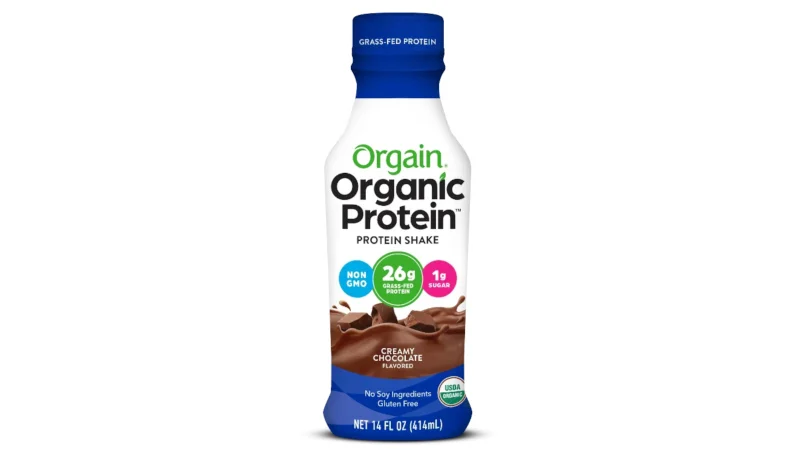
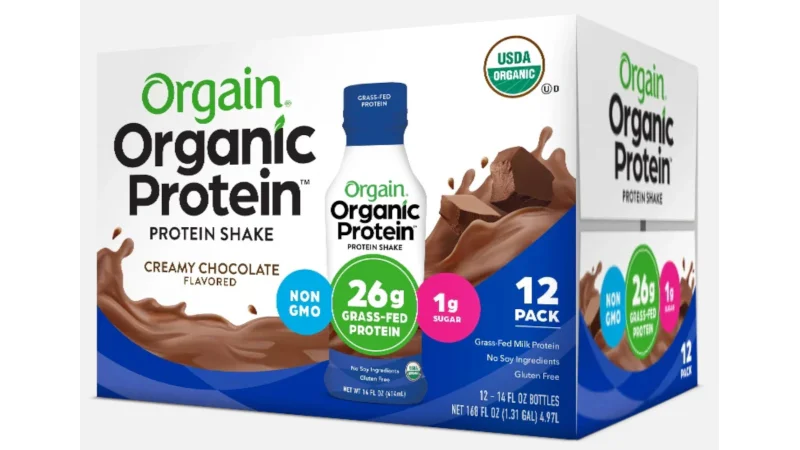
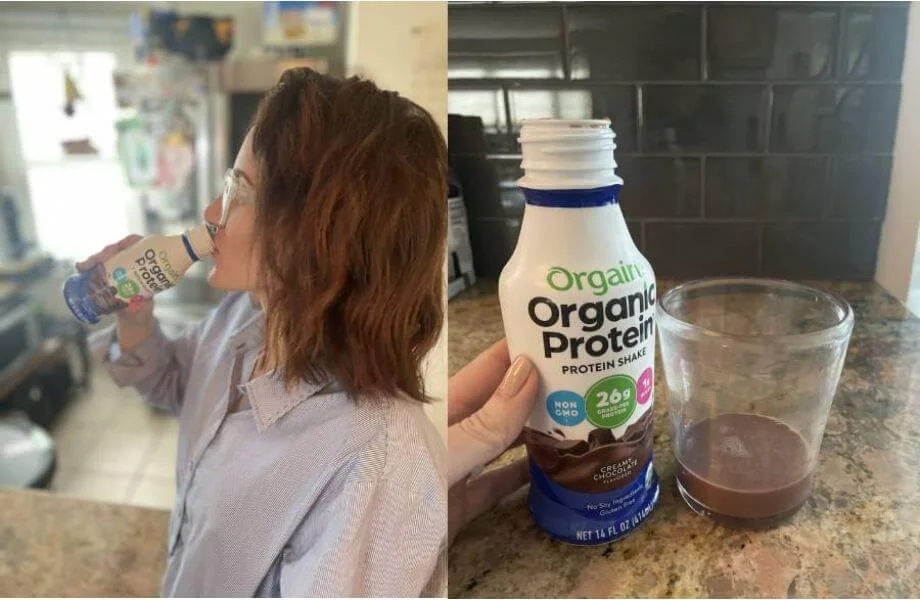

Orgain Organic Grass-Fed Protein Shake is a great option if you are looking for a standard protein shake that is organic with clean ingredients.
What our tester says:
“It’s pretty good, definitely chocolate-y. If I was out and about and needed an easy protein source, I’d buy one of these again!”
The Orgain Grass-Fed Protein Shakes really just have everything going for them. For one, they’re made with grass-fed whey protein, which (in comparison to conventional proteins) is higher in essential fatty acids2 like omega-3s, conjugated linoleic acid (CLA)3, and alpha-linoleic acid. They also have a clean ingredient list, especially for a pre-made protein shake.
Many of the ingredients are organic, too, earning the protein shake a 4.5 out of 5 for its formulation.
Formulation: 4.5/5
Taste: 4/5
Solubility: 5/5
Why We Like Orgain Organic Grass-Fed Protein Shakes
Instead of artificial sweeteners, they’re sweetened with a combination of erythritol (a sugar alcohol) and stevia. Orgain’s Grass-Fed Protein Shakes are flavored with natural ingredients and cocoa, as well.
According to Chris Mohr, Ph.D., RD, “Erythritol is generally safe for most people. Unlike other sugar alcohols, it’s absorbed into the bloodstream pretty early during digestion, which helps reduce gastrointestinal issues. However, in larger quantities, it may still have a GI effect and cause digestive upset, gas, or bloating.”
RELATED: Best Protein Powders for Sensitive Stomachs
Certified personal trainer and GGR Senior Director of Content Nicole Davis enjoyed the taste, saying, “I could pick up on a slight aftertaste, but it wasn’t off-putting, at all.” This leads to a rock-solid taste rating of 4 out of 5. She also highlighted the creaminess as one of the things she loved about this protein shake, rating the texture a perfect 5 out of 5.
They’re also low-calorie—Creamy Chocolate Fudge only has 160 calories per serving—with a high amount of protein (26 grams per serving, to be exact). This makes it easy to fit them into a weight loss diet while still enjoying nutrient-dense whole foods.
They’re very creamy—similar to whole milk. This was what sold me on these. You just can’t really achieve this consistency with protein powder at home.
Nicole Davis, CPT, PN1-NC
What We Didn’t Like About Orgain Organic Grass-Fed Protein Shakes
Right now, the grass-fed version only comes in one flavor, so you do have to like chocolate. Hopefully, though, the line will expand at some point. If you want other flavors, Orgain offers clean protein shakes with a bit less protein, but you’ll be able to choose other flavor options, nonetheless.
We also wish there was a whey isolate version available. Whey concentrate is still a fantastic protein source that certainly adds to the creamy texture, but some people find that it can cause a bit of bloating and digestive stress. Conversely, whey isolates are typically much easier to digest.
If you prefer a whey isolate and don’t mind mixing your own shake, Transparent Labs Whey Protein Isolate is one of the best options on the market.
Testing Breakdown
These Orgain protein shakes scored very highly for most of our scoring categories, which is why they’re our favorite shakes for those who prefer organic ingredients.
Orgain Grass-Fed Whey Protein Shakes Specs
| Price per serving | $3.58 |
| Calories per serving | 160 |
| Protein per serving | 26 g |
| Fat per serving | 4 g |
| Carbs per serving | 15 g |
| Number of flavors | 1 g |
| Third-party tested? | No, but certified USDA organic |
Read more in our Orgain Protein Shake review.
Best Protein Shake for Weight Loss and Muscle Gain: Jocko Molk Protein Shake
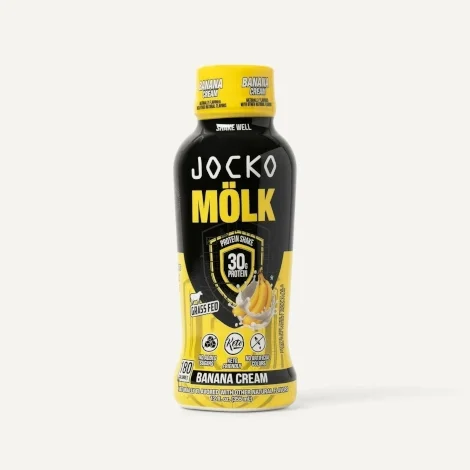



If you’re looking for a shake that’s low enough in calories to fit a weight loss plan, yet still provides plenty of nutrients and protein to help you build muscle along the way (or, at the very least, protect the lean muscle mass you already have), Jocko Molk Protein Shakes are a solid choice.
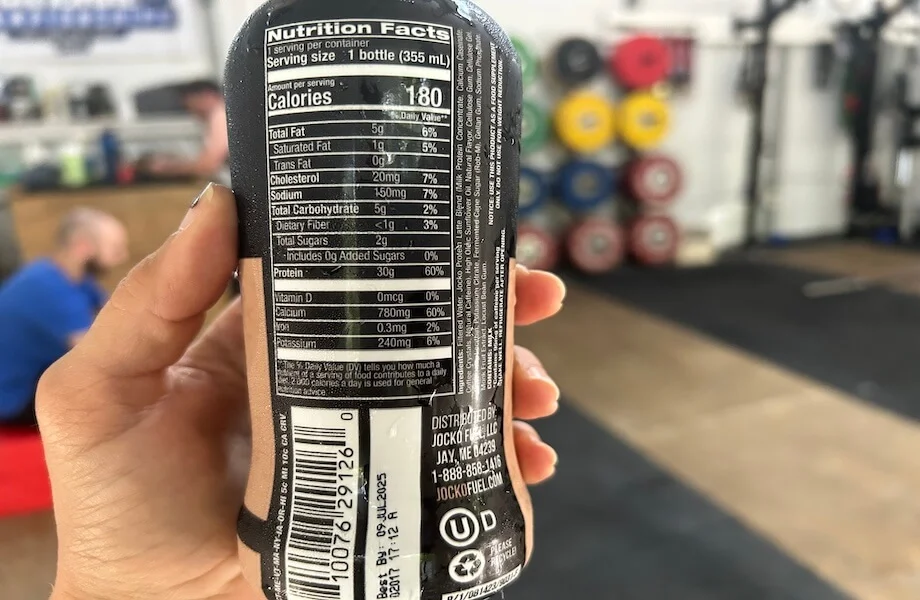
Each low-sugar serving contains a full 30 grams of protein, which is more than the average shake, and we give them 5 out of 5 stars for the formulation.
Formulation: 5/5
Taste: 3.5/5
Solubility: 3.5/5
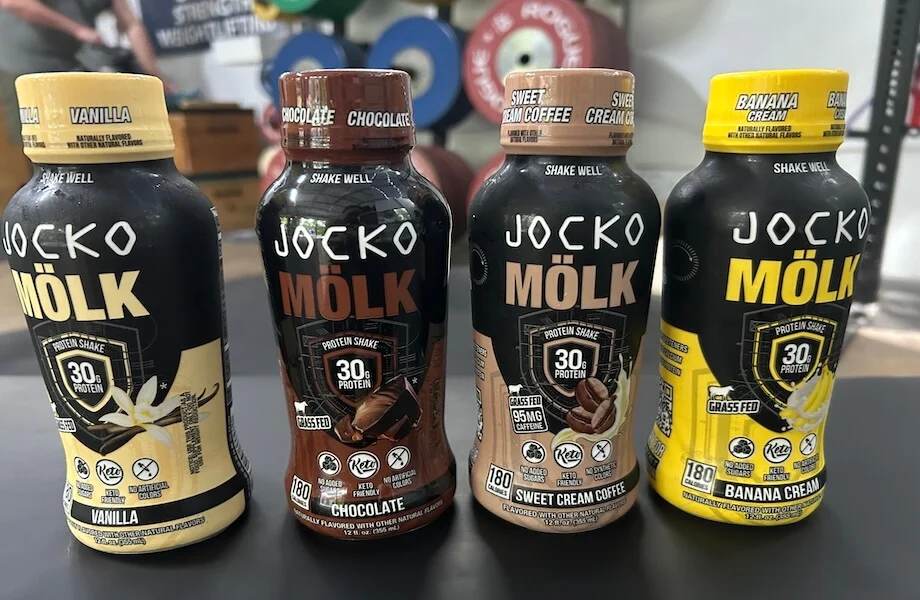
Why We Like Jocko Molk Protein Shakes
The first thing we like is the thin texture here. Many high-protein shakes are quite thick and chalky, but this one is smooth and easy to drink, earning 3.5 out of 5 stars for the texture.
“The first ingredient in this shake is water, and you can tell,” explains Anthony O’Reilly, CPT, CNC. “It’s quite thin and, in my opinion, this kind of diluted the flavor a little bit.”
However, as someone who’s had too many shakes with way too many sweeteners, I can attest that this is a good thing for those with sensitive palettes. Not to mention, it’s completely free of artificial ingredients and sweeteners, so I’d expect a more mild taste.
Anthony also gave it 3.5 out of 5 stars for the flavor, noting, “The taste I got was reminiscent of banana pudding, so it wasn’t bad. There was a slight protein taste to it, which is understandable since there are 30 grams in a bottle, but nothing crazy.”
Finally, we love that Jocko shakes are third-party tested, and you have a 60-day guarantee. If you’re not satisfied, Jocko will refund your order, which is rare to see with protein shakes. Because of this, Jocko earns 5 out of 5 for the customer experience.
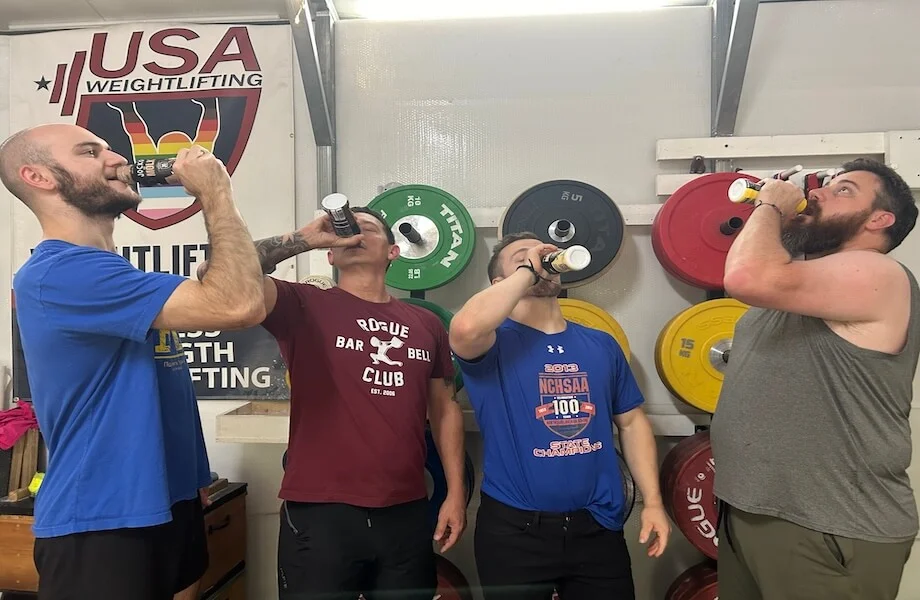
This is one of the highest-protein shakes on the market, and I love that it doesn’t use any artificial ingredients. For those looking for a natural shake to boost your recovery after a tough session, I think Jocko Molk Protein Shakes are a great choice.
Matt Dustin, CSCS, PN1-NC
What We Didn’t Like About Jocko Molk Protein Shakes
The first callout we have is the higher-than-average fat content. The shake is high in protein, but also relatively high in fat and carbs. We still like the formulation, and it’s hard to get that much protein in without extra calories, but this may be an issue for some who are solely focused on weight loss.
As noted earlier, Anthony also felt the texture was a bit thin and watery. If you’re looking for a thick, creamy shake to keep you full between meals, this may not be the best choice.
If you want something that’s lower in calories, the Barebells Choco Milk Drink is a solid choice.
Testing Breakdown
While the price is a bit high, this still received excellent marks in the most important categories, like formulation, side effects, and the customer experience.
Jocko Molk Protein Shakes Specs
| Price per serving | $3.75 |
| Calories per serving | 180 |
| Protein per serving | 30 g |
| Fat per serving | 4.5 g |
| Carbs per serving | 5 g |
| Number of flavors | 5 |
| Third-party tested? | Yes |
Read our full Jocko Molk Protein Shake review to learn more.
Our Testers

Anthony O'Reilly, CPT, CNC
Anthony is a personal trainer, nutrition coach, and former GGR performance editor

Nicole Davis, CPT, CNC,PN1-NC
Nicole is a certified personal trainer and nutrition coach, and GGR’s Senior Director of Content

Matt Dustin, CSCS, PN1-NC
Matt is a strength and conditioning coach and nutrition coach who’s tried countless protein shakes over the years
Other Protein Shakes for Weight Loss We Researched
While we narrowed our list down to the top five choices, there are plenty of other protein shakes on the market worth considering. Here are a few more that didn’t quite make the list:
- SlimFast High-Protein Shakes: SlimFast is arguably one of the most well-known protein/weight loss shakes, but it’s full of filler ingredients, canola oil, and artificial sweeteners. It didn’t taste good, either, (GGR Senior Staff Writer and professional athlete Caine Wilkes gave it a 1.5 out of 5 for taste). With more options out there with much better quality, we say skip this one.
- Premier Protein Shake: This is the same story as the others. It has a good macronutrient and micronutrient profile, but it’s full of artificial ingredients and artificial sweeteners.
- Ora Organic So Lean, So Clean Protein Powder: Ora has an impressive ingredient list, but the protein is plant-based. Again, not inherently a bad thing, but research does show that animal-based proteins like whey are more bioavailable, so we generally recommend them over plant-based products.
How We Picked and Tested the Best Protein Shakes for Weight Loss
To score each shake, we asked our testers to follow our comprehensive protein testing methodology. This helps us provide an unbiased review score by rating the shake on a scale of 1-5 for the following categories:
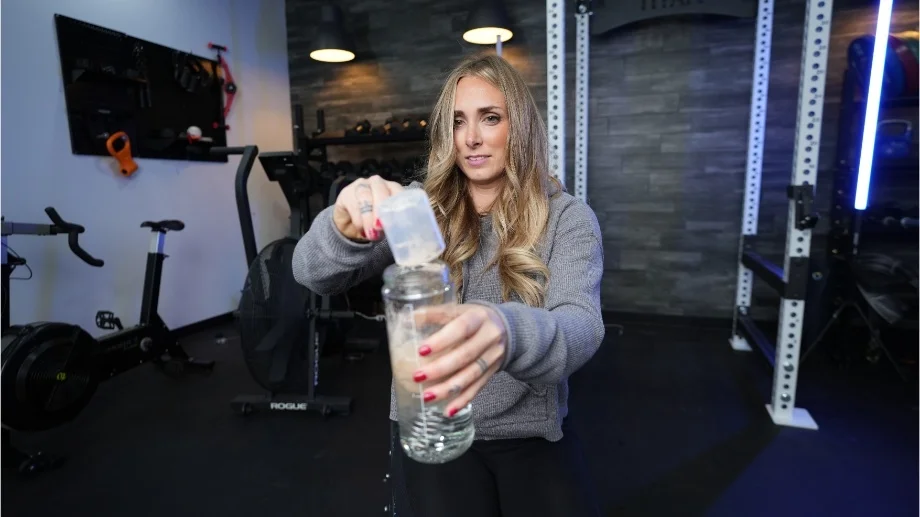
Price Per Serving
For this category, we’re looking at the average cost per serving of a given protein powder or shake, which can vary greatly from one brand to the next. To earn 3-out-of-5 stars, the price per serving falls between $1.50 and $1.90 for a conventional powder, with those priced below or above that range scoring higher or lower, accordingly. Pre-made protein shakes may be a bit more, with a 3-out-of-5 reserved for shakes that cost between $2.50 and $4.50 per serving.
Formulation
Here, we analyze the macronutrient profile of each protein option—protein, carbs, fat, and total calories per serving—along with any extra ingredients like BCAAs, flavorings, or additives. To earn a 3 out of 5, a protein should provide at least 18 grams of protein per serving with few to no unnecessary ingredients. Shakes or powders where carbs and fats overshadow the protein content, or that are loaded with filler ingredients, will score lower.
Taste
Taste is subjective, so we base this rating on the experiences of our internal testers, as well as the general consensus from customer reviews online. We take into account the specific flavor we tested, along with the brand’s full flavor range. To earn 3 out of 5 stars, a protein powder should taste fine—nothing offensive, but nothing that blows us away, either.
Solubility/Texture
Solubility measures how well a protein powder dissolves in the suggested amount of liquid. We’re checking for floaties, graininess, overly thick or thin consistencies, and whether the shake separates or settles after sitting for a few minutes. To earn a 3-out-of-5 rating, a powder might have a floatie here or there and separate a bit after sitting, but a quick shake should mix everything back up. For ready-to-drink shakes, we analyze how chalky or gritty the mixture is straight from the bottle, awarding 3-out-of-5 ratings to products that are tolerable but aren’t necessarily the smoothest or creamiest from the jump.
Side Effects
This category is also based on feedback from our internal testers and customer reviews. We’re paying attention to how a protein supplement makes you feel after drinking it—looking for any digestive issues, weird aftertastes, or other complaints. To earn a 3 out of 5, a protein should generate only a few minor complaints from testers and reviewers, with no major adverse effects of note.
Transparency and Third-Party Testing
Because dietary supplements aren’t approved by the FDA, independent third-party testing is one of the best ways to verify that what’s on the label is actually in the tub or bottle—something that’s especially important for competitive athletes. We also consider transparency, or whether the company provides certificates of analyses (COAs), avoids proprietary blends, and is generally upfront about its ingredients. To earn 3-out-of-5 stars, a company should seem fairly transparent, even if the product isn’t certified by a major organization like Informed Choice/Sport or the Banned Substance Control Group (BSCG).
Customer Service
Customer service covers company policies like return policies and free shipping, as well as how helpful and responsive the brand is to consumers. To earn a 3 out of 5, a company should be reasonably easy to contact and order from, with fair (if not exceptional) return and exchange policies. Companies that are unresponsive, difficult to order from, or don’t offer returns will score lower in this category.
Customer Reviews
This rating is pulled directly from the company’s website or Amazon, rather than assigned by our testers. It reflects the average star rating from verified customers, giving you a sense of how the protein powder performs for a wide range of everyday users.
Benefits of Protein Shakes for Weight Loss
Yes, protein shakes may help you lose weight (as part of a healthy diet and lifestyle), but there are other benefits, too.
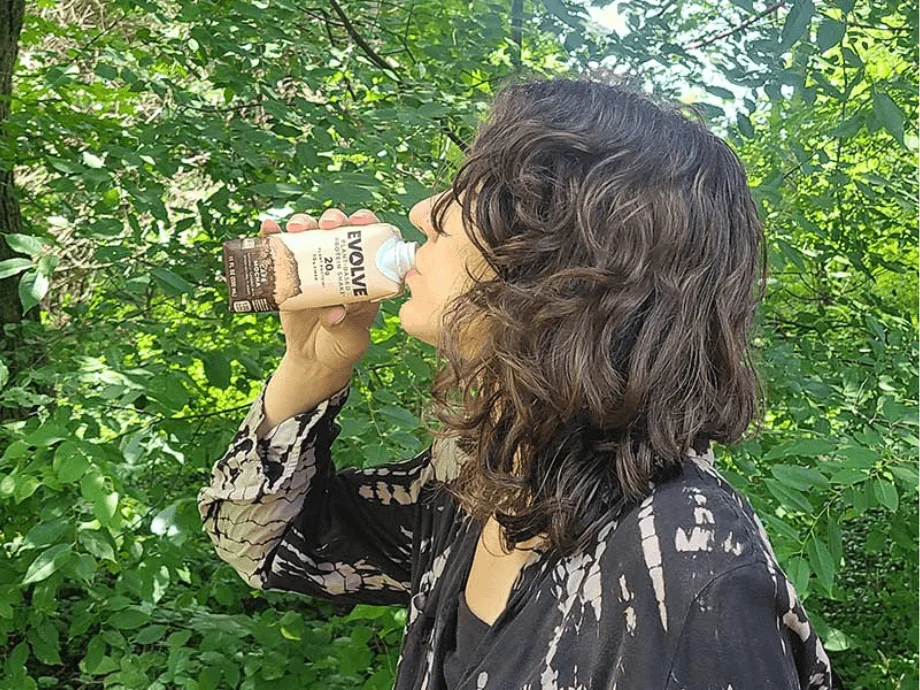
They Help Keep You Full
Protein is often called the satiety nutrient because, calorie-for-calorie, it can help keep you fuller6 than fat and carbohydrates.
“If your goal is weight loss, you need an overall reduction in calories. Replacing foods that have little to no nutritional value with quality protein can help support that goal,” says Chris Mohr, Ph.D., RD. “Not only will it fill you up, but it will also help repair and rebuild lean muscle.”
Most protein shakes have at least 20 to 25 grams of protein, so they’re a good way to fill you up between meals or before or after workouts. This is also the recommended per-meal amount of protein for muscle synthesis.
They Can Help With Muscle Growth
Protein is important for fat loss and building lean muscle mass7. You can reach your weight loss goals (i.e., you’ll see the numbers on the scale go down) without much protein, but if you really want to change your body composition, you need to hit your protein goals daily (and incorporate some resistance training).
Not to mention, protein helps support just about every other function in your body, according to Chris Mohr, Ph.D., RD. He says, “Protein is critical for every cell in the body. It is a building block for muscle, hair, skin, nails, and helps build and repair tissue in the body.”
You can certainly reach your protein goals with meal prepping and eating balanced whole foods, but protein shakes can help you get there a little easier. They’re also a good pre-workout option if, like Amanda Capritto, CPT, CES, CNC, CF-L1, and GGR Senior Staff Writer, you don’t like to eat solid food before intense exercise.
They’re Convenient
When trying to lose weight, it’s important to have healthy meals and snacks at-the-ready. This helps keep you on track and makes it less likely that you’ll reach the point of ravenous hunger, which can trigger cravings and binges.
“When I’m tired after a workout, I sometimes don’t feel like making a shake from scratch,” says Matt Dustin, CSCS, PN1-NC. “A ready-to-drink shake is easy to grab from my fridge and open, and is a great way to get my protein when I’m feeling a little lazy.”
Pre-made potein shakes are easy to grab and go. You can throw them in your gym bag or take them to work, so you have a macro-balanced option on-hand. Protein powders aren’t as convenient as ready-made protein shakes, but if you get a good one, you can easily shake them up for a similar effect.
They Provide Other Nutrients, Too
Depending on which protein shake you choose, they can provide other nutrients through their comprehensive formulations. Yes, they have carbohydrates and fat, but many have additional ingredients like greens, digestive enzymes, and/or mushroom extracts, that bump up the micronutrients, too. Basically, they can act as more of a supplement for an otherwise healthy diet.
Buying Guide: What to Look for in Protein Shakes for Weight Loss
If you’re looking for the best protein shakes for weight loss, here are the most important factors to keep in mind:
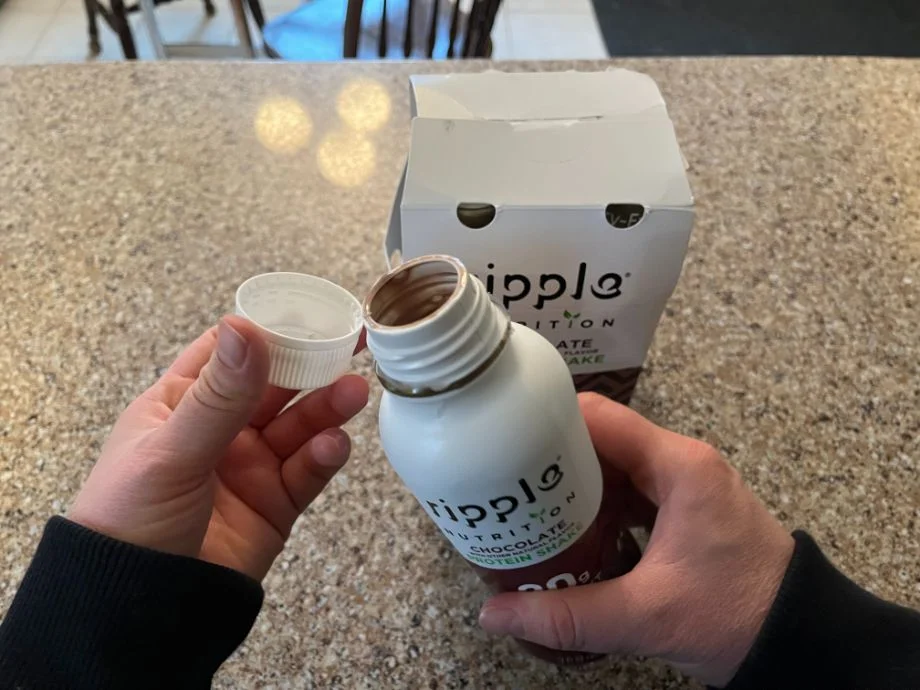
Protein Needs
Depending on your goals, your protein needs may vary. For example, someone focused on weight loss will likely want to keep their protein a little bit higher to help protect muscle, while someone in a muscle-gaining phase may be able to get extra calories and fuel from other nutrients, as well.
It’s important to figure out how much protein you actually need in a day, as well as how much you’re getting from your food, so that you know how much protein you should be looking for in a shake.
RELATED: How Much Protein Should I Eat to Lose Weight?
Dietary Restrictions
If you have any dietary restrictions or food allergies, it’s important to double check the label of any shake before you drink it.
For example, those who have lactose sensitivities may want to choose a plant-based option, instead. These plant-based profiles can serve a great alternatives to dairy proteins like whey and casein, which can be thick, chalky, and cause bloating in some people.
Those who have issues with gluten will want a gluten-free option, and so on. Thankfully, there are shakes available for just about any dietary preference, so it shouldn’t be too difficult to find something that fits your needs.
Budget
OK, we have to discuss the obvious—your budget. Unfortunately, protein shakes will almost always be more expensive than protein powders because they’re already mixed for you, ready to drink, and typically delivered in a bottle or can for enhanced convenience.
However, if you’re shopping on a tight budget and having a hard time hitting your protein, you may want to consider one of the best protein powders for weight loss, instead; they’re often a bit more affordable and still provide plenty of options, including non-dairy, plant-based, whey, and more.
That said, if you’re willing to spend a little bit extra on convenience, most of the protein shakes on this list are quite affordable, but it’s worth comparing a few options to see which fits your budget.
Dosing and Interactions
The right “dosing” really depends on your goals, but getting 20 to 25 grams of protein per meal8—or, in one sitting—seems to be the sweet spot for muscle protein synthesis. If you have high protein needs, the best approach is to spread that protein out throughout the day across several smaller meals and snacks.
RELATED: Protein Snack Ideas
Some people can experience some gastrointestinal side effects—like gas, stomach cramps, diarrhea, and bloating—when consuming too much protein, but this generally settles down as your body gets used to it.
Third-Party Testing
Because pre-made protein shakes are considered “food” and not supplements, third-party testing doesn’t always come into play. Conversely, protein powder is typically sold as a supplement that you can mix yourself or add to other foods. As such, powders are categorized by the FDA as a dietary supplement.
There are some shakes that are organic and/or non GMO-certified, so we considered that when choosing our top picks.
FAQs About the Best Protein Shakes for Weight Loss
Are protein shakes good for losing weight?
Protein supplements may be helpful for losing weight if you choose good, well-balanced ones. You want to make sure you’re getting around 20 to 25 grams of protein and under 200 calories per shake (unless it’s a meal replacement shake). That said, to lose weight, you’ll need to aim for a calorie deficit and, ideally, follow a regular exercise routine.
Can you lose weight drinking two protein shakes per day?
You can, if you remain in a caloric deficit. But you shouldn’t only drink two protein shakes per day. This would reduce calorie intake too much and potentially put you at risk of other nutritional deficiencies. Protein shakes should be a way to supplement your protein intake or give you a quick source of protein pre- or post-workout. They should not take the place of nutrient-dense foods, especially since whole foods typically provide better feelings of fullness between meals.
Can you lose belly fat by drinking protein shakes?
Maybe. Research shows9 that following a high-protein diet may help reduce belly fat—usually the deep, problematic abdominal fat known as visceral fat—but protein shakes alone won’t magically slim your midsection. You need to also make sure you’re in a calorie deficit10 (expending more calories than you’re consuming) and eating plenty of healthy, whole foods, especially lean proteins and vegetables.
What should I use to mix my protein shakes?
If you’re looking to lose weight and don’t enjoy the texture of protein shakes, you can stir your protein powder into low-fat or fat-free Greek yogurt to hide the texture, or mix it with something like unsweetened almond milk to create more of a creamy texture with minimal calories.
References
- Jadhav, HB, Annapure, US. Triglycerides of medium-chain fatty acids: a concise review. J Food Sci Technol. 2023;60(8):2143-2152. doi:10.1007/s13197-022-05499-w7.
- Davis, H, Magistrali, A, Butler, G, Stergiadis, S. Nutritional benefits from fatty acids in organic and grass-fed beef. Foods. 2022;11(5):646. doi:10.3390/foods11050646
- Daley, CA, Abbott, A, Doyle, PS, Nader, GA, Larson, S. A review of fatty acid profiles and antioxidant content in grass-fed and grain-fed beef. Nutr J. 2010;9:10. doi:10.1186/1475-2891-9-10
- Shanthakumar, P, Klepacka, J, Bains, A, Chawla, P, Dhull, SB, Najda, A. The current situation of pea protein and its application in the food industry. Molecules. 2022;27(16):5354. doi:10.3390/molecules27165354
- Wang, Y, Liu, Z, Han, Y, Xu, J, Huang, W, Li, Z. Medium chain triglycerides enhances exercise endurance through the increased mitochondrial biogenesis and metabolism. PLoS One. 2018;13(2):e0191182. doi:10.1371/journal.pone.0191182
- Morell, P, Fiszman, S. Revisiting the role of protein-induced satiation and satiety. Food Hydrocoll. 2017;68:199-210. doi: 10.1016/j.foodhyd.2016.08.003
- Krzysztofik, M, Wilk, M, Wojdała, G, Gołaś, A. Maximizing muscle hypertrophy: a systematic review of advanced resistance training techniques and methods. Int J Environ Res Public Health. 2019;16(24):4897. doi:10.3390/ijerph16244897
- Tipton, KD, Phillips, SM. Dietary protein for muscle hypertrophy. Nestle Nutr Inst Workshop Ser. 2013;76:73-84. doi:10.1159/000350259
- Clifton, PM, Bastiaans, K, Keogh, JB. High protein diets decrease total and abdominal fat and improve CVD risk profile in overweight and obese men and women with elevated triacylglycerol. Nutr Metab Cardiovasc Dis. 2009;19(8):548-554. doi:10.1016/j.numecd.2008.10.00615. Arciero PJ, Ormsbee MJ, Gentile
- CL, Nindl BC, Brestoff JR, Ruby M. Increased protein intake and meal frequency reduces abdominal fat during energy balance and energy deficit. Obesity (Silver Spring). 2013;21(7):1357-1366. doi:10.1002/oby.20296