

As the anti-aging and recovery market continues to grow, we’re seeing countless tools, supplements, and biohacking products designed to optimize our health, improve exercise recovery, reduce symptoms of aging, and more. With many of these products making dramatic claims that sound too good to be true, it can be hard to tell what’s worth trying.
Many anti-aging hacks aren’t cheap, after all, and nobody wants to waste their money on something that doesn’t work. So, does red light therapy work?
In this article, I’ll examine the current science of red light therapy devices, which are used to treat a variety of health conditions. I’ll explain how this treatment works, share the science-backed benefits and health risks, and answer the question once and for all.
What Is Red Light Therapy?
Before we dig into the science, we need to briefly cover what red light therapy (RLT) is. RLT is a medical treatment classified as low-level laser therapy that uses red and near-infrared light to promote healing and energy production in your body’s cells.
While most people know it as red light therapy, it also goes by several other names that you may see, including:
- Photobiomodulation (PBM)
- Photonic stimulation
- Biostimulation
- Low-level laser therapy (LLLT)
- Low-power laser therapy (LPLT)
I’ll be using the term red light therapy in this article, but some of the research looks at all sorts of LED light therapy, and many devices can be programmed to use a wide spectrum of colors and wavelengths, including ultraviolet and blue light therapy.
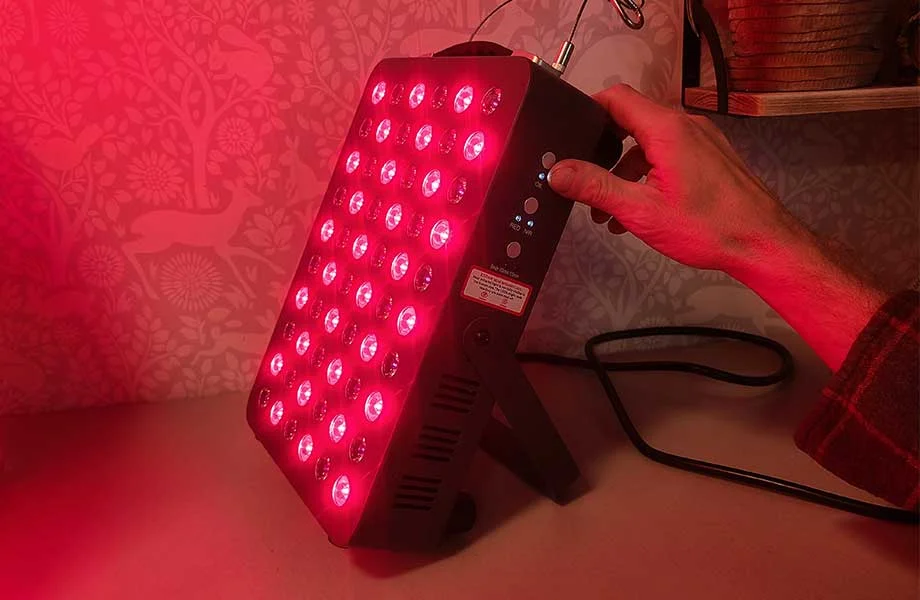
RLT may seem like a cutting-edge treatment developed by modern science, but it’s been studied since the 1990s, when NASA began experimenting1 with different colors of light to increase plant growth in space.
This non-invasive treatment is a popular service offered at dermatology clinics, spas, weight loss centers, and doctors’ offices. You can even purchase your own red light therapy device so you can reap the benefits right at home.
How Does Red Light Therapy Work?
When the light generated by an RLT device hits your skin, specific wavelengths of red light penetrate the skin and are absorbed by special molecules in your skin cells known as chromophores. This is meant to promote activity in the mitochondria, which are the powerhouses of the cells responsible for energy production.
This light exposure can increase adenosine triphosphate (ATP) production in the mitochondria, which fuels many types of exercise.
In addition to boosting ATP production in mitochondria, RLT can help improve blood flow, reduce inflammation, and even reduce oxidative stress; a process that plays a major role in aging skin2.
If these benefits are real, RLT would be a powerful tool for recovery and anti-aging. As always, though, we should examine scientific research rather than rely on marketing claims.
Scientific Benefits of Red Light Therapy
Now that we’ve established how red light therapy works, let’s look at some of the evidence-based benefits of regular light therapy. It’s not magic, but there are a few reasons you may wish to add RLT to your health and wellness routine.
RELATED: Infrared Sauna Benefits
May Reduce Inflammation
Inflammation in the human body is a natural response associated with healing, but having chronically high levels of inflammation can backfire, leading to achy joints and muscular pain between workouts. More importantly, chronic inflammation has been associated3 with an increased risk of cardiovascular disease, arthritis, diabetes, allergies, and chronic obstructive pulmonary disorder.
A 2017 study4 examined the anti-inflammatory effects of RLT and found that it may reduce inflammation, specifically in the brain, abdominal fat, wounds, lungs, and spinal cord. Researchers tracked inflammatory markers, oxidative stress, immune cell activity, and healing speed, and discovered that RLT can help shift the body into a repair-oriented state by increasing ATP production (cellular energy) and reducing those key inflammatory markers.
May Accelerate Wound Healing
Another benefit of RLT is its ability to help improve cutaneous (dermal) wound healing, which is any sort of injury that pierces the skin.
In 2017, researchers looked at the impact of red and near-infrared wavelength therapy5 on cutaneous wound healing, and found that specific frequencies have beneficial healing effects on the skin. Specifically, the authors of the study concluded that, “Near-infrared (800-830 nm) was found to be the most effective and widely studied wavelength range followed by red (630-680 nm) and super-pulsed (904 nm) light.”
Furthermore, the study showed that red and near-infrared light modulate cellular energy and stress responses by improving blood flow, reducing inflammation, and supporting tissue repair. While red light affects surface-level tissue, near-infrared waves penetrate deeper, where they can reach the cells involved in repair and healing.
May Promote Healthy Skin and Hair
Red light therapy is commonly used in-office at dermatology clinics and anti-aging centers as a skin rejuvenation treatment, and science supports the idea of adding RLT to your skincare routine.
A 2020 study6 published in the Journal of Drugs in Dermatology found that RLT can help rejuvenate the skin by stimulating fibroblasts, which increases collagen production. This increase in collagen helps improve skin elasticity and minimizes the appearance of fine lines and wrinkles (two classic signs of aging).
Red light therapy may also treat certain skin conditions unrelated to aging. A 2018 study7 from Lasers in Medical Science found that phototherapy cleared plaque psoriasis with two weekly laser sessions in one month. These sessions lasted 20 minutes, with the device delivering continuous 830- and 633-nm wavelengths.
A 2021 study8 also found that RLT can help treat both acne and androgenetic alopecia—a condition that causes progressive hair loss. While it affects both men and women, it’s commonly referred to as, “male pattern baldness,” because it affects up to 50% of men by age 50. However, this study revealed that consistent exposure to specific red and near-infrared light frequencies can promote hair growth.
Finally—and this is not medical advice in any way—a 2022 study14 published in Frontiers in Oncology found that RLT slowed the progression of melanoma, which is widely considered the most dangerous form of skin cancer. Researchers used cell cultures and animal models to test the effectiveness of RLT and found that it prevented tumor growth and increased the expression of immune markers without damaging the surround skin tissue.
RELATED: Best Infrared Saunas
May Reduce Joint and Muscle Pain
Red light therapy may not seem strong enough to have any impact on muscle and joint soreness, but similar to the best muscle recovery tools, RLT can help with post-workout recovery.
A 2022 study9 published in the European Journal of Physical Rehabilitation Medicine found that RLT, “Reduces pain intensity in non-specific knee pain, osteoarthritis, pain post-total hip arthroplasty, fibromyalgia, temporomandibular diseases, neck pain, and low back pain.” In one randomized control trial, 86 patients with non-specific knee pain received standard care (physical therapy or chiropractic therapy) or standard care plus 12 treatments of light therapy over the course of four weeks. Those who received light therapy reported greater pain reduction, improved physical function, and maintained said results after a 30-day follow-up.
Even if you don’t suffer from joint pain, RLT can potentially help with the post-workout soreness many of us experience in the days after a resistance training session. A 2016 systematic review10 looked at 46 clinical trials on the impact of RLT and found that it can heal damaged muscle tissue, and even increase muscle mass gained after training while decreasing inflammation and oxidative stress.
The Best Red Light Therapy Devices for Your Needs
Just like the best home gym equipment can help you accomplish your fitness goals, the right red light therapy device can make a big difference in seeing results. Whether you want to support faster muscle recovery, improve your skin health, relieve pain, or even accelerate wound healing, there’s an optimal choice for each purpose. Here are our recommendations for the best red light therapy device based on your desired outcome:
Red Light Therapy Guns and Face Masks for Skin Health
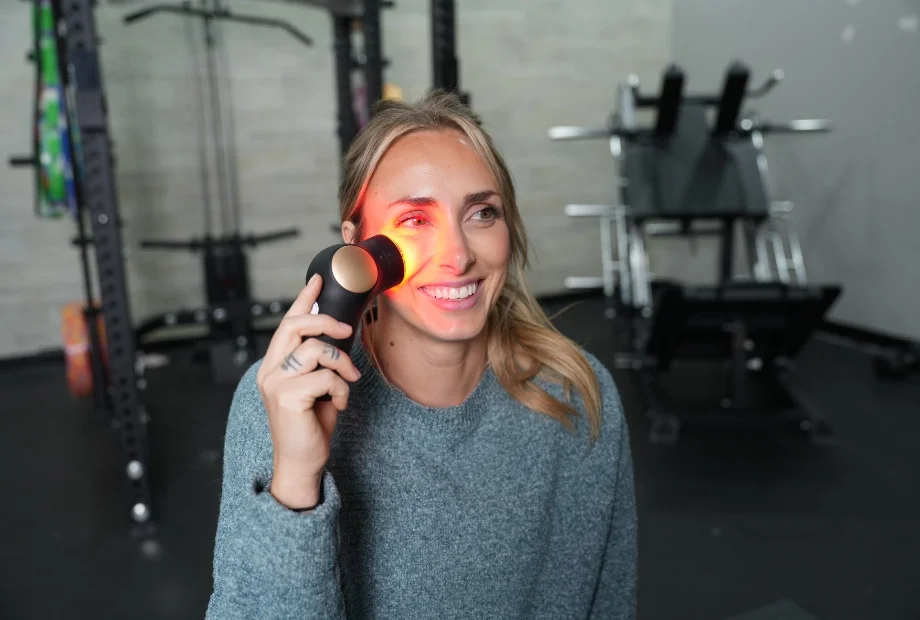
If you’re frustrated by fine lines, wrinkles, acne, or other skin problems, adding a red light therapy gun or face mask to your arsenal can be a sound strategy. Although it may not make issues disappear completely, this tool can help rejuvenate your skin with certain anti-aging effects.
If you fall into this category, consider a device like the Therabody TheraFace PRO, which emits red light, infrared light, and blue therapy alongside percussive technology for skin-surface facial massages.
Red Light Therapy Panels for Muscle Recovery
If better recovery is at the top of your priority list, a red light therapy panel can be the way to go. Offering far more versatility than a wand or wrap, you can utilize this tool for full-body treatments.
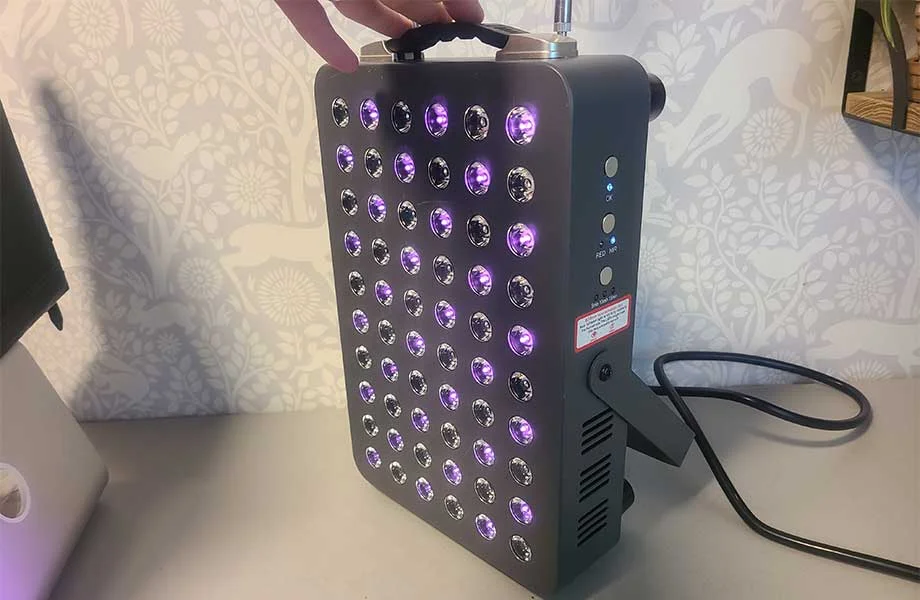
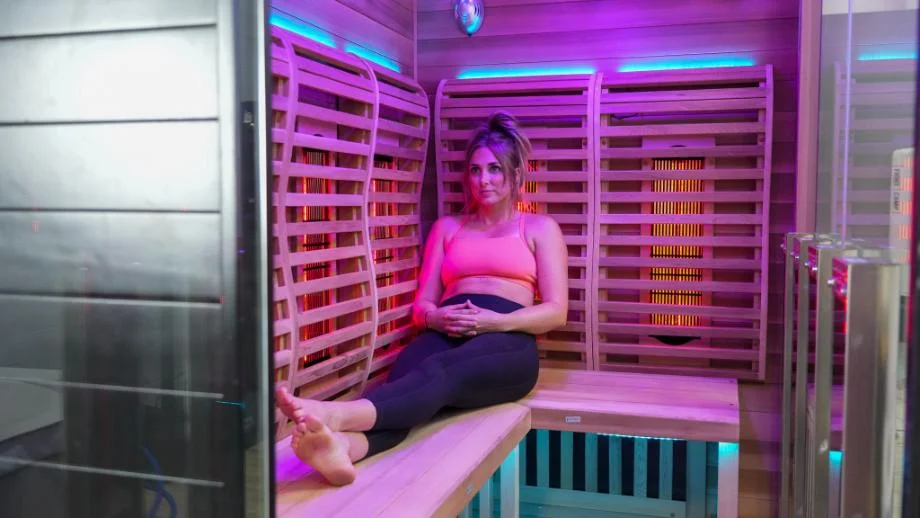
Available in many shapes and sizes, you can opt for a premium, full-length panel like the one you get in the Heavenly Heat 2-Person Red Light Therapy Infrared Sauna, or go with the more compact and affordable Hooga HG300—one of our favorite red light therapy devices in today’s market.
Red Light Therapy Belts, Wraps, and Pads for Pain Relief/Joint Support
Dealing with persistent pain or achy joints? A red light therapy belt, pad, or wrap can provide much-needed relief. These devices typically emit a combination of red and near-infrared light for targeted pain relief and joint support. Because they’re designed to wrap directly around the affected area, the close contact can help improve circulation and reduce inflammation.
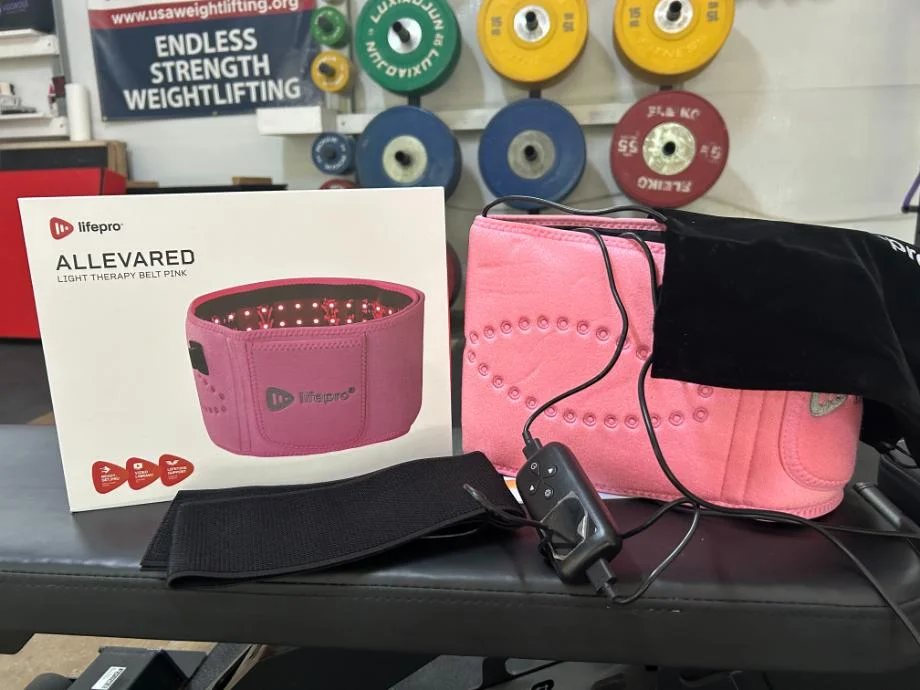
Of all the wraps we tested, we put the LifePro AllevaRed Light Therapy Belt at the top of our list since it can treat large areas and proved highly effective.
RELATED: LifePro Coupon Code
Is Red Light Therapy Dangerous?
When we think about intentionally exposing our skin to concentrated light, many of us may think about tanning beds or even regular sun exposure, which can damage our skin and eyes.
Does red light therapy have the same impact? The answer is tricky.
We’ll start with the eyes, as one 2017 study11 concluded that RLT is safe for the eyes in physically healthy, unmedicated people, though some participants reported ocular discomfort. The American Academy of Opthalmology12 has said that while RLT may slow nearsightedness in children, it may cause retinal damage.
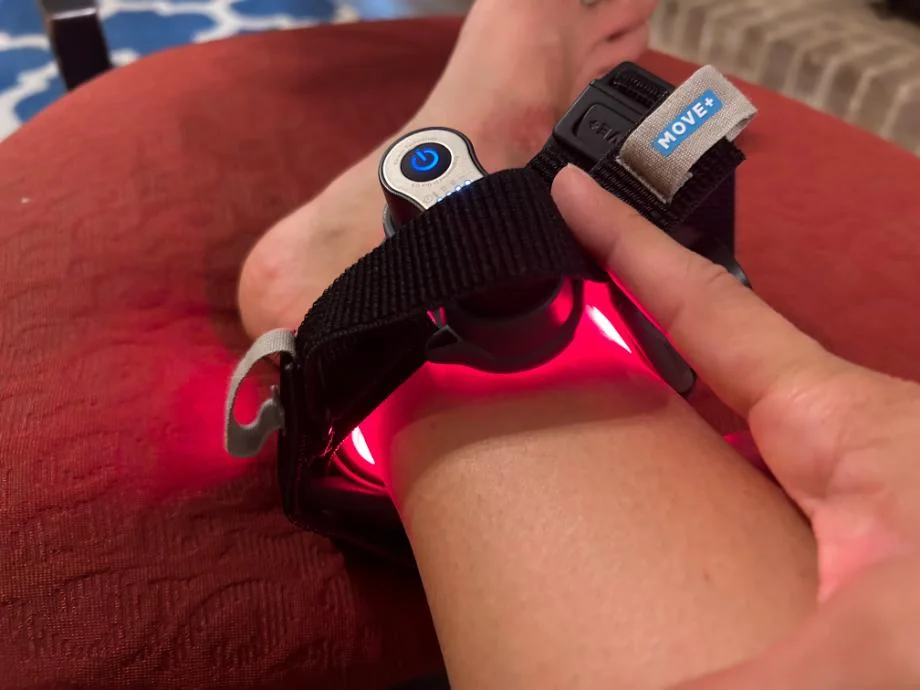
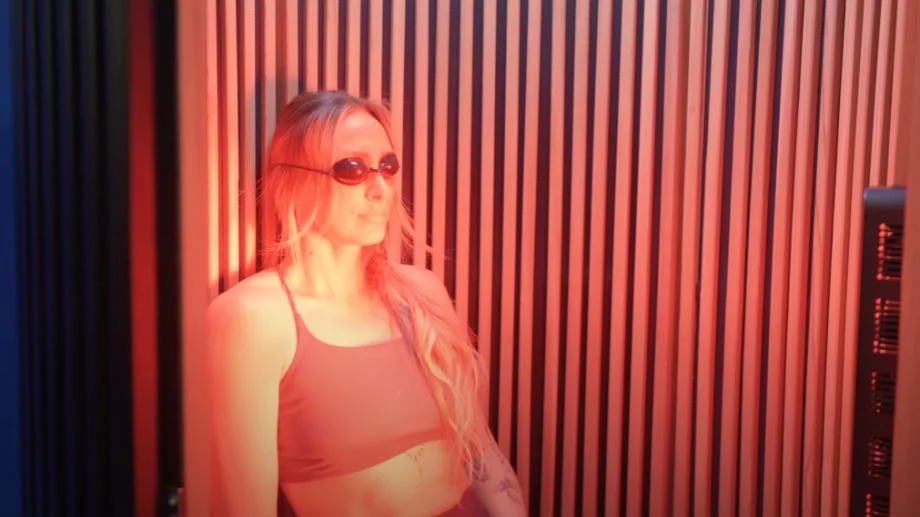
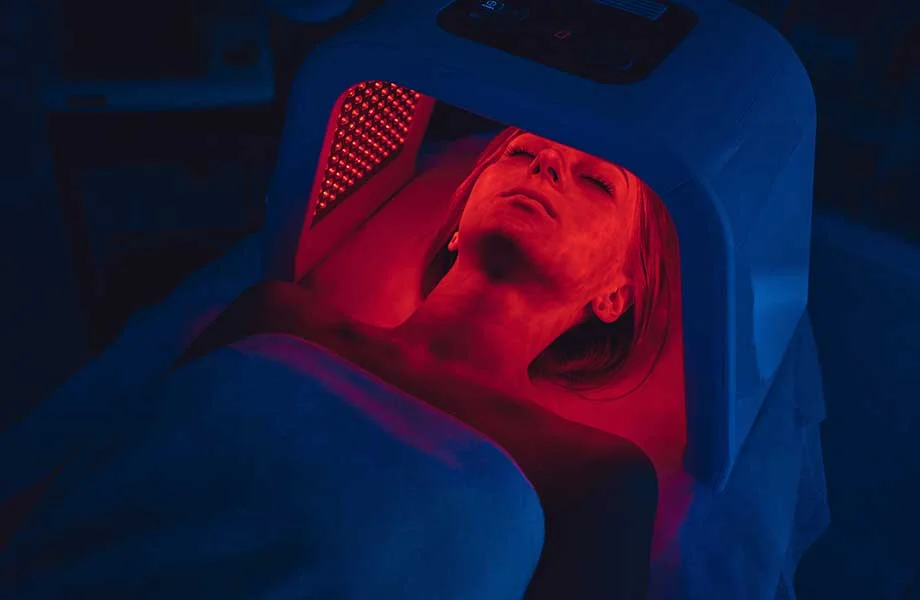
If you’re going to be exposing your face to red light therapy, you’ll want to use protective eyewear to be safe. Ask your provider for eye goggles similar to those used in tanning beds, which are often included with at-home devices
As for the skin, a 2020 study from the Journal of Biophotonics13 concluded that RLT is safe at certain frequencies, though people with darker skin may be more photosensitive.
Specifically, the authors said, “We determined that LED-RL is safe up to 320 J/cm2 for skin of color and 480 J/cm2 for non-Hispanic Caucasian individuals. LED-RL may exert differential cutaneous effects depending on race and ethnicity, with darker skin being more photosensitive.”
Does Red Light Therapy Work? Final Thoughts
Red light therapy seems to be an effective treatment to reduce inflammation, improve recovery from training, and address a variety of skin concerns. The benefits of red light therapy certainly make this treatment a useful tool to add to your routine, assuming you have the time and budget.
Of course, before using any advanced health hacks, you’ll want to ensure you’re taking care of the fundamentals. Eat a well-balanced and nutritional diet, get plenty of sleep, stay hydrated, and exercise regularly.
If you’re already doing these things, red light therapy may work quite well, depending on your goal. However, you should always consult with your healthcare provider before attempting to address any medical conditions with at-home treatment.
Does Red Light Therapy Work? FAQs
Does red light treatment actually work?
Yes. Red light therapy can reduce inflammation3, promote healthy skin7, and even accelerate cutaneous wound healing5 when using the correct light frequencies.
What are the negative side effects of red light therapy?
While red light therapy is generally considered safe, staring into red light may cause retinal damage, and eyewear is recommended. Depending on the frequency of light used and the tone of your skin, red light therapy may also cause skin irritation.
Do at-home red light therapy devices work?
Not all home red light therapy devices are created equally, but if they’re able to reach the recommended frequencies to address specific conditions, home devices can be very beneficial with regular use.
How often should you use red light therapy?
You can use red light therapy three to five times per week, depending on the condition being treated and the RLT device of choice. We recommend keeping your sessions to no longer than 20 minutes, regardless of your intended treatment area.
References
- NASA research illuminates medical uses of light | NASA spinoff. (n.d.-b). https://spinoff.nasa.gov/NASA-Research-Illuminates-Medical-Uses-of-Light
- Rinnerthaler, M., Bischof, J., Streubel, M. K., Trost, A., & Richter, K. (2015). Oxidative stress in aging human skin. Biomolecules, 5(2), 545–589. https://doi.org/10.3390/biom5020545
- Pahwa, R., Jialal, I., & Goyal, A. (2019, June 4). Chronic Inflammation. NIH.gov; StatPearls Publishing. https://www.ncbi.nlm.nih.gov/books/NBK493173/
- Hamblin M. R. (2017). Mechanisms and applications of the anti-inflammatory effects of photobiomodulation. AIMS biophysics, 4(3), 337–361. https://doi.org/10.3934/biophy.2017.3.337
- Yadav, A., & Gupta, A. (2017). Noninvasive red and near-infrared wavelength-induced photobiomodulation: promoting impaired cutaneous wound healing. Photodermatology, photoimmunology & photomedicine, 33(1), 4–13. https://doi.org/10.1111/phpp.12282
- Huang, A., Nguyen, J., Ho, D., & Jagdeo, J. (2020). Light emitting diode phototherapy for skin aging. Journal of Drugs in Dermatology, 19(4), 359–364. https://doi.org/10.36849/jdd.2020.4711
- Zhang, P., & Wu, M. X. (2017). A clinical review of phototherapy for psoriasis. Lasers in Medical Science, 33(1), 173–180. https://doi.org/10.1007/s10103-017-2360-1
- Glass G. E. (2021). Photobiomodulation: The Clinical Applications of Low-Level Light Therapy. Aesthetic surgery journal, 41(6), 723–738. https://doi.org/10.1093/asj/sjab025
- DE Oliveira, M. F., Johnson, D. S., Demchak, T., Tomazoni, S. S., & Leal-Junior, E. C. (2022). Low-intensity LASER and LED (photobiomodulation therapy) for pain control of the most common musculoskeletal conditions. European journal of physical and rehabilitation medicine, 58(2), 282–289. https://doi.org/10.23736/S1973-9087.21.07236-1
- Ferraresi, C., Huang, Y. Y., & Hamblin, M. R. (2016). Photobiomodulation in human muscle tissue: an advantage in sports performance?. Journal of biophotonics, 9(11-12), 1273–1299. https://doi.org/10.1002/jbio.201600176
- Brouwer, A., Nguyen, H. T., Snoek, F. J., van Raalte, D. H., Beekman, A. T. F., Moll, A. C., & Bremmer, M. A. (2017). Light therapy: is it safe for the eyes?. Acta psychiatrica Scandinavica, 136(6), 534–548. https://doi.org/10.1111/acps.12785
- Can Red Light Therapy Slow Nearsightedness in Children? (2024, April 1). American Academy of Ophthalmology. https://www.aao.org/eye-health/news/red-light-therapy-nearsightedness-myopia-children
- Jagdeo, J., Nguyen, J. K., Ho, D., Wang, E. B., Austin, E., Mamalis, A., Kaur, R., Kraeva, E., Schulman, J. M., Li, C. S., Hwang, S. T., Wun, T., Maverakis, E., & Isseroff, R. R. (2020). Safety of light emitting diode-red light on human skin: Two randomized controlled trials. Journal of biophotonics, 13(3), e201960014. https://doi.org/10.1002/jbio.201960014
- Austin, E., Huang, A., Wang, J. Y., Cohen, M., Heilman, E., Maverakis, E., Michl, J., & Jagdeo, J. (2022). Red Light Phototherapy Using Light-Emitting Diodes Inhibits Melanoma Proliferation and Alters Tumor Microenvironments. Frontiers in oncology, 12, 928484. https://doi.org/10.3389/fonc.2022.928484