Best Workout Apps
Check Them Out
Best Home Gyms
Check Them Out
Best Massage Chairs
Check Them Out
  • Best-in-Class Equipment
    • See All Roundups
    • Best Adjustable Dumbbells
    • Best Budget Home Gym Equipment
    • Best Cross-Training Shoes
    • Best Dumbbells
    • Best Exercise Bikes
    • Best Cold Plunge Tubs
    • Best Home Saunas
    • Best Ellipticals
    • Best Home Gym Machines
    • Best Kettlebells
    • Best Olympic Barbells
    • Best Rowing Machines
    • Best Squat Racks
    • Best Supplements
      • Best BCAA
      • Best Creatine
      • Best Greens Powder
      • Best Pre-Workout
      • Best Protein Powder
    • Best Treadmills
    • Best Weighted Vests
    • Best Weightlifting Shoes
    • Best Weight Benches
  • Reviews
    • See All Reviews
    • Barbells
    • Bodyweight
    • Certification Courses
    • Conditioning
    • Gym Accessories
    • Nutrition
    • Recovery
    • Rigs and Racks
    • Shoes
    • Strength Equipment
    • Support Gear
    • Technology
    • Training Programs
    • Weight Plates
  • Comparisons
    • See All Comparisons
    • Best Peloton Alternatives
    • Home Gym vs Gym Membership
    • Peloton Bike vs Bike Plus
    • PowerBlock vs Bowflex
    • Rogue Echo Bike vs Assault Air Bike
    • Rogue Ohio Power Bar vs Texas Power Bar
    • Tonal vs Tempo
  • Coupons
    • Holiday Sales
    • Military Discounts
    • See All Coupons
      • Bells of Steel Coupons
      • REP Fitness Coupons
      • Rogue Fitness Coupons
      • Titan Fitness Coupons
      • Concept2 Coupons
      • Plunge Coupons
  • Equipment
    • Browse Gym Equipment
    • See All Equipment
    • Apparel
      • Shoes
        • Running Shoes
        • Training Shoes
        • Weightlifting Shoes
    • Strength Equipment
      • Barbells
      • Benches
      • Dumbbells
      • Glute Ham Developers (GHD)
      • Kettlebells
      • Rigs and Racks
      • Strength Machines
      • Weight Plates
    • Conditioning
      • Core and Stability
      • Endurance
        • Air Bikes
        • Ellipticals
        • Exercise Bikes
        • Rowing Machines
        • Treadmills
      • Jump Ropes
      • Strength Conditioning
    • Bodyweight
      • Climbing Ropes
      • Grip
      • Gymnastics
      • Pull-Up Systems
      • Training Equipment
    • Support Gear
      • Belts
      • Hand Protection
      • Mobility & Recovery
      • Straps & Wraps
      • Training Apparel
    • Gym Accessories
      • Flooring
      • Storage
    • Supplements
    • Technology
    • Training Programs
  • Home Gym Resources
    • See All Home Gym Resources
    • Calculators
    • DIY Guides
    • Equipment Guides
    • Gym Tours
    • Spotlight
    • Workout Guides
  • About Us
    • Meet Our Experts
    • GGR Fitness Equipment Testing Methodology
      • How We Test Ellipticals
      • How We Test Smart Home Gym Equipment
      • How We Test Smith Machines
      • How We Test Dumbbells and Adjustable Dumbbells
      • How We Test Barbells
      • How We Test Weight Benches
      • How We Test Treadmills
      • How We Test Saunas
      • How We Test Kettlebells and Adjustable Kettlebells 
      • How We Test Exercise Bikes
      • How We Test Cold Plunges
      • How We Test Massage Chairs 
      • How We Test Functional Trainers
    • GGR Supplement Testing Methodology
      • How We Test Pre-Workout Supplements
      • How We Test Creatine
  • Facebook
  • Instagram
  • YouTube

Search

  • Best-in-Class Equipment
    • See All Roundups
    • Best Adjustable Dumbbells
    • Best Budget Home Gym Equipment
    • Best Cross-Training Shoes
    • Best Dumbbells
    • Best Exercise Bikes
    • Best Cold Plunge Tubs
    • Best Home Saunas
    • Best Ellipticals
    • Best Home Gym Machines
    • Best Kettlebells
    • Best Olympic Barbells
    • Best Rowing Machines
    • Best Squat Racks
    • Best Supplements
      • Best BCAA
      • Best Creatine
      • Best Greens Powder
      • Best Pre-Workout
      • Best Protein Powder
    • Best Treadmills
    • Best Weighted Vests
    • Best Weightlifting Shoes
    • Best Weight Benches
  • Reviews
    • See All Reviews
    • Barbells
    • Bodyweight
    • Certification Courses
    • Conditioning
    • Gym Accessories
    • Nutrition
    • Recovery
    • Rigs and Racks
    • Shoes
    • Strength Equipment
    • Support Gear
    • Technology
    • Training Programs
    • Weight Plates
  • Comparisons
    • See All Comparisons
    • Best Peloton Alternatives
    • Home Gym vs Gym Membership
    • Peloton Bike vs Bike Plus
    • PowerBlock vs Bowflex
    • Rogue Echo Bike vs Assault Air Bike
    • Rogue Ohio Power Bar vs Texas Power Bar
    • Tonal vs Tempo
  • Coupons
    • Holiday Sales
    • Military Discounts
    • See All Coupons
      • Bells of Steel Coupons
      • REP Fitness Coupons
      • Rogue Fitness Coupons
      • Titan Fitness Coupons
      • Concept2 Coupons
      • Plunge Coupons
  • Equipment
    • Browse Gym Equipment
    • See All Equipment
    • Apparel
      • Shoes
        • Running Shoes
        • Training Shoes
        • Weightlifting Shoes
    • Strength Equipment
      • Barbells
      • Benches
      • Dumbbells
      • Glute Ham Developers (GHD)
      • Kettlebells
      • Rigs and Racks
      • Strength Machines
      • Weight Plates
    • Conditioning
      • Core and Stability
      • Endurance
        • Air Bikes
        • Ellipticals
        • Exercise Bikes
        • Rowing Machines
        • Treadmills
      • Jump Ropes
      • Strength Conditioning
    • Bodyweight
      • Climbing Ropes
      • Grip
      • Gymnastics
      • Pull-Up Systems
      • Training Equipment
    • Support Gear
      • Belts
      • Hand Protection
      • Mobility & Recovery
      • Straps & Wraps
      • Training Apparel
    • Gym Accessories
      • Flooring
      • Storage
    • Supplements
    • Technology
    • Training Programs
  • Home Gym Resources
    • See All Home Gym Resources
    • Calculators
    • DIY Guides
    • Equipment Guides
    • Gym Tours
    • Spotlight
    • Workout Guides
  • About Us
    • Meet Our Experts
    • GGR Fitness Equipment Testing Methodology
      • How We Test Ellipticals
      • How We Test Smart Home Gym Equipment
      • How We Test Smith Machines
      • How We Test Dumbbells and Adjustable Dumbbells
      • How We Test Barbells
      • How We Test Weight Benches
      • How We Test Treadmills
      • How We Test Saunas
      • How We Test Kettlebells and Adjustable Kettlebells 
      • How We Test Exercise Bikes
      • How We Test Cold Plunges
      • How We Test Massage Chairs 
      • How We Test Functional Trainers
    • GGR Supplement Testing Methodology
      • How We Test Pre-Workout Supplements
      • How We Test Creatine

Home » Resources » How to Become an Athletic Trainer: 8 Key Steps to Start Working With Athletes

How to Become an Athletic Trainer: 8 Key Steps to Start Working With Athletes

8023
Written by Amanda Capritto, CPT, CES, CNC, CF-L1, CSNC
8023
Amanda Capritto, CPT, CES, CNC, CF-L1, CSNC

Amanda is a content writer and journalist with extensive experience in the health, fitness, lifestyle, and nutrition niches. Before joining Garage Gym Reviews, she worked as an independent writer for various brands and outlets.

Her work has appeared in national and global digital publications, including Health.com and Shape.com (Meredith Corporation), CNET (Red Ventures, formerly ViacomCBS), LIVESTRONG (Leaf Group), Verywell Fit and The Balance (DotDash), SlickDeals (Goldman Sachs/Hearst), Health Journal, and more.

Now, Amanda brings her expertise in fitness to the GGR team by testing equipment and writing authentic, honest reviews on everything you might need to stock your home gym.

View Profile
Updated on January 19, 2024

We test and review fitness products based on an independent, multi-point methodology. If you use our links to purchase something, we may earn a commission. Read our disclosures

a physical therapist working with a patient

A certified athletic trainer is someone who is educated and licensed to treat athletes in a variety of capacities, from sport-related injuries to emergency care needs. 

If you’re interested in working with athletes—from professional sports teams to performing arts organizations to high school athletes—this career path might be for you. In this guide, we explain how to become an athletic trainer, as outlined by NATA.  


RELATED: Best Personal Training Certifications

What Does an Athletic Trainer Do?

The National Athletic Trainers’ Association (NATA) defines athletic trainers as “health care professionals who collaborate with physicians” and states that “The services provided by ATs comprise prevention, emergency care, clinical diagnosis, therapeutic intervention and rehabilitation of injuries and medical conditions.”

Commonly referred to as “athletic trainers certified” (ATCs), these professionals are experts in kinesiology, biomechanics, exercise physiology, human anatomy, and sports medicine as a whole.

football players in uniform
Image by Marc Cos on Pexels

Keep in mind: An athletic trainer is not the same as a personal trainer. A personal trainer is someone who works with individual clients or groups to help them reach fitness goals, such as improving their body composition or running a marathon. Personal trainers, while educated in exercise science, are not healthcare professionals and do not have training in healthcare administration, clinical evaluation, or other skills that an athletic trainer has. 

RELATED: How to Become a Personal Trainer

1. Earn an Accredited Bachelor’s Degree 

The first step to becoming an athletic trainer is earning a bachelor’s degree. Your degree must come from an accredited program by the Commission on Accreditation of Athletic Training Education (CAATE). 

A bachelor’s degree from an accredited degree program—typically in an exercise science-related field—is the minimum educational requirement in 2023. 

Coursework in an athletic training education program varies by specific program, but generally covers anatomy, physiology, pathophysiology, sports-related injuries and injury prevention, clinical evaluation, rehabilitation, and more. 

According to NATA, these educational requirements must be fulfilled: 

  • Evidence-based practice
  • Prevention and health promotion
  • Clinical examination and diagnosis
  • Acute care of injury and illness
  • Therapeutic interventions
  • Psychosocial strategies and referral
  • Health care administration
  • Professional development and responsibility

RELATED: Best Health Coaching Programs

2. Earn an Accredited Master’s Degree

Although a four-year degree is the current educational minimum, according to NATA, a master’s degree is soon to be an entry-level requirement. 

The NATA website says “…it was recently decided by the AT Strategic Alliance that the minimum professional degree level will be a master’s, a change to be implemented within the next several years. More than 70 percent of athletic trainers hold at least a master’s degree.”
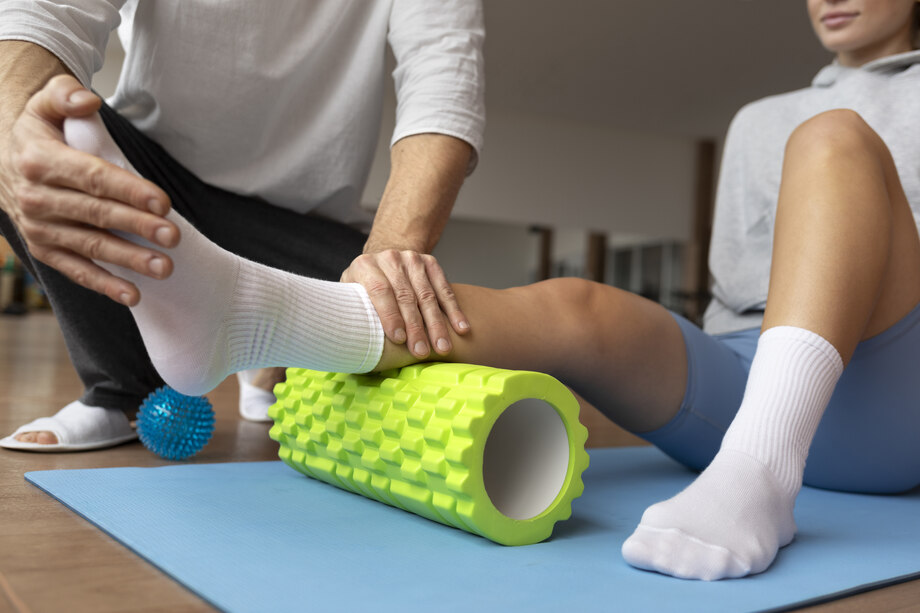
patient-doing-physical-rehabilitation-helped-by-therapists
Image by freepik.

A master’s program expands upon the education you learned at the undergraduate level. If you are just starting college or still in high school, it would be wise to pursue a bachelor’s degree that fulfills prerequisites for a master’s degree in exercise science or a related field. This is because by the time you earn your bachelor’s, having a master’s may well be the new minimum education requirement. 

A master’s degree program is also an option for individuals who earned a bachelor’s degree in an unrelated field. You will need to fulfill additional prerequisites that your undergraduate degree didn’t fulfill, and then go on to earn a master’s that allows you to sit for the board certification exam. 

RELATED: Low-Impact Exercises for Post-Injury Training

3. Pass the Board of Certification (BOC) Exam

As you might’ve known or guessed, there is a certification exam involved in becoming an athletic trainer. It is called the Board of Certification Exam or BOC Exam. 

This exam is comprehensive and it is the only recognized certification exam for athletic trainers. It’s accredited by the National Commission for Certifying Agencies (NCCA). 

To sit for it, you must have either: 

  • Earned your CAATE-accredited bachelor’s or master’s degree, or
  • Be in the final semester of your CAATE-accredited bachelor’s or master’s degree program and have received confirmation on your exam application by the program director that you will earn the degree.

RELATED: A CPT’s Take on NSCA Certifications

4. Apply for and Earn State Licensure

After passing the BOC exam, you can apply for state licensure. The requirements for licensure vary by state, so be sure to check with your state board to ensure you meet all of the requirements. 

5. Complete a Residency or Fellowship

Now it’s time to gain some clinical experience. While this step is not a requirement to become a licensed athletic trainer—you’ll do that before you get to this step—completing a residency or fellowship is often a prerequisite for obtaining employment. In a residency or fellowship, you’ll complete a predetermined number of hours in clinical practice, supervised by a physician. Learn more about residency and fellowship training from the CAATE.

RELATED: What is ACE Certification? A Review of the CPT Course

soccer players during a soccer match
Image by Stanely Morales on Pexels

6. Earn Continuing Education Credits

Athletic trainers are required to engage in continuing education in order to maintain their certification and license. The Board of Certification generally requires ATs to earn 50 continuing education hours every two years; however, this can change, so definitely stay up-to-date with the BOC to ensure you’re on track to meet requirements during each recertification cycle. 

Individual states can set forth their own continuing education requirements as well. Maintenance of your credential also requires you to stay up-to-date on emergency cardiac care (ECC) and provide proof of a current ECC card at the time of renewal.

7. Become a Member of the National Athletic Trainers’ Association (Optional) 

Becoming a NATA member provides ATs with opportunities for professional development, continuing education, advocacy, networking, and professional support resources. It’s not necessary to become a member, but you may find it helpful in your career. Membership dues vary by state and whether you’re a professional or student.

RELATED: Barbell Safety: How to Prevent Injuries While Working Out

8. Earn a Post-Professional Degree (Optional)

If you desire, you can also continue your professional education and earn a doctorate in athletic training. This path would be a good option for individuals who wish to teach or work in academia, or conduct scientific research related to athletic training.

How to Become an Athletic Trainer: Final Thoughts 

Becoming an athletic trainer requires a serious commitment to the career path and many years of schooling. Currently, a bachelor’s degree from an accredited program is the minimum educational requirement, but a master’s degree from an accredited program will soon be the minimum requirement. 

Additionally, ATs must pass the BOC exam to earn national certification, and apply for licensure with their state; state requirements vary. Continuing education is required to maintain your certification and license, and post-graduate professional programs are encouraged. 

How to Become an Athletic Trainer: FAQs

Is an athletic trainer the same as a personal trainer?

No, an athletic trainer and a personal trainer are not the same. The educational requirements and job duties differ vastly. While an athletic trainer is a state-licensed professional who must complete an accredited degree program and works in conjunction with physicians, a personal trainer is someone who helps their clients engage in safe and effective physical activity to reach their health and fitness goals. Athletic trainers work in clinical settings or with sports teams, while personal trainers typically work in fitness centers or own their own businesses. 

If you want to become a personal trainer, take a look at our guide to the best personal training certifications.

Is an athletic trainer the same as a physical therapist?

No, a physical therapist is not the same as an athletic trainer. Although both types of professionals work with injured individuals, the athletic trainer focuses on injured athletes. Additionally, physical therapists are qualified to work in a greater realm than injury prevention and rehabilitation. They work with individuals who have neurological and motor conditions, musculoskeletal disorders, chronic disease, cancer, and more.

How much do most athletic trainers make?

According to the Bureau of Labor Statistics (BLS), the median pay for athletic trainers in 2022 was about $53,800. This includes data from both full-time and part-time providers. The BLS projects job growth for ATs to reach 14% by 2032, which it says is “much faster than the average for all occupations.”

How long does it take to become an athletic trainer?

It takes at least four years to become an AT, but often longer. According to NATA, the majority of athletic trainers today hold a master’s degree, which is soon to become the new minimum requirement.
Further Reading

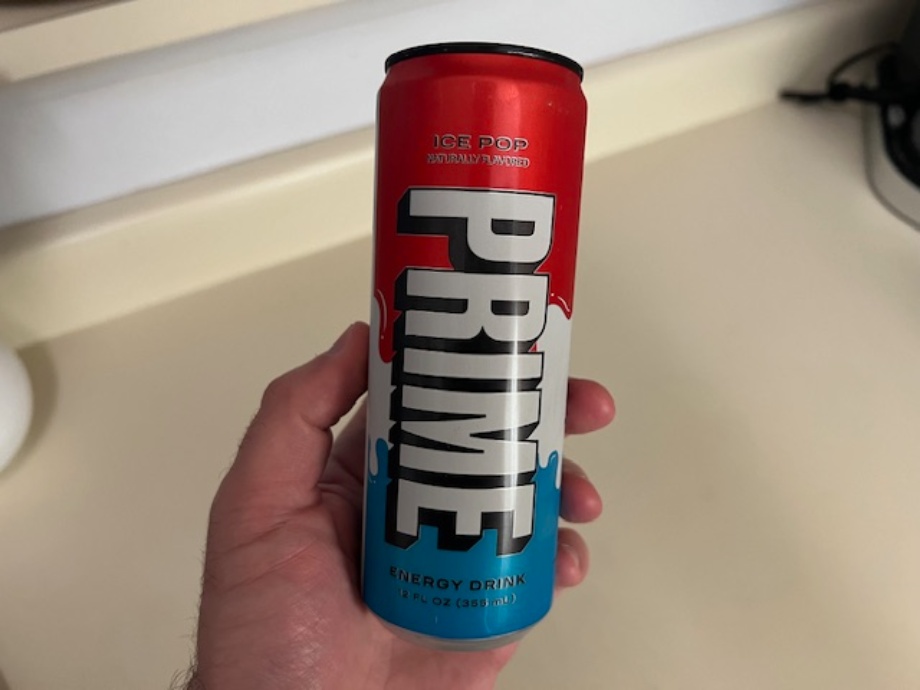
PRIME Drink Review (2026): Our Verdict on the Buzzy Logan Paul Drink

PRIME Drink Review (2026): Our Verdict on the Buzzy Logan Paul Drink

A sports nutrition expert reviews the Logan Paul-owned energy drink brand to assess if the real deal is really worth all the hype in this PRIME Drink review.
Read More
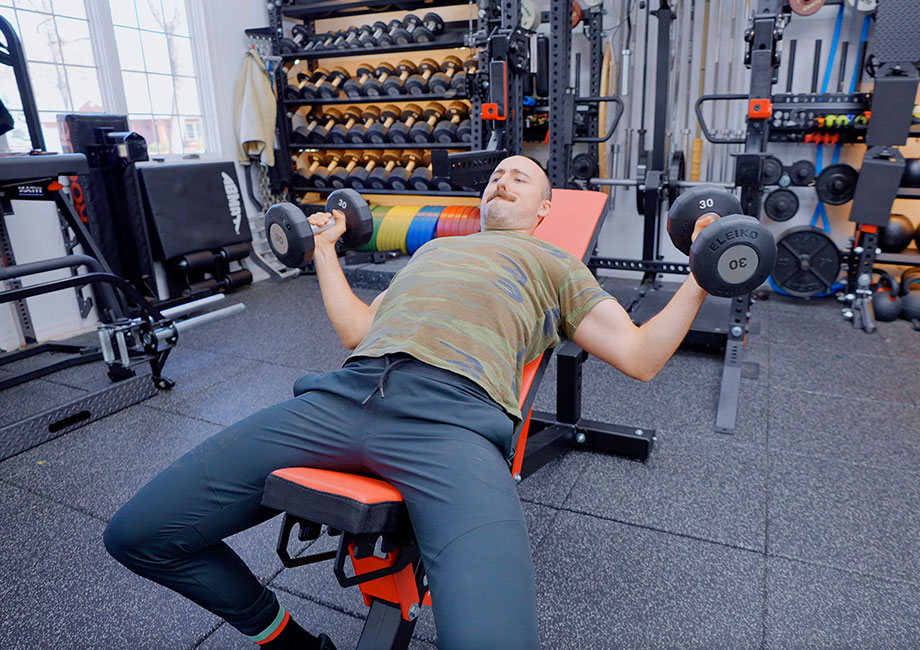
Cable Fly Alternatives: 10 Ways to Build a Bigger Chest Without a Cable Machine

Cable Fly Alternatives: 10 Ways to Build a Bigger Chest Without a Cable Machine

Don’t have access to a cable machine? From the bench press to the chest dip, build bigger, stronger pecs with these trainer-approved cable fly alternatives.
Read More
Do You Really Need 10,000 Steps a Day? 

Do You Really Need 10,000 Steps a Day? 

You have probably heard that you should get in 10,000 steps a day, but evidence suggests otherwise.
Read More
Schwinn Airdyne Pro Review: Best Air Bike Yet?

Schwinn Airdyne Pro Review: Best Air Bike Yet?

The Schwinn Airdyne Pro is the best air bike currently available. We've tested and reviewed all of the major offerings and chose the AD Pro as our top pick. The belt drive system combined with the overall build quality make the AD Pro superior to the rest.
Read More

On This Page

What Does an Athletic Trainer Do?
1. Earn an Accredited Bachelor’s Degree 
2. Earn an Accredited Master’s Degree
3. Pass the Board of Certification (BOC) Exam
4. Apply for and Earn State Licensure
5. Complete a Residency or Fellowship
6. Earn Continuing Education Credits
7. Become a Member of the National Athletic Trainers’ Association (Optional) 
8. Earn a Post-Professional Degree (Optional)
How to Become an Athletic Trainer: Final Thoughts 
How to Become an Athletic Trainer: FAQs

Connect With Your Community

  • Facebook
  • Instagram
  • YouTube
  • https://www.google.com

Get the Latest Reviews & Updates

  • About
  • Careers
  • Privacy Policy
  • Terms of Service
  • Expert Panel
  • Affiliate Disclosure
  • Contact
  • Do Not Sell My Info
Reviews
  • Bells of Steel Olympic Weightlifting Barbell 2.0 Review (2026): Impressive Performance for the Price 

  • Ironmaster Quick-Lock Adjustable Kettlebell Review (2026): Is This Solid Kettlebell Handle Worth the Cost?

  • Giant V3 Kettlebell Review (2025): A Bell That’s Big on Quality, Bigger on Performance

  • Aviron Strong Go Rower Review (2026): Gamified Rowing on a Budget

  • Iron Bull Rubber Hex Dumbbells Review (2026): Classic Dumbbells With a Comfortable Grip

Equipment
  • Best High-Protein Meal Delivery (2026): 8 Options That Can Help You Build Muscle And Stay Full

  • The Best Home Saunas (2026): A Heated Approach to Recovery

  • Best Kettlebells (2026): 7 Expert-Tested Picks for Swings, Squats, and More

  • The 10 Best Functional Trainers for Your Home Gym (2026)

  • Best Pull-Up Bars (2026): Build Your Back (and More) With Our Top Picks

Guides
  • What Is Pre-Workout? An RD Reveals the Gym Juice Scoop

  • Guide to Protein Powder: Scoop the 411 From an RD

  • Infrared Saunas Buyer’s Guide: Everything You Need to Know to Break a Sweat With Confidence

  • The Ultimate Sauna Guide: Expert Tips on Benefits, How to Use, and More

  • What Foods Have Probiotics? Colon-Ize Your Plate with Help From a Dietitian

DIY
  • Your Expert Guide to Making Budget-Friendly DIY Ankle Weights  

  • Homemade Protein Powder: The Right Whey to Do Home-Cooked Protein

  • Building a DIY Rowing Machine: How to, Why, and Should You?

  • Try These DIY Cold Plunge Ideas To Jump-Start Your Recovery 

  • DIY Mass Gainer: You Make the Shake, and Your Body Makes the Muscle

The Most Trusted Voice in Fitness

© Garage Gym Reviews 2023 | All Rights Reserved.

GGR

  • About
  • Careers
  • Privacy Policy
  • Terms of Service
  • Expert Panel
  • Affiliate Disclosure
  • Contact
  • Do Not Sell My Info

The Most Trusted Voice in Fitness

© Garage Gym Reviews 2026 | All Rights Reserved.

Reviews
  • Bells of Steel Olympic Weightlifting Barbell 2.0 Review (2026): Impressive Performance for the Price 
  • Ironmaster Quick-Lock Adjustable Kettlebell Review (2026): Is This Solid Kettlebell Handle Worth the Cost?
  • Giant V3 Kettlebell Review (2025): A Bell That’s Big on Quality, Bigger on Performance
  • Aviron Strong Go Rower Review (2026): Gamified Rowing on a Budget
  • Iron Bull Rubber Hex Dumbbells Review (2026): Classic Dumbbells With a Comfortable Grip
Equipment
  • Best High-Protein Meal Delivery (2026): 8 Options That Can Help You Build Muscle And Stay Full
  • The Best Home Saunas (2026): A Heated Approach to Recovery
  • Best Kettlebells (2026): 7 Expert-Tested Picks for Swings, Squats, and More
  • The 10 Best Functional Trainers for Your Home Gym (2026)
  • Best Pull-Up Bars (2026): Build Your Back (and More) With Our Top Picks
Guides
  • What Is Pre-Workout? An RD Reveals the Gym Juice Scoop
  • Guide to Protein Powder: Scoop the 411 From an RD
  • Infrared Saunas Buyer’s Guide: Everything You Need to Know to Break a Sweat With Confidence
  • The Ultimate Sauna Guide: Expert Tips on Benefits, How to Use, and More
  • What Foods Have Probiotics? Colon-Ize Your Plate with Help From a Dietitian
DIY
  • Your Expert Guide to Making Budget-Friendly DIY Ankle Weights  
  • Homemade Protein Powder: The Right Whey to Do Home-Cooked Protein
  • Building a DIY Rowing Machine: How to, Why, and Should You?
  • Try These DIY Cold Plunge Ideas To Jump-Start Your Recovery 
  • DIY Mass Gainer: You Make the Shake, and Your Body Makes the Muscle