

Becoming a personal trainer is a rewarding educational experience that allows you to help others make impactful, positive lifestyle changes by improving their health and fitness. The job market for personal trainers is growing rapidly, with the Bureau of Labor Statistics reporting that the job market for “fitness trainers and instructors” is projected to grow 7% from 2025 to 2035.
If you’re ready to become a personal trainer, researching your options for training courses is a good place to start. In this guide to the best personal training certifications, I cover 11 of the top personal trainer certification programs and rank them according to several factors, including:
- Accreditation
- Study programs and available options
- Time commitment
- Exam format
- Continuing education requirements
- Student support
Best Personal Training Certifications of 2026
- Best Personal Training Certification Overall – NASM Personal Training Certification Course
- Best Online Personal Training Certification – IPTA CPT Certification
- Best Personal Training Certification for Student Support – ISSA CPT Certification
- Best Hands-On Personal Training Certification – National Personal Training Institute
- Best Personal Training Certification for Future Specialization – ACE CPT Certification
- Best Personal Training and Nutrition Certification – Fitness Mentors
- Best Value Personal Training Certification – NCSF Certification
- Best Personal Training Certification to Work with Athletes – NSCA-CPT Certification
- Best Affordable Personal Training Certification – NFPT Certified Personal Trainer Course
- Best Certification for Working in Clinical Settings – ACSM Certified Personal Trainer Course
- Best Certification with Long Recertification Terms – NESTA PFT Certification
Current Top Deals
- NASM Personal Training Certification Course – Up to 55% off Bundles
- ISSA CPT Certification – Labor Day savings are here – Save up to $210 on CPT Bundles!
What Does a Personal Trainer Do?
A personal trainer is an exercise professional who, in the simplest of terms, helps people train for fitness. Personal trainers can specialize in dozens of different disciplines from endurance training to Olympic weightlifting, CrossFit, bodybuilding, and beyond. They can also choose to train individuals from specific populations, such as people who are battling cancer, people who are pre- or postpartum, people who are managing a chronic disease, or something else.
Or, a personal trainer can choose to work with the general public and train clients from all types of backgrounds. It’s really up to the trainer and what type of clientele they feel called to train.
Certified personal trainers (CPTs) are fitness experts, specifically in the realms of exercise programming and exercise technique. A good personal trainer knows how to assess clients for movement patterns and limitations, implement behavior change strategies, program fitness training for different fitness goals and capabilities, and apply the principles of exercise physiology in an everyday setting.
Many CPTs own their own training businesses, but many prefer to work in settings such as health clubs or fitness centers. CPTs can also work in schools, for community programs, and in clinical settings (depending on their other qualifications).
Best Personal Training Certification Overall: NASM Personal Training Certification Course
Good for: Anyone who wants a well-rounded education and an industry-respected credential
Best Overall
NASM Personal Training Certification Course
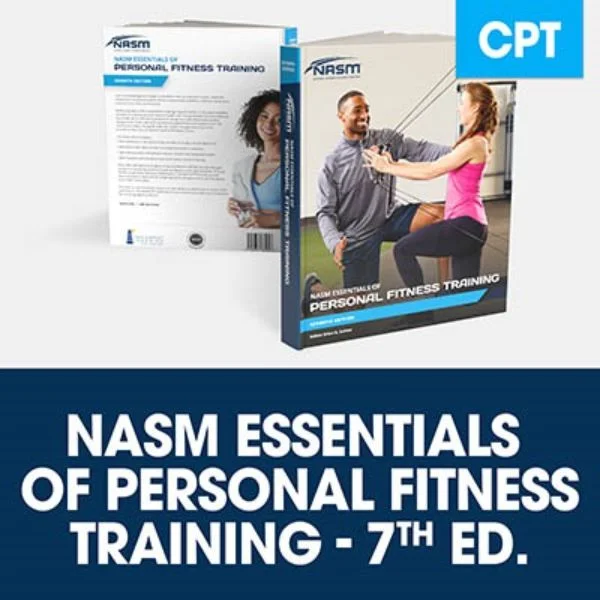
Product Highlights
- Various study packages offered
- New digital learning platform
- The foundation of the course is based on NASM’s Optimum Performance Training Model (OPT) which is a systematic approach to personal training for every type of clien
- Prerequisites – CPR and high school diploma or GED
- Covers behavioral change to assist clients with personal hurdles
- Focus on client assessments to develop plans best suited for each person
Pros & Cons
Pros
- Lots of study materials available: textbook, app, videos, and podcasts
- Built-in opportunities for post-certification internships
- NASM is NCCA-certified
- Discounts often available
- Financing available
- Options for remote or in-person exam
- Other courses available for advanced learning
- Bundle CPT with nutrition and other courses for a discount
Cons
- Higher cost than some other certification programs
- Textbook not included in two most basic packages
- Textbook/online training modules alone may not prepare you well for exam
- Short time frame to take the exam, especially if you work full-time
Bottom Line
NASM’s digital CPT program is a highly reputable and in-depth certification program for anyone looking to become a personal trainer.
Even if you’re just starting to research how to become a personal trainer, you’ve likely already come across NASM—the National Academy of Sports Medicine. That’s because NASM is a highly respected leader in fitness certification and provides a well-designed, thorough online personal trainer certification program that results in an accredited credential accepted by most major employers in the industry.
Two of our testers—Kate Meier, former GGR head of content, and Anthony O’Reilly, former GGR performance editor—are NASM-certified personal trainers.
RELATED: NASM Review: A NASM-Certified Trainer Explains the CPT Course
The NASM personal trainer course involves a self-paced, online course with well-structured chapters and access to practice exams to ensure you’re ready to take the final test. There are three options you can purchase:
- Self-Study, for $899, which includes full access to the online course materials and your exam fee
- Premium Self-Study, for $1,399, which also gives you access to NASM mentors, as well as a job guarantee and a retest option if you don’t pass the exam on your first try
- All-Inclusive, for $1,999, which includes all of the above and also gives you a hardcopy textbook, a CPR/AED course (which you need to take, anyway), and a “Gymternship”
The job guarantee feature promises that NASM will help you find employment within 90 days of becoming certified, or you get a full refund. I really love the Gymternship, which is a unique component of NASM CPT programs. This option gets you 80 contact hours—actual hands-on personal training—at a NASM partner facility. It’s a really fantastic way to get your career started.
This pricing makes it one of the more expensive personal trainer certification options, but we think the level of industry respect that a NASM certification brings—and the detailed course material—sets you up for success.
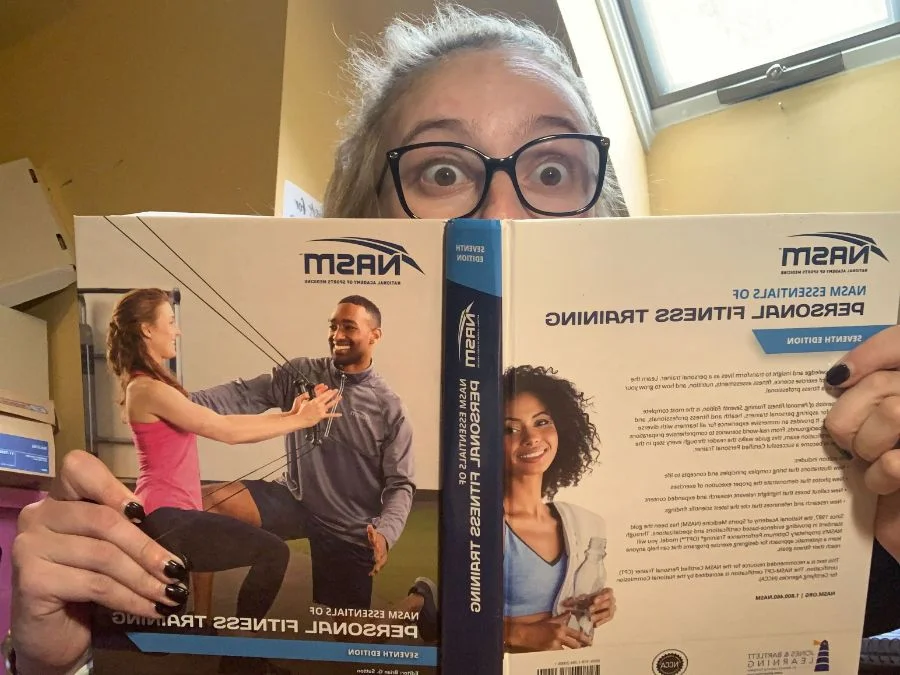
The course consists of six sections:
- Professional Development And Responsibility
- Client Relations And Behavioral Coaching
- Basic And Applied Sciences And Nutritional Concepts
- Assessment
- Exercise Technique And Training Instruction
- Program Design
NASM uses the Optimum Performance Training (OPT) Model as the basis for their curriculum. You’ll learn about this in sections five and six. This is where you will get into the nitty gritty of fitness programming, with an emphasis on performance for the everyday person and people with contraindications to exercise.
To sit for the NASM exam, you must meet the general requirements of any personal training certification course: be at least 18 years old, hold a high school diploma or equivalent, and hold a current and valid CPR/AED certification.
NASM does offer an at-home exam, but it is not proctored. Therefore, it does not result in the CPT credential. You will earn a “certificate of completion” if you choose this option, and you may be ineligible for employment at your employer’s discretion. To ensure you get the NCCA-accredited certification, take the proctored exam in a testing center.
RELATED: NASM Nutrition Coach Certification Review
| Price | $899, $1,399, $1,999 |
| Prerequisites | Be at least 18 years old, hold a high school diploma or equivalent, and hold a current and valid CPR/AED certification |
| Course length | Up to 6 months |
| Expected hours per week | As many as you need |
| Learning platform | Online |
| Exam format | Proctored, on a computer in a testing center or at home, not proctored |
| Recertification requirements | 1.9 CEUs plus CPR/AED renewal every two years |
Best Online Personal Training Certification: IPTA CPT Certification
Good for: Anyone who wants an accredited online course with plenty of study tools
Best Online
Best Personal Training Certifications (2026): 11 Top Options Ranked by a Certified Trainer
Product Highlights
- NCCA-accredited CPT certification
- Remote and in-person exam options
- Multiple interactive study resources
- Unlimited exam retakes are available with course completion
Pros & Cons
Pros
- NCCA-accredited CPT certification
- Remote and in-person exam options
- Multiple interactive study resources
- Unlimited exam retakes are available with course completion
Cons
- Guided study paths can feel a bit too fast
- Physical textbook is not included
- Current CPR/AED certification is required
- Exam-only candidates don't receive the full study package
Bottom Line
The IPTA CPT gives aspiring personal trainers an NCCA-accredited path into the industry, with flexible testing options and plenty of available study resources. We especially like the unlimited retakes offered with course completion, though candidates still need to meet age, education, and CPR/AED requirements before earning the credential.
Best Personal Training Certification for Student Support: ISSA CPT Certification
Good for: Individuals who would like more engagement and structured learning
Best for Student Support
ISSA CPT Certification
Product Highlights
- Personal training certification
- NCCPT-accredited CPT exam
- Online coursework and exams
- Monthly payment plan available
- CPR/AED certification required
Pros & Cons
Pros
- Access to a student forum
- Open book or proctored exam options
- Template for a free professional website
- Professional support even after you pass your exam
Cons
- Unclear if open book exam is not accredited
- Expensive price point
Bottom Line
The ISSA certified personal trainer (CPT) program offers an online self-paced certificate. When you’re ready to test you’ll have the option to take an open-book exam online or a closed-book, proctored NCCA-accredited exam. The program gives you access to a five-week course with live classes and a guide to studying.
Individuals who tend to struggle with self-learning should check out the CPT course from ISSA, the International Sports Sciences Association. There is only one study package you can buy, costing about $1,000, and it grants full access to the online course materials, which include:
- Online textbook
- Online practice quizzes
- Audio and video lectures
- Online workbook
- Online student forum
- Exam
- Access to a website builder to start your business
- Unlimited student support
- CPT Education Bootcamp
- Purpose Driven Training Model
The course is self-paced, but you have the option to follow ISSA’s guided 10-week program, which you can set up in the trainer education portal. This, combined with unlimited access to ISSA mentors and customer support as well as the online student forum, makes ISSA the best option for students who want more structure.

The ISSA CPT course covers all the fundamentals of personal training across six sections:
- Anatomy and Physiology
- Kinesiology and Biomechanics
- Health and Physical Fitness
- Program Development
- Nutrition
- Fitness For All
I appreciate that there are two sections dedicated to human movement—this is stuff that personal trainers really should know. Otherwise, it’s difficult or impossible to program modifications for injury, chronic disease, and other considerations.
Where ISSA could improve is in the assessment arena. According to the course outline, assessments are given just one chapter in section four, Program Development. Although I have not seen the course material in full, I think adequate teachings on client assessment and intake need more space than this.
Like NASM, ISSA also offers two exam options. You can take the NCCA-accredited exam in a testing center, or you can take the exam at home; the at-home option is accredited by the Distance Education Accreditation Commision (DEAC). Opting for the latter option means you will not receive an NCCA-accredited credential, and you may be denied employment at an employer’s discretion.
| Price | $999 |
| Prerequisites | Be at least 18 years old, hold a high school diploma or equivalent, and hold a current and valid CPR/AED certification |
| Course length | Up to 6 months |
| Expected hours per week | As many as you need |
| Learning platform | Online with options for guidance and hard copy materials |
| Exam format | Proctored, on a computer in a testing center or at home, not proctored |
| Recertification requirements | 20 hours every 2 years, plus CPR/AED renewal |
Best Hands-On Personal Training Certification: NPTI
Good for: Those who want hands-on training in a classroom setting
Best for Hands-On Learning
National Personal Training Institute
Product Highlights
- Hands-on education with teachers
- Flexible live training schedule
- 60 hours of mentorship after graduation
- Includes nutrition training
Pros & Cons
Pros
- Hands-on training
- 200 hours of in-person experience
- Flexible schedule
- Learn with other students
Cons
- Some may not have time for 200 hours of classroom training
- Pricing not disclosed
Bottom Line
The National Personal Training Institute provides hands-on training in a group setting for those wishing to become personal trainers. The program includes 200 hours of hands-on training, job placement assistance, and continued mentorship after graduation.
Best Personal Training Certification for Future Specialization: ACE CPT Certification
Good for: Aspiring fitness trainers who want to specialize in a specific niche
Best for Future Specialization
ACE CPT Certification
Product Highlights
- Personal trainer certification
- 6-month timeline to complete program
- CPR/AED certification required
- 90,000 ACE CPT professionals globally
Pros & Cons
Pros
- Live, remote proctored exams available
- Straightforward program guidelines
- Ability to sign up for a free preview
- NCCA-accredited program
Cons
- Hard copy textbook costs extra
- 2-year recertification cycle
Bottom Line
ACE certified personal trainers will learn the fundamentals and scope of practice for CPTs. You’ll need to be at least 18 years old, have a high school diploma, and a CPR/AED certification. From there, you can study and sit for the ACE CPT exam. The certification is NCCA-accredited and over 90,000 fitness professionals also have their ACE certification.
The American Council on Exercise (ACE) is the way to go if you intend to continue your education as a personal trainer and become a certified specialist in a specific niche. I say this because I believe that the ACE certification is the best when it comes to training special populations.
RELATED: What Is ACE Certification? A Full Review
The term “special populations” in fitness essentially refers to \ anyone who has any contraindication to exercise. A contraindication is something, such as a health condition, that prevents a person from doing all or some types of exercise. For instance, high blood pressure is considered a contraindication to heavy lifting, and a person with high blood pressure would need exercise modifications to ensure their blood pressure doesn’t skyrocket to a dangerous level.
I am an ACE-certified personal trainer, and I can confirm that ACE does a wonderful job of preparing personal trainers to work with clients from all backgrounds with varying contraindications to exercise. There is an entire section dedicated to this, and it covers:
- Cardiovascular disorders: coronary artery disease, hypertension, stroke, peripheral vascular disease, dyslipidemia
- Diabetes: Type 1, Type 2, and gestational
- Metabolic syndrome
- Cancer
- Asthma
- Osteoporosis
- Arthritis
- Fibromyalgia
- Chronic fatigue syndrome
- Low back pain
- Weight management
- Seniors
- Youth
- Pre- and postpartum
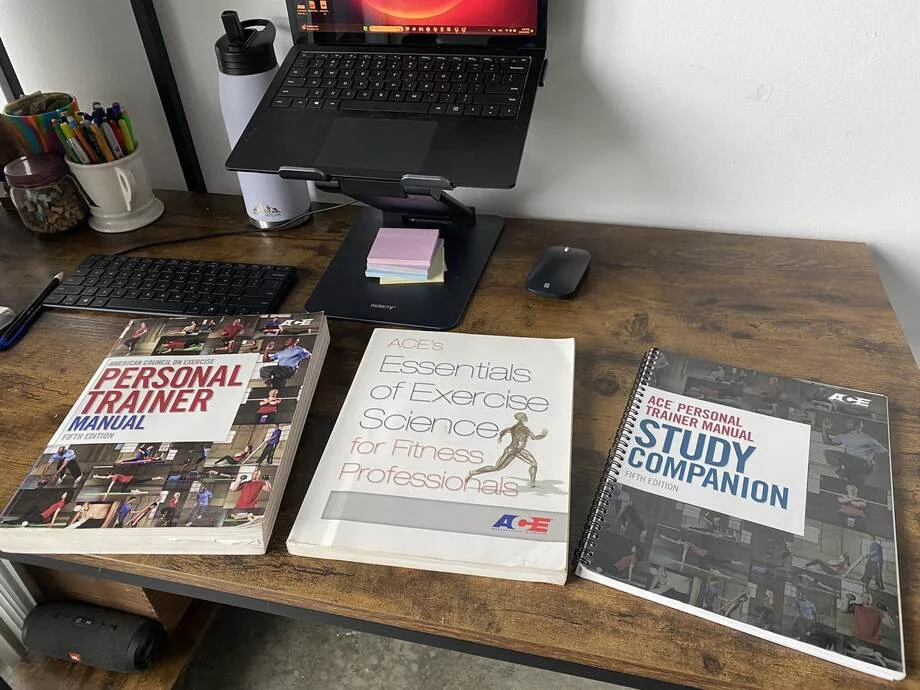
Additionally, ACE offers several specialist certifications, should you want to continue your education to become more adept at training a certain population. ACE specialist certs include:
- Medical Exercise Specialist
- Fitness Nutrition
- Senior Fitness
- Corrective Exercise
- Functional Training
- Weight Management
- Behavior Change
- Sport Performance
- Youth Fitness
- Pilates Unlimited
- Function First Pain-Free Movement
- Cancer Exercise Training Institute
- Size Inclusive Fitness
- The BioMechanics Method Corrective Exercise
The ACE CPT course is thorough with 17 chapters covering everything you need to know as a new personal trainer. In addition to program design, anatomy, physiology, contraindications, assessment, and progression, you will also learn about the principles of behavior modification to drive adherence among your clients. ACE also includes information on building a personal trainer business, including legal and insurance considerations.
There are three study packages to choose from, ranging from a basic self-paced course to live webinars and study groups. You have six months to schedule your exam from the day you purchase a study package. In most cases, you can schedule your exam up to 60 days out, so this gives you a total of about eight months to study. ACE offers an at-home exam option through live remote proctoring, and it is NCCA-accredited, so you can test from home without sacrificing your credential.
RELATED: ACE Vs NASM
| Price | $675, $745, $975 |
| Prerequisites | Be at least 18 years old, hold a high school diploma or equivalent, and hold a current and valid CPR/AED certification |
| Course length | Up to 8 months |
| Expected hours per week | As many as you need |
| Learning platform | Online + hard copy materials available |
| Exam format | Proctored, on a computer in a testing center or at-home with a live remote proctor |
| Recertification requirements | 2.0 CEUs plus CPR/AED renewal every two years |
Best Personal Training and Nutrition Certification: Fitness Mentors
Good for: Those who want nutrition expertise to complement their training knowledge
Best Personal Training and Nutrition Certification
Fitness Mentors
Product Highlights
- Certified personal trainer course
- All online
- NCAA accreditation option
- 20 CEUs required to recertify
- 2-hour exam
Pros & Cons
Pros
- Affordable
- NCAA-accredited option
- Online learning provides flexibility
Cons
- Some learner prefer hard copies of study materials
- Self-study may be hard for some
Bottom Line
Fitness Mentors is an affordable, NCAA-accredited, all-online CPT course. It will take three to four months to complete with just five hours of studying per week. You’ll also have the option to bundle a nutrition specialist course with the CPT course, which is a great option for those who want to also give nutritional advice to clients.
Best Value Personal Training Certification: NCSF Certification
Good for: Earning an accredited credential and getting a thorough education without spending thousands of dollars
Best Value
NCSF Certification
Product Highlights
- Certified personal trainer (CPT) course
- NCCA-accredited certification
- Hands-on and self-study modules
- Final exam online or at testing center
Pros & Cons
Pros
- Qualifies CPTs to work 1:1 or small groups
- Accredited by National Commission for Certifying Agencies (NCCA)
- Complete exam prep and materials
- Payment plans available
Cons
- 2-year recertification cycle
- Course does not require CPR/AED
Bottom Line
The Certified Personal Trainer certification through the National Council on Strength and Fitness is a NCCA-accredited program recognized by many top health clubs like 24 Fitness, OrangeTheory Fitness, Planet Fitness, and Gold’s Gym. This course will qualify you to work with clients one-on-one and in small groups. The exam covers general exercise science, program design, nutrition, training instruction, and special populations to name a few.
For a solid education on a budget, look to the National Council on Strength and Fitness, or NCSF. The NCSF offers NCCA-accredited study packages for $399 or $449, as well as course bundles for $649 (CPT plus sport nutrition specialist) and $699 (CPT plus certified strength coach).
Not only are these programs affordable, but you can take as long as you need to study for the exam, unlike with other courses that have a set timeline. According to the NCSF, “The only time restriction within the entire process is that the exam must be taken within six months of the initial test registration date.”
So, this means you could theoretically study for six months or more, then register for your exam, and study for another six months. However, it’s unclear if this is the case when you purchase a study package, since the package includes an exam voucher. There might be an expiration date to the exam voucher, but that information isn’t disclosed as far as I can tell on the website. So, if you want to study with no deadline, you should buy the study materials individually and then purchase the exam when you are ready.
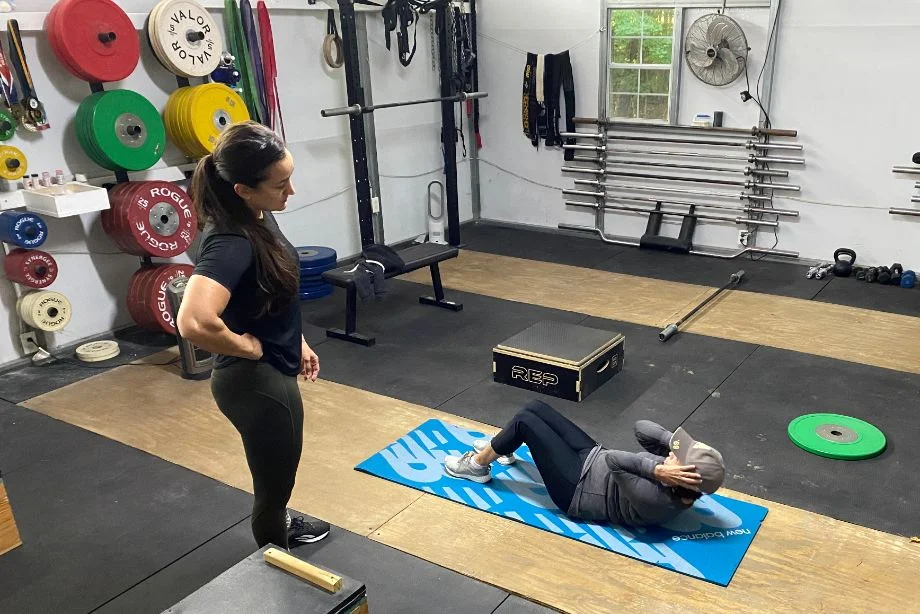
The NCSF CPT curriculum is split into six sections, covering:
- Today’s Society and the Healthy Lifestyle
- Applied Exercise Science and Biomechanics
- Health, Fitness and Performance Assessment
- Foundational and Applied Nutritional Science
- Foundations of Advanced Program Design
Within each section, there are several chapters covering various aspects of human movement, but there is little material dedicated to aspects of training such as behavior change, adherence, habit formation, and client communication.
The NCSF offers two NCCA-accredited exam options: at home or in a testing center near you. You can choose your option when you register for the test. To maintain your certification, you’ll need to earn 2.0 CEUs every two years (about 20 hours), including your CPR/AED renewal. For NCSF, CPR/AED renewal counts as two hours or 0.2 CEUs, which is nice. Not every agency includes CPR as CEUs.
| Price | $399 to $699 |
| Prerequisites | Be at least 18 years old, hold a high school diploma or equivalent, and hold a current and valid CPR/AED certification |
| Course length | As long as you need (but 6 months from registering for your exam) |
| Expected hours per week | As many as you need |
| Learning platform | Online + hard copy materials available |
| Exam format | Proctored, on a computer in a testing center or at-home with a live remote proctor |
| Recertification requirements | 2.0 CEUs plus CPR/AED renewal every two years (CPR/AED counts as 0.2) |
Best Personal Training Certification to Work with Athletes: NSCA-CPT Certification
Good for: People who want to eventually earn an advanced credential related to sport performance
Best for Working with Athletes
NSCA-CPT Certification
Product Highlights
- Certified personal trainer exam
- NCCA-accredited program
- 155-question exam
- Study materials sold separately
Pros & Cons
Pros
- NCCA-accredited program
- Provides accurate scope of practice
- In-depth approach to 1:1 coaching
- Multiple-choice question exam
Cons
- Study materials are separate from exam fees
- Exam fees are higher for non-NSCA members
- In-person exam only
Bottom Line
The certified personal trainer program from the National Strength and Conditioning Association (NSCA-CPT) offers an in-depth approach to coaching clients for safe and effective fitness programs. You’ll need to be CPR/AED certified to sit for the exam, be 18 years of age or older, and have a high school diploma. The NSCA-CPT exam is taken in-person at a proctored Pearson VUE testing center.
The National Strength and Conditioning Association, perhaps best known for its Certified Strength and Conditioning Coach (CSCS) credential, also offers a personal training credential. True to NSCA nature, this CPT course is very science-heavy, so we recommend it to prospective trainers who are interested and invested in kinesiology, anatomy, and physiology.
RELATED: NASM Vs NSCA
For instance, you will need to be able to understand and explain training adaptations that occur via exercise, and not just to the muscles, but also tendons, ligaments, fascia, bones, cartilage, and adipose tissue (fat). You will also need to thoroughly understand how exercise impacts body systems, including the neuromuscular, cardiovascular, musculoskeletal, metabolic, endocrine, and psychological systems.
You’ll then need to know how to apply those learnings to exercise programming and develop effective training protocols based on the client’s or athlete’s contraindications, goals, and needs. As such, we believe that the NSCA CPT certification prepares you to understand the training needs of athletes and high-performance individuals.
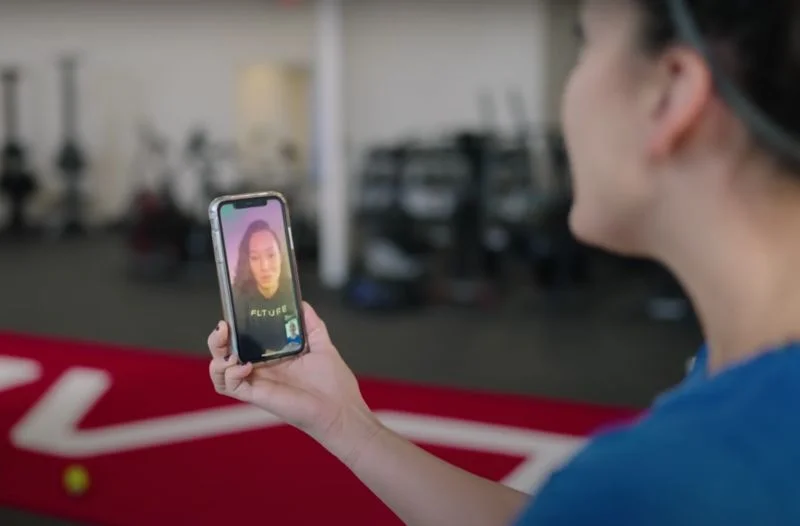
As for study materials, they’re all à la carte. You can purchase the NSCA-CPT study guide, NSCA-CPT quizzes and practice test, Exercise Technique Manual, and Essentials of Personal Training textbook individually. Or, you can purchase the online study course, which includes Essentials of Personal Training and a guided study plan with year-long access from the date of purchase.
If you buy materials individually, you have lifelong access for as long as you want to study before registering for the exam. Once you register for the exam, you have a maximum of 120 days to take it. NSCA does not currently offer an at-home proctored testing option, so plan to go to a local testing center.
One thing you should know about the NSCA-CPT is that the recertification process is different from other agencies. The NSCA runs three-year recertification cycles, and every NSCA-certified CPT must earn 6.0 CEUs (about 60 hours) by the end of the three-year cycle. Every cycle ends on December 31.
This averages out to about 2.0 CEUs (20 hours) per year, which is more than average. Upon earning your initial certification, the amount of CEUs you need is prorated for that cycle.
| Price | $800 or less |
| Prerequisites | Be at least 18 years old, hold a high school diploma or equivalent, and hold a current and valid CPR/AED certification |
| Course length | As long as you need (but 120 days from registering for your exam) |
| Expected hours per week | As many as you need |
| Learning platform | Mostly books and quizzes |
| Exam format | Proctored, on a computer in a testing center |
| Recertification requirements | 6.0 CEUs every 3 years, plus CPR/AED renewal |
Best Affordable Personal Training Certification: NFPT Certified Personal Trainer Course
Good for: Aspiring personal trainers on a budget
Most Affordable
NFPT Certified Personal Trainer Course
Product Highlights
- Affordable CPT exam
- Inexpensive study options
- Free CEU options
- Up to 1 year to prepare for exam
- NCCA-accredited credential
Pros & Cons
Pros
- Affordable exam fee and study packages
- Instant test results
- NCCA-accredited
- Free CEU options
- No CEU petition fees
- Printed textbook available
- At-home proctored test option available
Cons
- Not much opportunity for student engagement during exam prep period
Bottom Line
The NFPT personal trainer course is one of the most affordable ways to earn your CPT credential. And don't think that you're missing out on anything by choosing an inexpensive option: The NFPT exam covers all of the need-to-know essentials so you can start your training career off right and successfully guide clients toward their goals.
Education isn’t cheap, and it’s part of what makes starting a new career so difficult. Luckily, the NFPT offers affordable personal training certification courses. If you’re already well-versed in the essentials of personal training and human movement, you can purchase the exam alone for $249, which is less expensive than most other agencies’ exam fees (and some agencies don’t offer this option, at all).
If you do need study materials, you can choose from two affordable packages: Standard for $379, or Premier for $499. These price points make the NFPT certification one of the most affordable on our list—and you’re not sacrificing anything for these prices. It’s still an NCCA-accredited program, and you have up to one year to take the exam (which is actually longer than average).
The Standard package includes:
- Exam content outline
- One exam attempt
- Digital trainer manual
- Digital workbook
- Online chapter quizzes
- Learn to be a virtual trainer course
- Essential forms for your business (assessments, screenings, waivers, consent forms)
The Premier package includes everything in the Standard package, plus a hard-copy book, two practice tests, exercise animations, client assessment videos, and NFPT expert trainers who are available for student support.
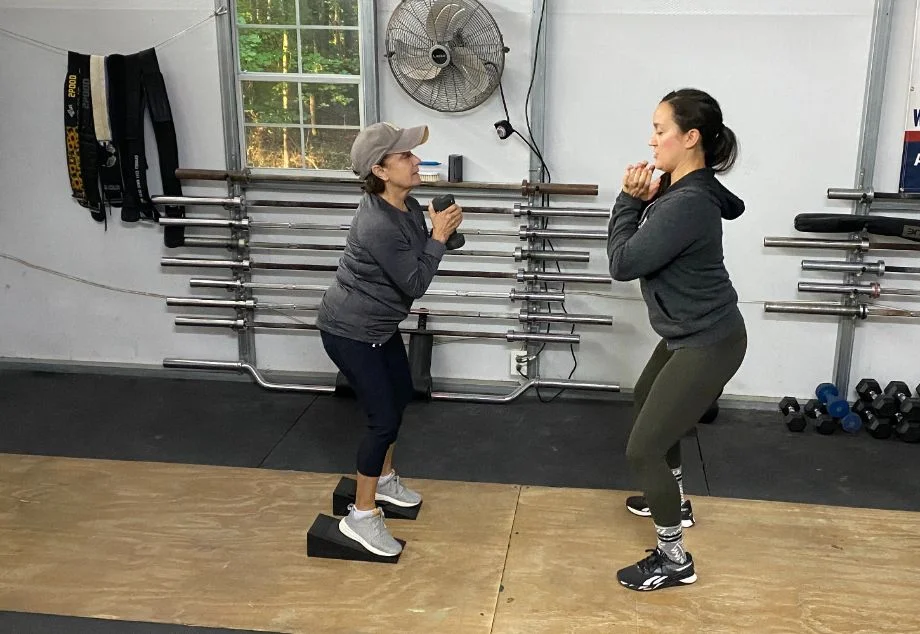
You may also purchase study materials individually if you don’t think you need a full online course.
To pass the NFPT exam, you’ll need to be well-versed in the following topical areas:
- Principles of Human Anatomy
- Principles of Human Physiology
- Fitness Components
- Training Program Development, Implementation, and Modification
- Professionalism and Communication Skills
Each section of the personal trainer manual corresponds with a section of the exam. There are multiple chapters within each section that dive into various aspects of human movement and fitness programming.
To recertify with NFPT, you’ll need to earn 2.0 CEUs every two years, and your CPR/AED renewal counts toward your total. Additionally, NFPT offers a whole range of unique CEU opportunities for NFPT-certified trainers, including credits for securing liability insurance coverage and attending trade shows. There are also free CEU options, which is a nice bonus, because continuing education can get expensive.
| Price | $249 to $499 |
| Prerequisites | Be at least 18 years old, hold a high school diploma or equivalent, and hold a current and valid CPR/AED certification |
| Course length | Up to 1 year |
| Expected hours per week | As many as you need |
| Learning platform | Online with hard copy materials available |
| Exam format | Proctored, on a computer in a testing center or at-home with a live remote proctor |
| Recertification requirements | 2.0 CEUs every 2 years |
Best Certification for Working in Clinical Settings: ACSM Certified Personal Trainer Course
Good for: People looking for in-depth education in physiology and anatomy
Best for Working in Clinical Settings
ACSM Certified Personal Trainer Course
Product Highlights
- NCCA-accredited personal trainer certification
- No time limit for studying
- Online and physical study materials available
- No guided course options
- Extensively covers anatomy, physiology, and exercise science
Pros & Cons
Pros
- NCCA-accredited credential
- Can buy study materials individually
- Affordable exam fee and materials
- Strong focus on lifestyle medicine
- At-home remote proctored exam option
Cons
- CEU requirement is higher than average (about 15 hours per year)
- No guided study options
Bottom Line
The American College of Sport Medicine is a respected name in the fitness industry and offers an NCCA-accredited personal training course and exam, Study materials can be purchased individually, and you can take as long as you need to prepare for the exam. The ACSM CPT program is a good option for anyone who wants to work with clientele who have contraindications to exercise and those who want to advance their career into exercise physiology.
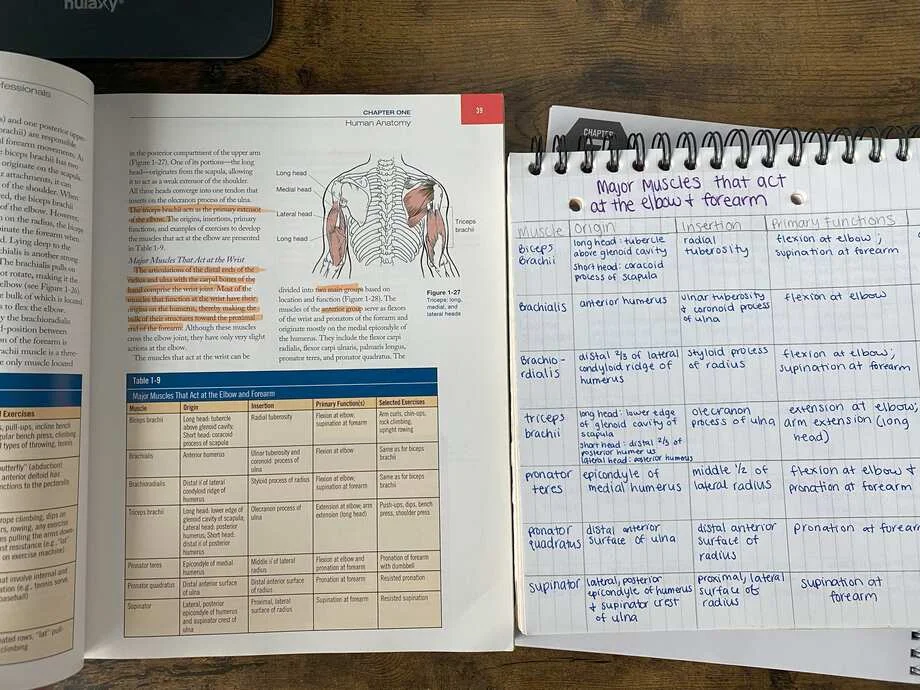
The American College of Sports Medicine (ACSM) is another highly respected and well-known educational institution in the fitness industry. With ACSM, you will learn the finer details of the body’s structures, including bones, joints, muscles, and other connective tissue, as well as the body’s various organs and systems.
Like the ACE certification course, the ACSM course expansively covers anatomy, physiology, exercise science, and special populations. This makes it a good option for people who hope to eventually specialize or pursue additional education in order to be qualified to work in clinical settings.
Typically, you will need additional credentials to work in any clinical setting, but the ACSM certification is a good starting point. For instance, if you’re pursuing a degree in an exercise-related field, you would also qualify (upon graduating) for ACSM’s certified exercise physiologist program (CEP), which would allow you to work in many more settings than a personal trainer.
The ACSM also has a heavy focus on exercise as a treatment protocol or as “lifestyle medicine,” and the course reflects that in its emphasis on disease prevention and risk factor reduction.
For studying, ACSM offers a course bundle, but I don’t recommend that option because there are restrictions around exam timing. If you buy the bundle, your exam voucher comes with it and expires at the end of the calendar year. So, if you purchase the bundle later in the year, you may not have ample time to study. This option could work if you purchase the bundle early in the year, however.
Still, I recommend buying study materials individually, because then you can study for as long as you want to and schedule the exam when you’re ready. Both exam options—in-person and at-home—are proctored and NCCA-accredited.
ACSM’s continuing education requirements are slightly above average. You must acquire 45 hours of continuing education every three years, which works out to about 15 hours per year.
| Price | $299 to $649 |
| Prerequisites | Be at least 18 years old, hold a high school diploma or equivalent, and hold a current and valid CPR/AED certification |
| Course length | As long as you need (unless you buy an exam voucher, which expires at end of year) |
| Expected hours per week | As many as you need |
| Learning platform | Online and hard copy study materials |
| Exam format | Proctored, on a computer in a testing center or at-home with a live remote proctor |
| Recertification requirements | 45 hours of CE every three years |
Best Certification with Long Recertification Terms: NESTA PFT Certification
Good for: Individuals who would like more time to recertify than the standard two years
Best for Long Recertification Terms
NESTA PFT Certification
Product Highlights
- Certified personal fitness trainer (PFT)
- NCCA-accredited program
- 4-year recertification cycle
- CPR certification required
Pros & Cons
Pros
- Longer 4-year recertification cycle
- Internationally recognized
- 65,000 PFT professionals globally
Cons
- Exam pricing starts at $349
- Additional costs for study materials
- In-person final exam
Bottom Line
The Certified personal fitness trainer (PFT) program from NESTA (National Exercise & Sports Trainers Association) is an NCCA-accredited certification with a four-year recertification cycle. While you’ll study at your own pace, you’ll have to take the 125-question, multiple choice final exam in a proctored testing center within 90 days of requesting exam eligibility.
NESTA, the National Exercise and Sports Trainers Association, offers the only NCCA-accredited personal training certification that is valid for more than two years. The NESTA CPT is valid for a whopping four years! So, if you want to extend your time for recertification, this is the best option for you.
Don’t get too excited, though: You still have to earn an average of 1.0 CEUs, or about 10 hours of education, every year. It’s just presented differently with the requirement being 4.0 CEUs every four years. Though it’s the same amount of education, it does end up saving you money in the long term, since you only have to pay your recertification fee every four years.
NESTA training is affordable, too, with pricing starting at $349 for just the exam. You can choose from two study packages: Plus, for $399, and Complete, for $697. Plus includes your exam fee and a digital textbook. Complete includes the exam fee, digital textbook, unlimited practice exams, digital and audio training, and chapter review quizzes.
You can take as long as you need to study, but once you request your exam eligibility (you must apply and show you meet the basic prerequisites), you have 90 days to take the exam. NESTA doesn’t offer an at-home exam yet, so you’ll have to go to a testing center.
The NESTA personal trainer manual includes 14 chapters of information, including:
- Introduction to Personal Training
- Exercise Physiology
- Kinesiology and Functional Anatomy
- Applied Biomechanics
- Flexibility
- Nutrition
- Special Populations
- Assessments
- Program Design
- Exercise Application
- Safety, Injury Prevention, and Treatment
- Exercise Psychology
- Business Strategies and Applications for the Certified Personal Trainer
| Price | $349 to $697 |
| Prerequisites | Be at least 18 years old, hold a high school diploma or equivalent, and hold a current and valid CPR/AED certification |
| Course length | As long as you need (but within 90 days of requesting exam eligibility) |
| Expected hours per week | As many as you need |
| Learning platform | Online |
| Exam format | Proctored, on a computer in a testing center |
| Recertification requirements | 4.0 CEUs every 4 years |
Other Personal Training Certifications We Researched
The options above represent the best, most well-known, and most respected personal training certification programs. If you want to become a fitness professional with a wide range of knowledge that qualifies you to train clients from a variety of backgrounds, we recommend one of the above. That said, here are a few other options available that may also be worth considering:
National Exercise Trainers Association (NETA): NETA offers an NCCA-accredited certification and low prices compared to some popular options. It’s definitely worth looking into if you’re on a tight budget.
Athletics and Fitness Association of America (AFAA): This agency is owned by NASM and offers a “personal fitness instructor” credential, not a personal trainer certification. It is similar, but not NCCA-accredited. The AFAA is geared more toward group fitness instructor certification programs.
American Sport and Fitness Association (ASFA): ASFA offers an interesting model: You only pay if you pass the exam. This sounds appealing, but the certification is not NCCA- or DEAC-accredited, so it may not be accepted by all employers. The certification is also only good for one year, and there are no CEU opportunities; you have to retest each year.
National Council for Certified Personal Trainers(NCCPT): This is an option for anyone who wants to take the NCCA-accredited personal trainer exam. It is not affiliated with an actual study program; aspiring personal trainers who have completed a degree program in exercise science, kinesiology, or similar would be a good candidate for this exam-only option.
How We Picked and Tested the Best Personal Trainer Certifications
Several members of our GGR editorial team are certified personal trainers. We’re certified through different agencies, so we collectively have hands-on experience with multiple certification organizations.
Additionally, I conducted thorough research for this guide, combing through the websites of each featured certifying agency to find details about the certification process, recertification requirements, study materials and options, learning format, accreditation, job guarantees, professional resources, exam pass rates, and more.
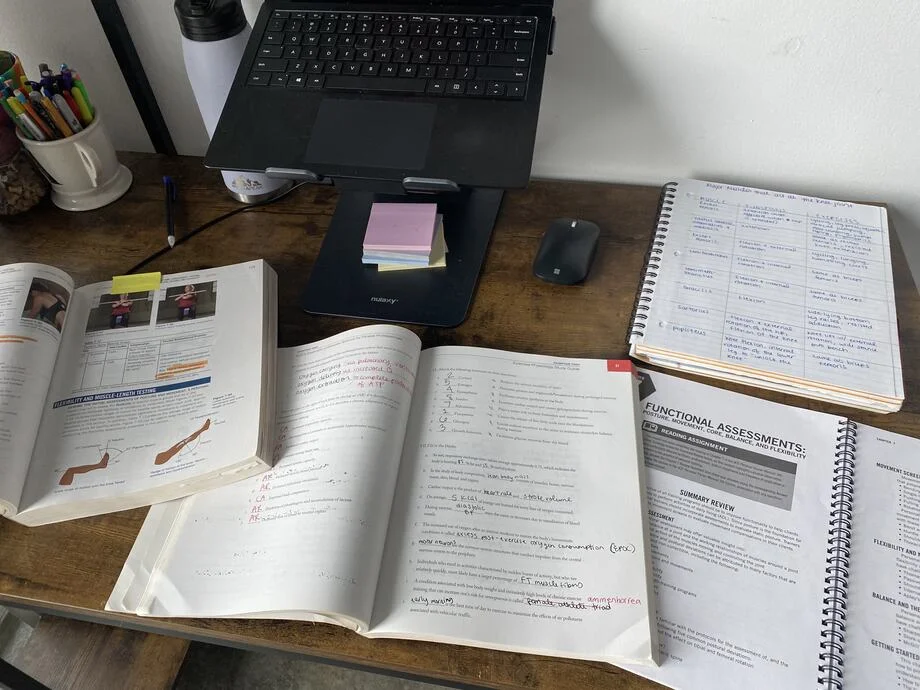
I rated each personal training certification against seven criteria, including:
- Price/value
- Course length
- Accreditation
- Continuing education
- Prerequisites
- Studying and learning options
- Final assessment format and options
Each course earned a score of 1 to 5 for each of the above categories, along an overall score based on the average of those seven ratings. The courses were given superlatives based on a standout feature or multiple standout features. For instance, the ISSA-CPT earned the title of “best for student support” due to its robust job placement guarantee, guided study options, and access to mentors and customer support.
Who Should Become a Certified Personal Trainer?
You should earn your personal training certification if you want to train individuals in any capacity, whether at a gym, virtually, or in a different setting.
Anyone who is interested in working in the fitness industry can become a personal trainer, even if your ultimate goal doesn’t involve directly training clients. While that’s a great place to start, many trainers end up doing something else after some time training “on the floor”—an expression that refers to the job of training an individual at a gym or in a similar setting.
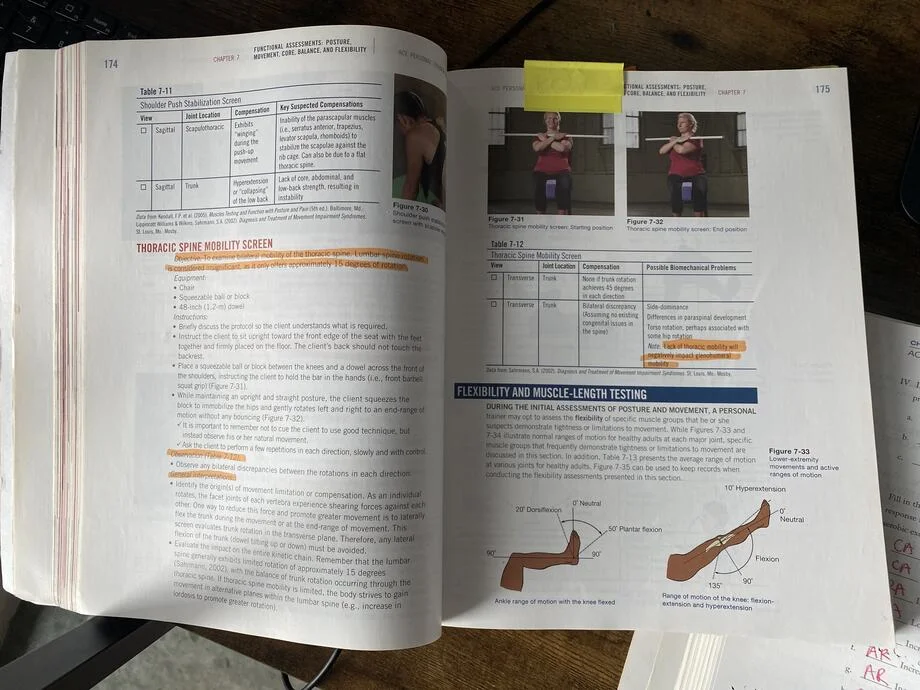
People who can benefit from earning this fitness certification include those who want to:
- Train individuals in any way, shape, or form in any setting, online or in-person
- Eventually take a specialist certification course, such as in corrective exercise or biomechanics
- Later become a certified strength and conditioning coach (CSCS) to work with athletes
- Become a fitness blogger or influencer
- Work in any fitness-related communications capacity, such as being a fitness journalist or working for a PR firm that focuses on fitness and wellness brands
- Become a health coach or nutrition coach, as the areas of expertise are very related and it helps to, at a minimum, understand the fundamentals of exercise physiology as a nutrition or health coach
Buying Guide: What to Look for in a Personal Training Program
This buyer’s guide can help you decide which cert to register for.
Cost
We rate cost according to the following methodology, which we developed based off the average cost of CPT education:
- 1 point = More than $3,000
- 2 points = $2,000 to $3,000
- 3 points = $1,000 to $2,000
- 4 points = $800 to $1,000
- 5 points = Less than $800
In addition to the overall price, look for payment plan opportunities. Most of the major agencies offer interest-free plans.
Prerequisites
In most cases, you need to be 18 years old; hold a high school diploma, GED, or equivalent; and hold a current and valid CPR/AED certification to sit for a CPT exam. Anything more than this is excessive for a basic personal trainer certification. For advanced certifications, such as the CSCS, you will need to meet additional prerequisites.
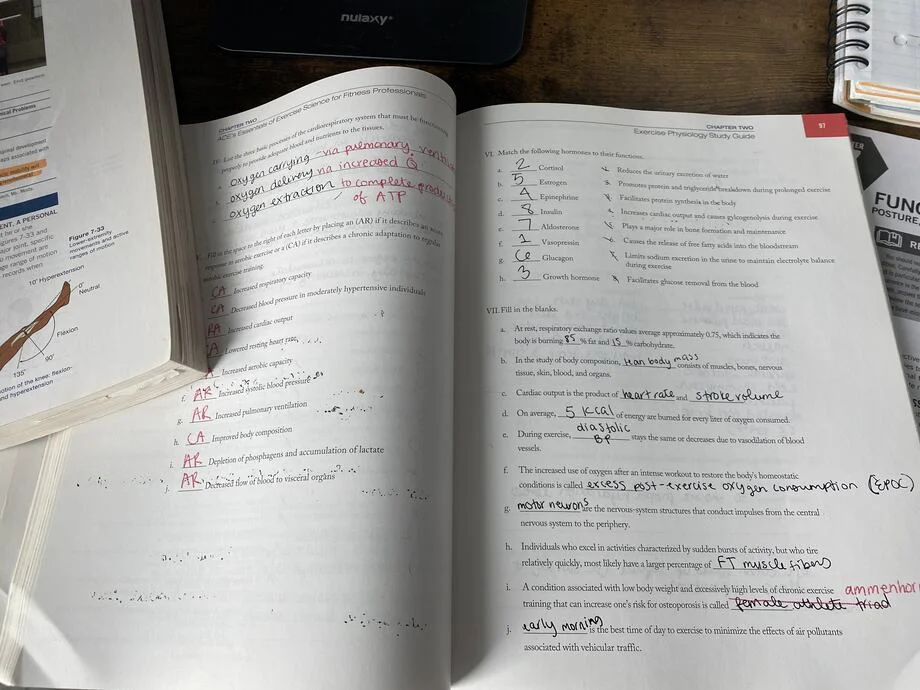
Course Length
Most CPT courses require you to take the exam within six months of enrolling in the program or purchasing the study package. Some timelines are longer, allowing for up to one year; others are completely self-paced in that you just purchase the study materials and then sign up for the exam when you’re ready. The best option for you depends on your schedule and learning style.
Course Material
Make sure the course material covers, at a minimum, the following topics:
- Personal trainer scope of practice
- Personal training ethics
- Human anatomy
- Exercise physiology
- Assessments for mobility, cardiovascular fitness, strength, and balance
- Cardiovascular training
- Strength training
- Mobility and flexibility training
- Balance and stability training
- Program design, including progressive overload and exercise modification
- Basics of behavior change
- Working with special populations
- Motivational interviewing, empathetic communication, and listening skills
- Business skills and marketing
If you learn about all of the above, you’ll be well on your way to a successful personal training career.
Learning Format
Is it a fully online course, or is it hybrid? Entirely self-paced or guided? Is there only a digital textbook or can you get a hard-copy version? Are there online quizzes, practice tests, interactive activities, or lectures? Opportunities for peer interaction? It’s important to know your learning style and sign up for a CPT certification course that matches your needs.
Exam Format
Check to see whether the exam is open-book or proctored. This is typically a dead giveaway regarding accreditation: At-home, unproctored exams are easier, obviously, but they don’t usually result in an accredited CPT credential. That said, some agencies offer live remote proctoring now, so you can take the exam at home and still get an accredited credential.
Accreditation
The gold standard in accreditation for CPT credentials is the NCCA accreditation from the National Commission for Certifying Agencies. Other honorable accreditations include those from the Distance Education Accreditation Commission (DEAC) and the National Board of Fitness Examiners (NBFE), but an NCCA accreditation is considered the gold star.
Recertification Requirements
Most programs require you to earn an average of 10 continuing education units (CEUs) or continuing education credits (CECs) every year, or to retake the exam before your certification expires in order to maintain your credential without a lapse. This is usually presented as 2.0 units or 20 hours every two years, though there are varying time tables. No CEU requirement is seen as a bad thing—after all, personal trainers should stay up-to-date with best practices and research in the industry.
Best Personal Training Certifications: FAQs
What is the most respected personal training certification?
All of the courses on our list of the best personal training certifications result in an industry-respected credential: NASM, IPTA, ISSA, NPTI, ACE, Fitness Mentors, NCSF, NSCA, NFPT, ACSM, and NESTA.
Which is better, NASM or ISSA?
Both are great options. NASM is ideal for aspiring trainers who hope to one day work with athletes, since NASM’s Optimum Performance Training (OPT) model features in-depth teachings about human performance. ISSA is a really good choice for individuals who tend to struggle with self-study, because there are structured and guided study options as well as opportunities to interact with your peers and ISSA student mentors.
What is the hardest personal trainer certification?
NASM and the NSCA have a reputation for having the toughest exams. However, any of the exams are as hard or as easy as you make them: If you study adequately based on the exam preparation information provided by the certifying agency, you should pass the exam without trouble.