
Best Black Friday Fitness Equipment Deals See Deals
Best Black Friday Treadmill Deals See Deals
Best Black Friday Rowing Machine Deals See Deals
  • Best-in-Class Equipment
    • See All Roundups
    • Best Adjustable Dumbbells
    • Best Budget Home Gym Equipment
    • Best Cross-Training Shoes
    • Best Dumbbells
    • Best Exercise Bikes
    • Best Home Gym Machines
    • Best Kettlebells
    • Best Olympic Barbells
    • Best Rowing Machines
    • Best Squat Racks
    • Best Supplements
      • Best BCAA
      • Best Creatine
      • Best Greens Powder
      • Best Pre-Workout
      • Best Protein Powder
    • Best Treadmills
    • Best Weighted Vests
    • Best Weightlifting Shoes
    • Best Weight Benches
  • Reviews
    • See All Reviews
    • Barbells
    • Bodyweight
    • Certification Courses
    • Conditioning
    • Gym Accessories
    • Nutrition
    • Recovery
    • Rigs and Racks
    • Shoes
    • Strength Equipment
    • Support Gear
    • Technology
    • Training Programs
    • Weight Plates
  • Comparisons
    • See All Comparisons
    • Best Peloton Alternatives
    • Home Gym vs Gym Membership
    • Peloton Bike vs Bike Plus
    • PowerBlock vs Bowflex
    • Rogue Echo Bike vs Assault Air Bike
    • Rogue Ohio Power Bar vs Texas Power Bar
    • Tonal vs Tempo
  • Black Friday Deals
    • See All Black Friday Deals
    • Best Black Friday Supplement Sales (2025)
    • Peloton Black Friday Deals (2025)
    • Best Black Friday Sauna Deals (2025)
    • Best Black Friday Treadmill Deals (2025)
    • Best Black Friday Rowing Machine Deals (2025)
    • Best Black Friday Dumbbell Deals (2025)
    • Best Black Friday Elliptical Deals (2025)
    • Best Black Friday Exercise Bike Deals (2025)
    • The Best Massage Gun Black Friday Deals (2025)
    • Best Black Friday Deals for Runners (2025)
  • Coupons
    • Holiday Sales
    • Military Discounts
    • See All Coupons
      • Bells of Steel Coupons
      • REP Fitness Coupons
      • Rogue Fitness Coupons
      • Titan Fitness Coupons
      • Concept2 Coupons
      • Plunge Coupons
  • Equipment
    • Browse Gym Equipment
    • See All Equipment
    • Apparel
      • Shoes
        • Running Shoes
        • Training Shoes
        • Weightlifting Shoes
    • Strength Equipment
      • Barbells
      • Benches
      • Dumbbells
      • Glute Ham Developers (GHD)
      • Kettlebells
      • Rigs and Racks
      • Strength Machines
      • Weight Plates
    • Conditioning
      • Core and Stability
      • Endurance
        • Air Bikes
        • Ellipticals
        • Exercise Bikes
        • Rowing Machines
        • Treadmills
      • Jump Ropes
      • Strength Conditioning
    • Bodyweight
      • Climbing Ropes
      • Grip
      • Gymnastics
      • Pull-Up Systems
      • Training Equipment
    • Support Gear
      • Belts
      • Hand Protection
      • Mobility & Recovery
      • Straps & Wraps
      • Training Apparel
    • Gym Accessories
      • Flooring
      • Storage
    • Supplements
    • Technology
    • Training Programs
  • Home Gym Resources
    • See All Home Gym Resources
    • Calculators
    • DIY Guides
    • Equipment Guides
    • Gym Tours
    • Spotlight
    • Workout Guides
  • About Us
    • Meet Our Experts
    • GGR Fitness Equipment Testing Methodology
      • How We Test Ellipticals
      • How We Test Smart Home Gym Equipment
      • How We Test Smith Machines
      • How We Test Dumbbells and Adjustable Dumbbells
      • How We Test Barbells
      • How We Test Weight Benches
      • How We Test Treadmills
      • How We Test Saunas
      • How We Test Kettlebells and Adjustable Kettlebells 
      • How We Test Exercise Bikes
      • How We Test Cold Plunges
      • How We Test Massage Chairs 
      • How We Test Functional Trainers
    • GGR Supplement Testing Methodology
      • How We Test Pre-Workout Supplements
      • How We Test Creatine
  • Facebook
  • Instagram
  • YouTube

Search

Sign Up

Log In

  • Best-in-Class Equipment
    • See All Roundups
    • Best Adjustable Dumbbells
    • Best Budget Home Gym Equipment
    • Best Cross-Training Shoes
    • Best Dumbbells
    • Best Exercise Bikes
    • Best Home Gym Machines
    • Best Kettlebells
    • Best Olympic Barbells
    • Best Rowing Machines
    • Best Squat Racks
    • Best Supplements
      • Best BCAA
      • Best Creatine
      • Best Greens Powder
      • Best Pre-Workout
      • Best Protein Powder
    • Best Treadmills
    • Best Weighted Vests
    • Best Weightlifting Shoes
    • Best Weight Benches
  • Reviews
    • See All Reviews
    • Barbells
    • Bodyweight
    • Certification Courses
    • Conditioning
    • Gym Accessories
    • Nutrition
    • Recovery
    • Rigs and Racks
    • Shoes
    • Strength Equipment
    • Support Gear
    • Technology
    • Training Programs
    • Weight Plates
  • Comparisons
    • See All Comparisons
    • Best Peloton Alternatives
    • Home Gym vs Gym Membership
    • Peloton Bike vs Bike Plus
    • PowerBlock vs Bowflex
    • Rogue Echo Bike vs Assault Air Bike
    • Rogue Ohio Power Bar vs Texas Power Bar
    • Tonal vs Tempo
  • Black Friday Deals
    • See All Black Friday Deals
    • Best Black Friday Supplement Sales (2025)
    • Peloton Black Friday Deals (2025)
    • Best Black Friday Sauna Deals (2025)
    • Best Black Friday Treadmill Deals (2025)
    • Best Black Friday Rowing Machine Deals (2025)
    • Best Black Friday Dumbbell Deals (2025)
    • Best Black Friday Elliptical Deals (2025)
    • Best Black Friday Exercise Bike Deals (2025)
    • The Best Massage Gun Black Friday Deals (2025)
    • Best Black Friday Deals for Runners (2025)
  • Coupons
    • Holiday Sales
    • Military Discounts
    • See All Coupons
      • Bells of Steel Coupons
      • REP Fitness Coupons
      • Rogue Fitness Coupons
      • Titan Fitness Coupons
      • Concept2 Coupons
      • Plunge Coupons
  • Equipment
    • Browse Gym Equipment
    • See All Equipment
    • Apparel
      • Shoes
        • Running Shoes
        • Training Shoes
        • Weightlifting Shoes
    • Strength Equipment
      • Barbells
      • Benches
      • Dumbbells
      • Glute Ham Developers (GHD)
      • Kettlebells
      • Rigs and Racks
      • Strength Machines
      • Weight Plates
    • Conditioning
      • Core and Stability
      • Endurance
        • Air Bikes
        • Ellipticals
        • Exercise Bikes
        • Rowing Machines
        • Treadmills
      • Jump Ropes
      • Strength Conditioning
    • Bodyweight
      • Climbing Ropes
      • Grip
      • Gymnastics
      • Pull-Up Systems
      • Training Equipment
    • Support Gear
      • Belts
      • Hand Protection
      • Mobility & Recovery
      • Straps & Wraps
      • Training Apparel
    • Gym Accessories
      • Flooring
      • Storage
    • Supplements
    • Technology
    • Training Programs
  • Home Gym Resources
    • See All Home Gym Resources
    • Calculators
    • DIY Guides
    • Equipment Guides
    • Gym Tours
    • Spotlight
    • Workout Guides
  • About Us
    • Meet Our Experts
    • GGR Fitness Equipment Testing Methodology
      • How We Test Ellipticals
      • How We Test Smart Home Gym Equipment
      • How We Test Smith Machines
      • How We Test Dumbbells and Adjustable Dumbbells
      • How We Test Barbells
      • How We Test Weight Benches
      • How We Test Treadmills
      • How We Test Saunas
      • How We Test Kettlebells and Adjustable Kettlebells 
      • How We Test Exercise Bikes
      • How We Test Cold Plunges
      • How We Test Massage Chairs 
      • How We Test Functional Trainers
    • GGR Supplement Testing Methodology
      • How We Test Pre-Workout Supplements
      • How We Test Creatine

Home » Resources » Flexion Vs Extension: An Expert Anatomical Movement Lesson Everyone Can Understand

Flexion Vs Extension: An Expert Anatomical Movement Lesson Everyone Can Understand

8918
Written by Stephen Sheehan, CPT, CNC
8918
Stephen Sheehan, CPT, CNC

Stephen is an ISSA-certified personal trainer and nutritionist with an immense passion for health and fitness. A two-time University of Florida graduate and longtime rugby player, he brings more than a decade of strength training experience, plus a diverse writing and editing background. When he’s not creating content, hitting the gym, or DJing, he enjoys traveling, cooking, and attending music festivals around the world.

View Profile
Updated on September 3, 2024
Expert-Verified by Frieda Johnson, NASM-CNC, ISSA-SET
8677
Frieda Johnson, NASM-CNC, ISSA-SET
Certifications
NASM-CNC (Certified Nutrition Coach)
ISSA-SET (Specialist in Exercise Therapy)

Frieda Johnson studied Rhetoric & Composition at Boise State University where she rediscovered her passion for the written word; as a lifelong voracious reader, this surprised no one but her. She is a NASM-Certified Nutrition Coach and an ISSA-Certified Specialist in Exercise Therapy who has spent the last seven years as an editor specializing in health and fitness, working for sites like Bodybuilding.com and Active.com. She has extensive experience with dietary supplements and nutrition in particular. Some of her past experience includes working with the development team during the creation of a supplement brand, and working with regulatory compliance for product labels over the span of several years. When not editing, Frieda enjoys reading, most outdoor activities, and long-winded discussions about punctuation. She currently lives in Michigan with her husband, daughter, and blind rescue dog.

View Profile

We test and review fitness products based on an independent, multi-point methodology. If you use our links to purchase something, we may earn a commission. Read our disclosures

flexion-vs-extension-cover

For every action, there’s an equal and opposite reaction. That’s one of the few phrases I actually remember from physics class way back in the day. Luckily, that simple concept carries over to the complicated world of exercise science, where mastering adduction vs abduction, pronation vs supination, and concentric vs eccentric can be just as challenging as learning how to execute a flawless back squat. 

RELATED: Concentric vs Eccentric

As a certified personal trainer (CPT), seasoned lifter, and big believer in the importance of balance, I have a deep appreciation for how our joints, muscles, ligaments, and other body parts work together to allow us to run, jump, walk, or even just stand. Of course, none of this would be possible without a pivotal pair of anatomical movements: flexion vs extension. 

If you’re already familiar with these key concepts, you’re ahead of the game. However, if just hearing terms like supination, dorsiflexion, and circumduction conjures up bad memories of high-school science class, I’m here to make this lesson on anatomical positions as poignant and painless as possible. 

In this flexion vs extension breakdown, I’ll do my best to put things in plain English so you can easily understand the differences, be more aware of your body, and get more out of your workouts.

What Is Flexion? 

Flexion and extension are both angular movements, meaning they produce a change in the angle between the bones of a joint. While that puts them in the same category as hyperextension, abduction, adduction, and circumduction, they have distinct differences that separate them from the pack (and each other). 

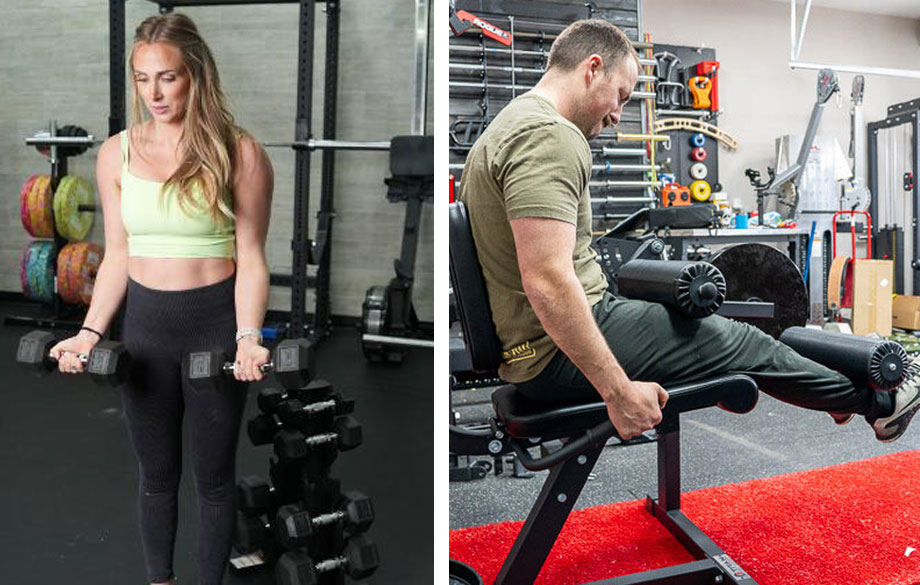
Let’s start with flexion. This movement decreases a joint angle by bringing two bones closer. For example, lifting your arms overhead for an exercise like the overhead triceps extension moves your humerus (upper arm bone) closer to your scapula, decreasing the angle of your shoulder joint. Any version of a biceps curl is also a prime example of flexion. 
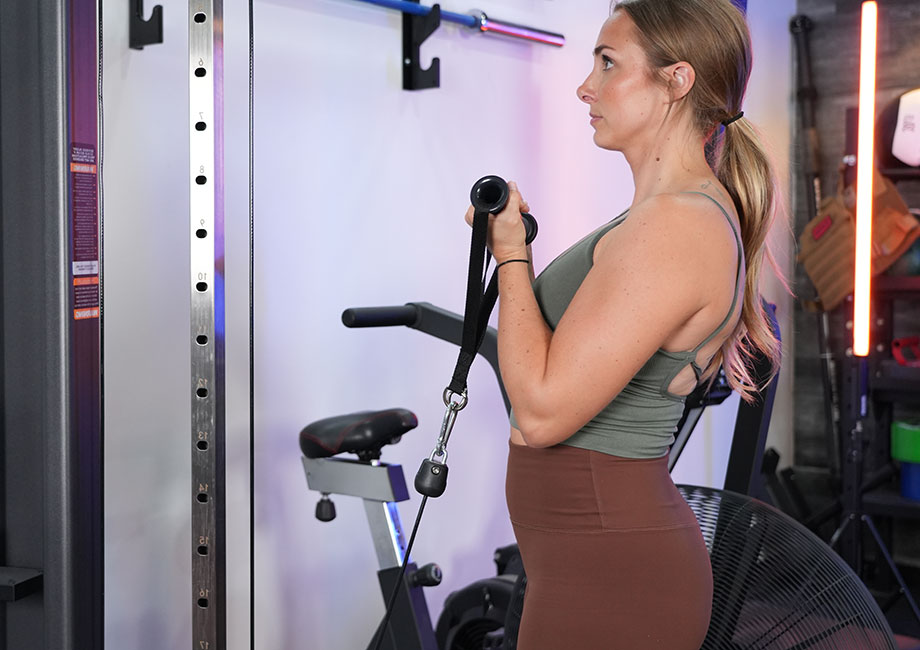
woman-doing-cable-biceps-curl

Expert tip: An easy way to remember flexion is by thinking “F” for “forward,” which reinforces the idea of bringing two segments closer together in an anterior motion. 

RELATED: How To Do the Cable Biceps Curl

What Is Extension? 

On the opposite end of the anatomical movement spectrum we have extension, which increases the angle between body parts by opening a joint wider. 

While flexion is synonymous with bending, think of extension as straightening. Moving two body parts farther away from each other—such as extending your knee joint during leg extensions—results in a wider joint angle. Again, an easy way to make sure you never confuse flexion vs extension is to remember the latter begins with “E” for “extend.” 
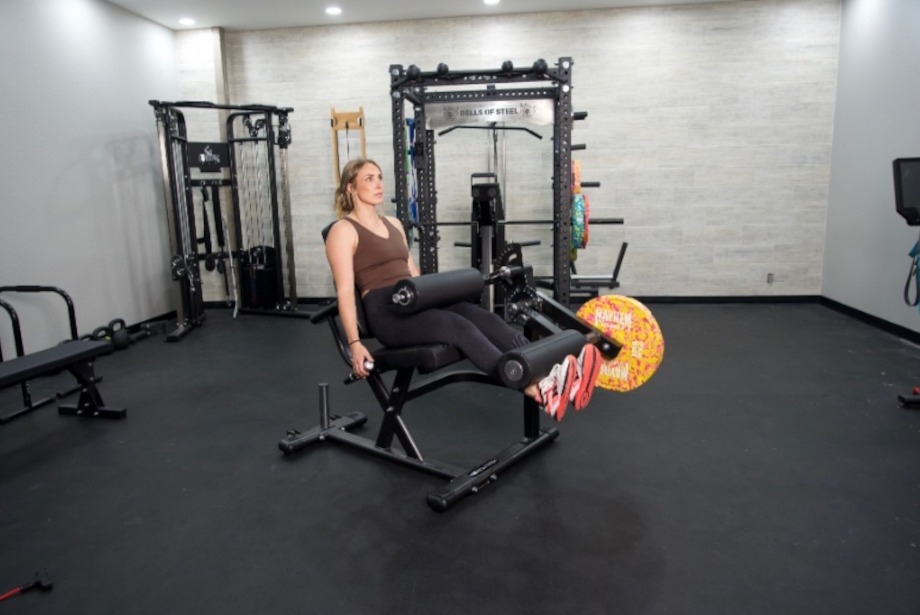
A side view of the Gronk Fitness Leg Machine while in use and fully extended.

RELATED: How To Do Leg Extensions at Home

Flexion vs Extension By Body Part

Now that you know what flexion and extension are, let’s put them in a more practical context. To help you get a better grasp of how these anatomical movements come into play, I’ll go over each body part, including your upper limbs, lower limbs, neck, and spine. 

Upper Extremity

Body PartFlexionExtension
WristAlso called hand flexion, wrist flexion occurs when the angle between the palm of your hand and the anterior surface of your forearm decreases. Also referred to as hand extension, wrist extension occurs when the palm of your hand moves away from your forearm, increasing the angle between the two structures. 
ShoulderAlso called arm flexion, shoulder flexion occurs when your humerus (upper arm bone) and scapula move closer together, decreasing the angle between them. Another term for arm extension, shoulder extension takes place when the angle between your humerus and scapula increases. This causes your arm to move posteriorly (backwards). 
ElbowSometimes referred to as forearm flexion, elbow flexion occurs when the angle between your ulna (forearm bone) and humerus decreases. This is usually what happens when someone tells you to “flex” for a #GymSelfie. Elbow extension, or forearm extension, takes place when you straighten your arm, as this increases the angle between your humerus and ulna bones. This is exactly what happens when you perform triceps kickbacks.
FingerFinger flexion results in a decreased angle between your fingers and the palm of your hand. Clenching your fists is a prime example of this anatomical movement. Opening your hand to high-five your workout partner is an example of finger extension, as this increases the angle between your fingers and the palm of your hand. 
ThumbWhile finger flexion occurs in the sagittal plane (vertically through the body), thumb flexion occurs in the frontal plane. This movement involves your thumb moving toward your pinky finger. Thumb extension is the exact opposite, with your thumb moving away from your pinky finger. 

RELATED: Best Shoulder Exercises

Lower Body 
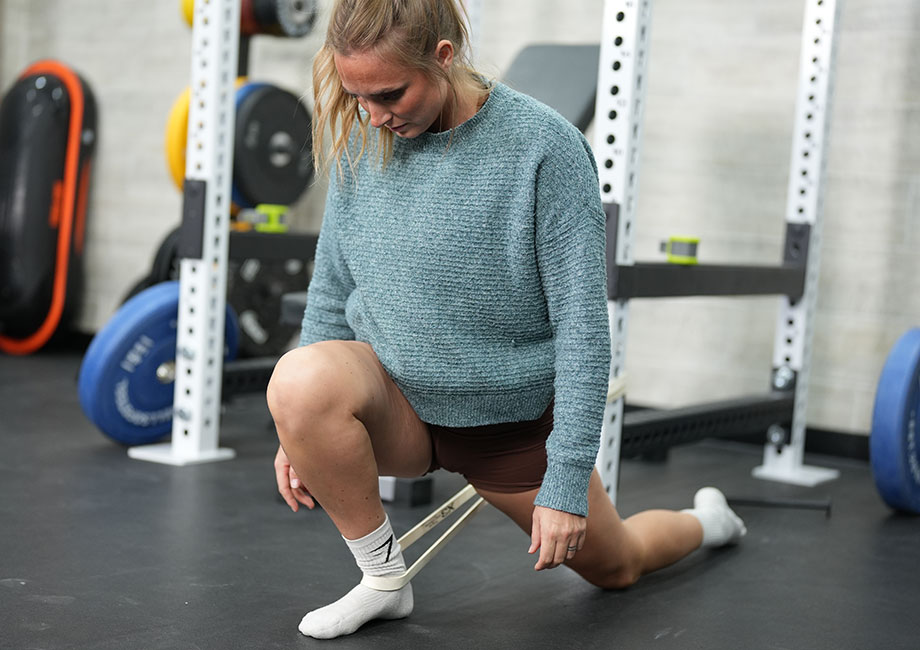
woman-performing-banded-ankle-dorsiflexion
Body PartFlexionExtension
HipAlso referred to as thigh flexion, hip flexion involves moving your femur (thigh bone) and hip bone anteriorly, decreasing the angle in your hip joint. Sitting for prolonged periods of time—aka being in hip flexion for too long—can lead to tight hip flexors and lower-back pain.  A key component in power-based exercises like the deadlift and hang clean, hip extension occurs when your hip joint opens up by increasing the distance between your femur and hip bones. 
KneeKnee flexion, or leg flexion, occurs when your tibia (shin bone) moves toward your femur. This results in a smaller angle between the two segments, such as when you perform a hamstring curl. Knee extension, or leg extension, is about as straightforward as you get. This occurs when the angle between your tibia and femur increases, such as the lockout phase of a deadlift or when you’re performing any type of leg extension alternative.
ToeToe flexion involves bending your toes toward the sole (bottom) of your foot. This is exactly what happens when something makes your toes curl. Toe extension increases the angle between your toes and sole. Your range of motion for toe extension plays a pivotal role in your walking technique.

RELATED: Hip Flexor Exercises

Neck and Spine 

Body PartFlexionExtension
NeckNeck flexion results when your head and trunk of your body move closer together. This is a common occurrence since we spend so much time looking down at phones, laptops, and other electronic devices. In fact, text neck syndrome1 has become a worldwide problem that’s directly related to neck flexion.Leaning your head back results in neck extension by increasing the angle between your head and trunk of your body. Hyperextension can occur if you go too far past the anatomical position. 
Vertebral ColumnAlso referred to as spine flexion, vertebral column flexion takes place when the angle between your trunk and hip joint decreases. Those with lower-back pain can benefit from performing Williams back exercises2 to help improve lumbar flexion and strengthen their gluteal and abdominal muscles. Vertebral column extension, or spine extension, occurs when your back straightens, increasing the angle between your hip joint and spine. Keep in mind that you can also bend your spine to the left or right, which is an example of lateral flexion. 

RELATED: Best Neck Exercises

How To Incorporate Flexion and Extension Movements In Your Workouts

Between being a certified personal trainer (CPT) and self-described #IronAddict, I’ve found many ways to accentuate flexion and extension while resistance training. One of the biggest keys is knowing which muscles are involved in each type of anatomical movement. 

Major flexors, or flexion muscles, include: 

  • Pectoralis major (chest)
  • Anterior deltoid (shoulder)
  • Biceps brachii (biceps)
  • Biceps femoris (hamstring)
  • Psoas (hip)

Major extensors, or extension muscles, include: 

  • Latissimus dorsi (lats)
  • Triceps brachii (triceps)
  • Gluteus maximus (glutes)
  • Quadriceps (quads)

With that in mind, here’s another factor to consider: concentric versus eccentric muscle contractions. The former occurs when a muscle shortens, such as the upward phase of a kettlebell swing or dumbbell curl variation. Meanwhile, the latter occurs when a muscle lengthens, which happens during the lowering phase of a lift, such as when your hamstrings stretch as you descend for a front squat. 
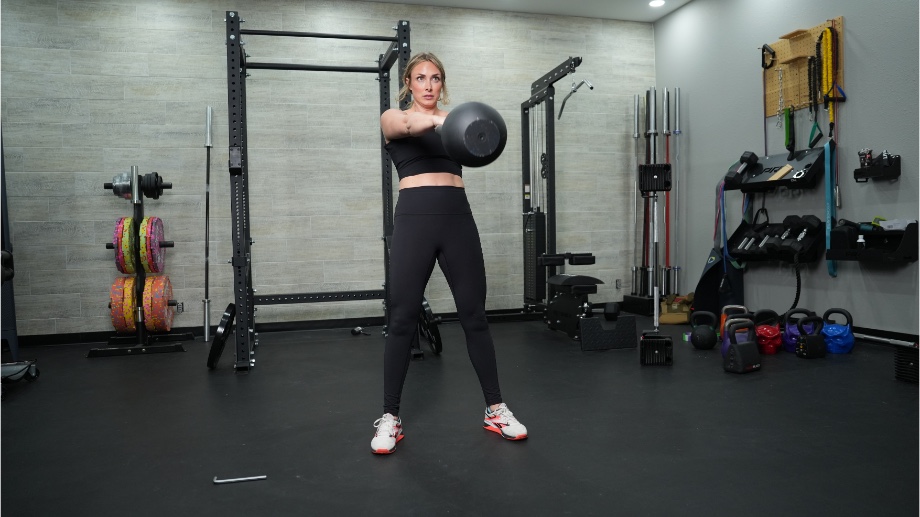
Front view of a person swinging a Bells of Steel Adjustable Kettlebell.

Whether you’re hitting a chest and back workout or going hard on #LegDay, focus on a full range of motion, and maintaining time under tension to stimulate muscle growth. Try supersetting opposing movements, such as performing a set of curls, followed by a set of dips, to give your body and mind an extra challenge. Ultimately, you want to strike the right balance of flexion and extension training for optimal joint health, mobility, and overall fitness. 

RELATED: Superset Workouts

Flexion vs Extension: Final Thoughts

Just like barbells and weight plates belong together, so do flexion and extension. Both types of anatomical movements are equally important, especially if you want to have stable joints and strong muscles. Unfortunately, modern society has made issues like text neck (excessive neck flexion) and lower-back pain quite common, which only proves why you need to be extra cognizant of how you move, sit, and stand. 

While it’s easy to get overwhelmed by all the science jargon, don’t let that deter you from making a workout plan that targets flexor muscles like your chest, shoulders, and hammies and extensors like your lats, triceps, and quads. As long as you follow time-tested principles like progressive overload and focus on form over the amount of weight lifted, you’ll be well on your way to building a healthy, resilient body that can handle any task. 

And that, my fellow fitness enthusiasts, is the ultimate flex. 

Flexion vs Extension: FAQs

What is the difference between flexion and extension?

While flexion involves decreasing the joint angle between two bones, extension increases the joint angle by moving two bones further apart. 

What is an example of flexion? 

An example of flexion would be bending your elbow joint for a barbell curl or bending your knee joint to perform a seated hamstring curl. 

What is an example of extension? 

An example of extension would be straightening your elbow joint for the concentric portion of the Tate press or extending your knee and hip joints as you come out of the hole on a squat. 

What is the difference between plantar flexion and extension?

Plantar flexion decreases the angle between the bottom of your foot and the back of your leg, such as when you’re performing calf raises. Dorsiflexion, on the other hand, increases the distance between your sole and the back of your leg by bringing your toes closer to your shin. The latter is particularly important for runners and athletes who want to generate power and speed. 

References 

  1. Tsantili, A., Chrysikos, D., & Troupis, T. (2022). Text neck syndrome: Disentangling a new epidemic. Acta Medica Academica, 51(2), 123–127. https://doi.org/10.5644/ama2006-124.380
  2. Dydyk, A. M., & Sapra, A. (2023, May 1). Williams back exercises. StatPearls – NCBI Bookshelf. https://www.ncbi.nlm.nih.gov/books/NBK551558/
Further Reading

Supplement Market Size

Supplement Market Size

The supplement market size is on an upward trend, due to consumers making health-conscious decisions. This overview looks at trends by region, type, and more.
Read More
CAP Barbell 150 Pound Dumbbell Set Review (2025): An Affordable Beginner Set

CAP Barbell 150 Pound Dumbbell Set Review (2025): An Affordable Beginner Set

These dumbbells are budget-friendly and come with a rack. Find out what we think in our CAP Barbell 150 pound dumbbell set review.
Read More
Sweat And Burn Fat With These 30-Minute Treadmill Workouts

Sweat And Burn Fat With These 30-Minute Treadmill Workouts

Looking for a great 30-minute treadmill workout? Our experts have you covered with two sweat-inducing programs.
Read More
Best Portable Home Gym (2025): Pack It Up Or Store It Away

Best Portable Home Gym (2025): Pack It Up Or Store It Away

Generally speaking, exercise equipment is pretty bulky and expensive (e.g., treadmills, exercise bikes, squat racks, and barbells). However, not all of us have spacious garages, basements, and bonus rooms to outfit our home gyms. Perhaps you’re renting, sharing a home, or living somewhere temporarily—with those barriers, it doesn’t always make sense for you to invest in traditional workout equipment.  Whatever your circumstance might be, you’re probably landing on this roundup of the best portable home gym options because you need a unique solution to your living (or traveling) situation.   » Read more about: Best Portable Home Gym (2025): Pack It Up Or Store It Away  »
Read More

On This Page

What Is Flexion? 
What Is Extension? 
Flexion vs Extension By Body Part
How To Incorporate Flexion and Extension Movements In Your Workouts
Flexion vs Extension: Final Thoughts
Flexion vs Extension: FAQs
References 

Connect With Your Community

  • Facebook
  • Instagram
  • YouTube
  • https://www.google.com

Get the Latest Reviews & Updates

  • About
  • Careers
  • Privacy Policy
  • Terms of Service
  • Expert Panel
  • Affiliate Disclosure
  • Contact
  • Do Not Sell My Info
Reviews
  • MERACH T12 Foldable Walking Treadmill Review (2025): A Compact and Affordable Option

  • Evolve Plant-Based Protein Shake Review (2025): Is This Low-Calorie Pea Protein Worth the Price?

  • Huel Ready-to-Drink Review (2025): Can This RTD Really Replace A Meal?

  • C4 Ultimate Shred Review (2025): Is This Fat-Burning Pre-Workout Worth It?

  • Almost Heaven Morgan Barrel Review (2025): A Sleek Barrel Sauna Built for Four

Equipment
  • Best Recumbent Exercise Bikes (2025): Top Picks from Certified Personal Trainers

  • Best Folding Exercise Bikes (2025): Compact and Lightweight Bikes for Small Spaces

  • After Testing More Than 50, We Found The 10 Best Folding Treadmills for Your Home (2025)

  • Best Quiet Treadmills (2025): 7 Peaceful Options for Keeping the Right Pace

  • Best Dumbbells of 2025: Top Picks From Fitness Experts After Thousands of Curls and Presses

Guides
  • Infrared Saunas Buyer’s Guide: Everything You Need to Know to Break a Sweat With Confidence

  • The Ultimate Sauna Guide: Expert Tips on Benefits, How to Use, and More

  • What Foods Have Probiotics? Colon-Ize Your Plate with Help From a Dietitian

  • Home Gym Con 2025 Recap: The New Equipment We’re Most Excited About

  • Tariffs Affecting Gym Equipment Prices (2025)

DIY
  • Your Expert Guide to Making Budget-Friendly DIY Ankle Weights  

  • Homemade Protein Powder: The Right Whey to Do Home-Cooked Protein

  • Building a DIY Rowing Machine: How to, Why, and Should You?

  • Try These DIY Cold Plunge Ideas To Jump-Start Your Recovery 

  • DIY Mass Gainer: You Make the Shake, and Your Body Makes the Muscle

The Most Trusted Voice in Fitness

© Garage Gym Reviews 2023 | All Rights Reserved.

GGR

  • About
  • Careers
  • Privacy Policy
  • Terms of Service
  • Expert Panel
  • Affiliate Disclosure
  • Contact
  • Do Not Sell My Info

The Most Trusted Voice in Fitness

© Garage Gym Reviews 2025 | All Rights Reserved.

Reviews
  • MERACH T12 Foldable Walking Treadmill Review (2025): A Compact and Affordable Option
  • Evolve Plant-Based Protein Shake Review (2025): Is This Low-Calorie Pea Protein Worth the Price?
  • Huel Ready-to-Drink Review (2025): Can This RTD Really Replace A Meal?
  • C4 Ultimate Shred Review (2025): Is This Fat-Burning Pre-Workout Worth It?
  • Almost Heaven Morgan Barrel Review (2025): A Sleek Barrel Sauna Built for Four
Equipment
  • Best Recumbent Exercise Bikes (2025): Top Picks from Certified Personal Trainers
  • Best Folding Exercise Bikes (2025): Compact and Lightweight Bikes for Small Spaces
  • After Testing More Than 50, We Found The 10 Best Folding Treadmills for Your Home (2025)
  • Best Quiet Treadmills (2025): 7 Peaceful Options for Keeping the Right Pace
  • Best Dumbbells of 2025: Top Picks From Fitness Experts After Thousands of Curls and Presses
Guides
  • Infrared Saunas Buyer’s Guide: Everything You Need to Know to Break a Sweat With Confidence
  • The Ultimate Sauna Guide: Expert Tips on Benefits, How to Use, and More
  • What Foods Have Probiotics? Colon-Ize Your Plate with Help From a Dietitian
  • Home Gym Con 2025 Recap: The New Equipment We’re Most Excited About
  • Tariffs Affecting Gym Equipment Prices (2025)
DIY
  • Your Expert Guide to Making Budget-Friendly DIY Ankle Weights  
  • Homemade Protein Powder: The Right Whey to Do Home-Cooked Protein
  • Building a DIY Rowing Machine: How to, Why, and Should You?
  • Try These DIY Cold Plunge Ideas To Jump-Start Your Recovery 
  • DIY Mass Gainer: You Make the Shake, and Your Body Makes the Muscle