


How We Test Kettlebells and Adjustable Kettlebells 

We test and review fitness products based on an independent, multi-point methodology. If you use our links to purchase something, we may earn a commission. Read our disclosures


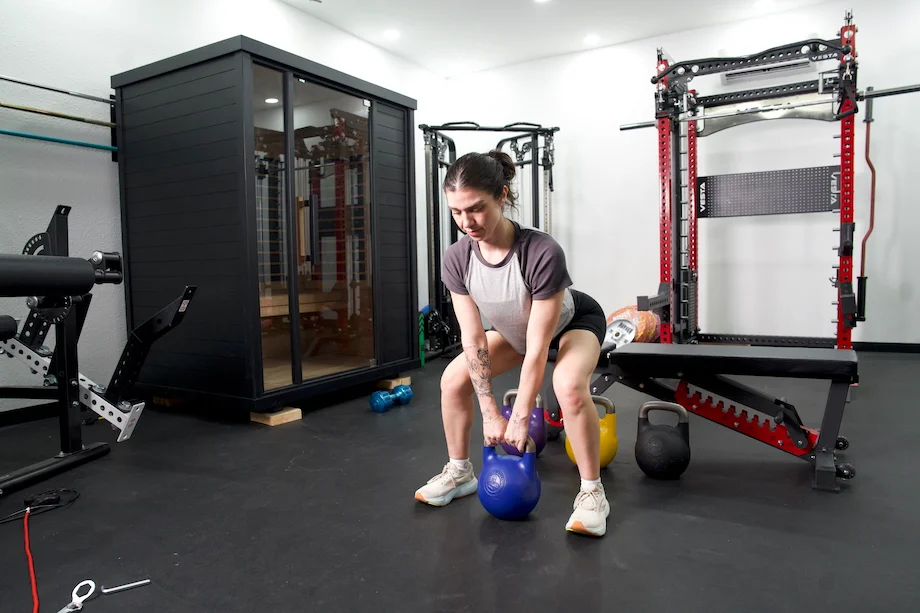
A woman performs a sumo deadlift using a Bells of Steel Adjustable Kettlebell

Whether it’s the best squat racks or the top muscle recovery tools, the Garage Gym Reviews team follows rigorous testing protocols to evaluate every product we can get our hands on. Our mission is to provide you with firsthand, experience-backed insights so you can confidently invest in the best home gym essentials that fit your training style, goals, and budget.

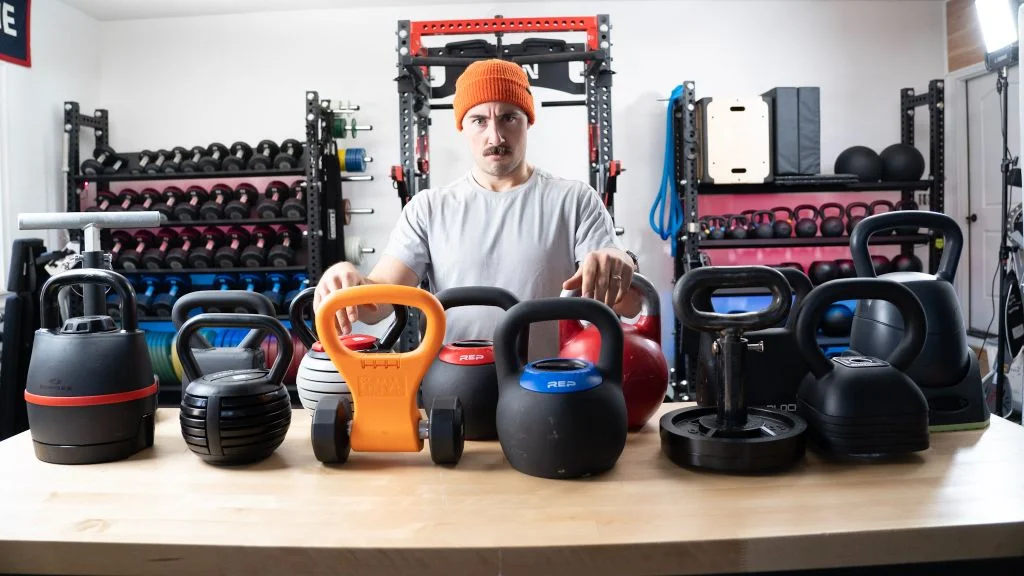
When it comes to kettlebells, we understand that while many models look (and sometimes feel) similar, there can be stark differences that separate the best from the rest. From traditional cast-iron bells to cutting-edge adjustable designs that save you time, space, and money, our testers swing, press, snatch, and carry each kettlebell through a wide variety of workouts to examine the quality at play. We then assign category-specific ratings that reflect how each model performs in real-world training environments, so you can invest with confidence. 

From traditional to competition-style to fully adjustable models, our team has tested more than 30 kettlebells and adjustable kettlebells from leading brands over the years. In 2024 alone, we helped more than 350 athletes and home gym owners find their perfect bell, and we’re ready to help pair you with the right one, too.

Our Values

Every kettlebell we review is evaluated by our expert team of certified personal trainers, strength coaches, and competitive lifters who know what makes a bell worthwhile for beginners and advanced athletes alike. We consult with experts, like our chief medical advisor, Dr. Raj Dasgupta, and reference peer-reviewed research on resistance training to ensure that our recommendations align with the best practices for strength, conditioning, and injury prevention.

Our testing illustrates how these strength training tools work in practical settings—from functional fitness sessions and CrossFit WODs, to bodybuilding protocols and kettlebell HIIT workouts. By relying on expert insights, scientific research, and hands-on experience, we ensure every GGR kettlebell review contains accurate, relevant information that can inform your purchasing decision.

Our Process

We start by researching and vetting dozens of kettlebells, narrowing down our list to models that meet our standards for quality, performance, and value. We put each one through multiple workouts, evaluating their effectiveness for swings, goblet squats, cleans, snatches, presses, Turkish get-ups, and other kettlebell exercises. Adjustable kettlebells undergo repeated weight-change tests to determine how quickly you can add or remove weight, as this is typically the most important factor for buyers (aside from the quantity of weights featured in a single silhouette).

We compare each product against industry averages for weight range, handle design, and price to ensure only those that meet or exceed our standards across all categories make the final cut.

Below are some of the median specs we’ve seen when reviewing both standard and adjustable kettlebell silhouettes:

CategoryAverage Kettlebell We Test
Price RangeCheapest: $44.50
Most Expensive: $209.15
Weight Range7-31.4 kg (15.6-69.3 lbs)
Handle Diameter34.87 mm
CategoryAverage Adjustable Kettlebells We Test
Price$165
Weight range8-20 kg (17.6-44 lbs)
Weight increments2 kg (4.4 lbs)
Replaces8 kettlebells

We review and update our panels on a monthly basis to ensure we’re still featuring the best ‘bells of the bunch. If a new model hits the market, we do our best to get our hands on it so we can determine if it’s worth inserting into our lineups.  

Kettlebell Performance Testing

Kettlebells may look simple, but small differences can drastically affect performance, comfort, and durability. Here’s how we rate each model across our core testing categories:

Construction

Giant Lifting V3 Kettlebell on a Titan Fitness plyo box

Construction is the foundation of a kettlebell’s performance, safety, and structural integrity. We examine how each bell is made—from the shape and materials, to whether it’s a single-piece cast (our preference) or welded profile. A well-made kettlebell should feel balanced in the hand, sit flat on the floor, and withstand repeated impact without loosening or cracking. We also look for flat bases that don’t wobble and accurately-labeled weight totals.

RELATED: Adjustable Kettlebell vs Standard

A traditional kettlebell earns a 3 out of 5 for construction if it’s solid metal but has minor imperfections, such as a slightly uneven base. To meet our threshold for a perfect score, it must feature single-piece cast-iron or steel construction, an even weight distribution, and a perfectly flat base that ensures both safety and reliability during training.

An adjustable kettlebell should offer smooth transitions between weights while maintaining the feel of a standard bell. A 3-out-of-5 rating indicates sturdy but somewhat clunky construction, while a score of 5 out of 5 represents precise engineering with a smooth mechanism that locks plates securely in-place with an even sense of weight distribution.

Durability

We define “durability” as how well a kettlebell stands up to repeated use, storage, and exposure to the elements. We evaluate the finish, coating, and resistance to chipping or rusting, especially when stored in non-climate-controlled garage gyms. Powder coating is generally the gold standard for protection and feel, adding longevity and better grip texture.

To earn a 3-out-of-5 durability score, a kettlebell should boast either a matte black or enamel finish that offers moderate protection, but may wear over time. To earn a higher rating, a kettlebell must resist corrosion, hold up to repeated impact, and show minimal surface damage, even after extended use. 

Handle

Woman holding the handle of a Bells of Steel Adjustable Kettlebell

Handle design can have a huge impact on your workout experience and, to a lesser degree, your confidence in using a kettlebell. During testing, we measure the handle’s diameter, assess its control, and how it feels during long sets where sweaty hands may become an issue. We also test grip performance both with and without chalk (and with varying hand sizes). The best handles allow for a secure grip without digging into your skin or causing your hands to fatigue, even during complex movements like the kettlebell snatch.

Kettlebells that earn a 3 out of 5 have a standard handle that performs adequately but may feel slick with sweat. To earn a perfect score, the handle should have a textured or powder-coated surface, optimal diameter (33 to 35 millimeters), and comfortable clearance between the bell and handle for both one- and two-handed movements. 

Weight Options

We assess whether a kettlebell comes in imperial or metric weight totals (pounds or kilograms), how robust the weight range is, and whether it follows official competition color standards (when examining competition-grade silhouettes). The best manufacturers provide clear labeling with weight indications in both pounds and kilograms, so you don’t have to do any mid-workout math. 

For standard kettlebells, a 3-out-of-5 rating means the kettlebell is available in a moderate weight range and may use either pounds or kilograms. Meanwhile, a 5-out-of-5 rating means the kettlebell comes in a full selection of light to heavy options, features dual weight markings, and color-coded shells (or handles) in accordance with competition standards. 

For adjustable kettlebells, we measure how many traditional kettlebells one adjustable unit can replace. The wider the range, the more space and money you can save. Our testers look for models that accommodate both beginner and advanced lifters, ensuring flexibility for progressive overload. A 3-out-of-5 rating indicates a moderate range (roughly 8 to 35 lbs or 8 to 16 kg), while a perfect score can replace a full rack of bells without sacrificing feel or balance.

Shape

Since most standard and all competition bells traditionally harbor the same dimensions, shape directly impacts how an adjustable kettlebell moves through exercises. We compare each design to traditional bells, paying attention to comfort during cleans, snatches, swings, and other movements that may not be as easy to perform with non-traditional silhouettes. A good adjustable kettlebell should mimic the feel of a traditional bell as best as possible.

To earn a 3 out of 5, the shape is functional but slightly awkward. Meanwhile, a 5-out-of-5 rating means it feels nearly identical to a standard kettlebell.

Adjustment Speed

Adjusting the REP Fitness Adjustable Kettlebell.

Again, speaking to adjustable kettlebells here—adjustment speed determines whether a kettlebell is practical for circuits or supersets. We test how quickly and easily each mechanism changes weight—from traditional pin-and-plate systems to modern dial-based designs. The best models allow for fast, frustration-free transitions that keep your workout flowing through your sets.

A model that may require pins or manual changes will earn a 3 out of 5 on our scale. However, one that uses a fast dial, lever, or magnetic system that lets you swap weights in little time will likely earn a higher score. Check out our REP Fitness Adjustable Kettlebell review for an example of a kettlebell that doesn’t involve a laborious weight-change process. 

Customer Experience Testing

While performance matters, so does the customer experience. Here are the areas we assess during evaluations that extend beyond the home gym floor:

Purchasing and Shipping

Multiple Bells of Steel Adjustable Kettlebells lined up in a row

Even though kettlebells don’t require assembly, the buying and shipping experiences still matter. We evaluate how easy it is to order your bells along with shipping speed, packaging quality, and whether the product arrives undamaged. Some brands even offer free or discounted shipping, which can be a major benefit if you’re buying multiple kettlebells or a complete kettlebell set. Similar to the buying experience with dumbbells or weight plates, this is particularly helpful if you’re ordering heavy kettlebells, which often require higher shipping costs given the sheer weight of each parcel. 

A 3-out-of-5 rating involves standard ground shipping and sufficient packaging. To earn a perfect score in this category, the manufacturer offers fast, free shipping, protective packaging that prevents chips or cracks, and proactive customer communication throughout the delivery process. 

Value

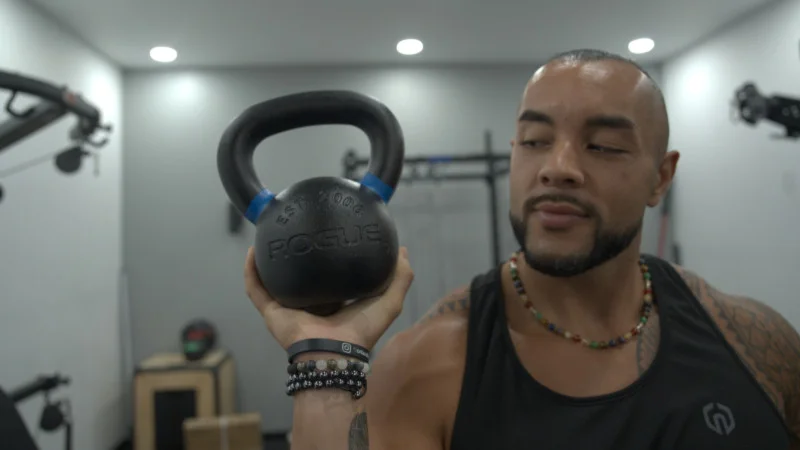
Product tester performs a biceps curl with the Rogue E-Coat Kettlebell

Value is more than just price—it’s a reflection of the quality you get for your investment. We compare the cost of a kettlebell to other models with similar specs while also considering additional factors like shipping costs, financing options, and available discounts. Some brands offer excellent savings for purchasing complete sets, which can make a premium kettlebell a better deal than a budget option. Adjustable kettlebells offer value by replacing individual weights and allowing you to save space.  

A value score of 3 out of 5 means the kettlebells are priced fairly but not so much that you’re getting a tremendous bargain. To earn a 5, the product must offer exceptional pricing or benefits that enhance its long-term value. This could include durable materials or lifetime warranties that provide protection and peace of mind.

Customer Service

Customer service can make or break your experience with a brand. We test responsiveness by contacting support about product details or warranty questions, tracking how quickly and helpfully they respond. A strong warranty also signals that the company stands behind its product—something we weigh heavily in our scoring.

A 3-out-of-5 rating represents a solid but limited warranty (typically around one year) and standard response times. To achieve a 5-star rating, a company should offer multiple communication channels, respond within 24 business hours, and back its kettlebells with a multi-year or lifetime warranty.

Customer Reviews

We cross-reference verified customer feedback from brand websites and major retailers like Amazon to validate our findings. User reviews give us context into durability, customer satisfaction, and any recurring problems that may not reveal themselves during our short-term testing protocols.

We highlight both the good and the bad, making sure to note consistent praise for features like the powdercoat finish or handle design while also mentioning repeated callouts such as paint chipping or an awkward shape. This ensures our final scores are balanced and reflect the ownership experiences of home gym enthusiasts just like you.

Overall Score

Once we finish testing, we average individual category scores to generate an overall rating out of 5. This number reflects how each kettlebell performs across all relevant criteria—from construction and durability to adjustment speed (when applicable) and value (always applicable)—giving you a transparent look at every product we test.

Our goal is to help you make confident, informed decisions so you can spend less time second-guessing equipment and more time crushing your workouts. 

Kettlebell Ratings Chart Example