

How We Test Exercise Bikes

We test and review fitness products based on an independent, multi-point methodology. If you use our links to purchase something, we may earn a commission. Read our disclosures


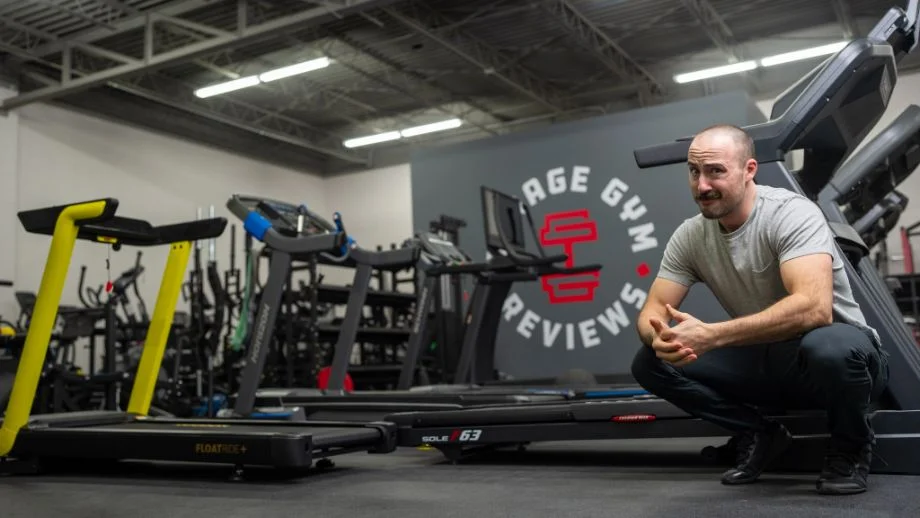
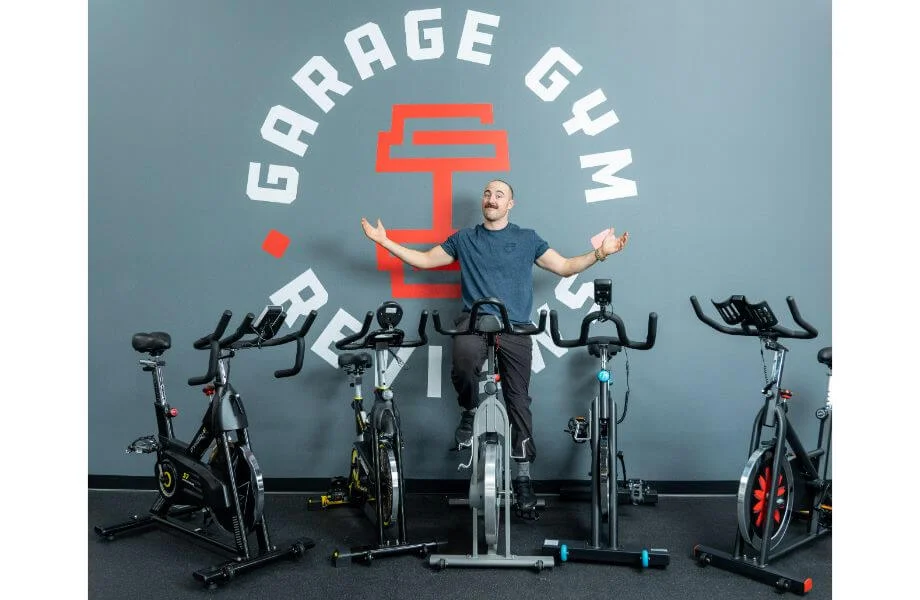
best bikes under 500 feature photo coop on bike arms raised surrounded by bikes in front of garage gym reviews wall

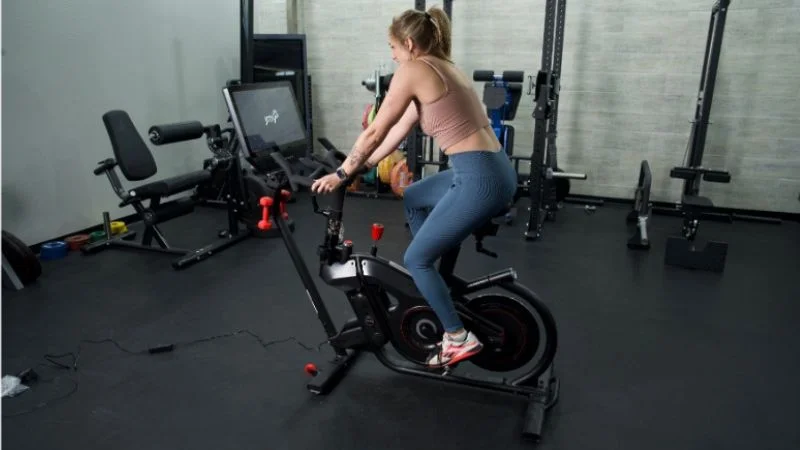
When we test for the best exercise bikes, we’re not just hopping on for a quick spin. Each bike goes through a detailed evaluation designed to measure what really matters to people building home gyms: comfort, performance, durability, and user experience. We test bikes across multiple categories to capture the full picture, from resistance and ergonomics to connectivity and customer support.

Every piece of equipment we test gets the same hands-on treatment from our certified fitness professionals, competitive athletes, and gear reviewers. We ride for hours—through live classes, digital trails, and rigorous workouts—to see how these bikes hold up under real-world use. Our goal is to cut through marketing claims and tell you, plainly, whether a bike is worth your money and time.

We’ve tested more than 50 exercise bikes across categories like indoor cycling, air bikes, recumbent bikes, folding bikes, and even mini exercise bikes. In 2024 alone, nearly 1,500 people trusted our reviews to help them choose their next exercise bike. Is 2025 your ticket to ride? We’re here to make sure you know exactly what to look for as you shop.

Our Values

Our testing philosophy centers on credibility, consistency, and context. The products we recommend are tested by certified personal trainers, CrossFit coaches, endurance athletes, and weightlifters—people who actually know what good training equipment feels like. We also consult with physical therapists, exercise scientists, and other experts to validate our findings against industry standards as well as the latest scientific research.

We don’t rely on manufacturer specs, alone. We test products in both our dedicated review facility and personal abodes, so we can assess what it’s like to live with the equipment long-term. Our testers log dozens of rides to evaluate comfort, maintenance, and whether a bike continues to deliver on performance over time.

Our Process

YOSUDA YB001R Magnetic Exercise Bike Pedals

Before a single bike lands on our list, we research the market thoroughly, looking at new releases, established favorites, and reader requests. We compare specs, technology, and price points as we begin to purchase or borrow models to ensure firsthand experience. Every bike is scored against a standardized set of metrics to keep comparisons fair and data-driven. We also compare each machine to industry averages.

CategoryAverage Exercise Bike We Test
Price$1,409
Footprint55″ L x 22.3″ W x 52.5″ H
Product Weight129 lbs
User Weight Capacity320 lbs
Warranty5-year frame, 2-year parts

We revisit our top picks regularly, too. As new models are released or existing ones are updated, we re-test and adjust our rankings accordingly. This helps ensure that our recommendations always reflect what’s best right now—not just what performed well once.

Exercise Bike Performance Testing

We test every exercise bike across the following performance categories to assess how it functions in real-world training:

Footprint and Portability

A person riding a NordicTrack X24 Bike.

We measure each bike’s footprint and total weight while also looking for any included portability features, such as transport wheels and handles. Bikes that are easy to move and store earn higher marks for home gym users with limited space. We also call out larger machines—which often sport higher weight capacities and more features—that may be a better fit for people with more available real estate. To get at least a 3, one to two people can easily move the bike around on their own.

RELATED: Best Mini Exercise Bikes

Customizations

Our tester measuring the seat on a Nordictrack X24 Bike

We look at available adjustments for seat height, handlebar position, and resistance levels, along with software-based personalizations like user profiles and customizable workouts. To earn at least 3 points here, the bike should feature at least 12 resistance levels with variable settings along the seat and handlebars. Added components like incline/decline settings and digital resistance toggles can lead to increased scores.

Adjustability and Ergonomics

Our tester measures the pedal length on a Concept2 BikeErg

Our testers ride bikes of various sizes to assess how easily users can achieve a comfortable, efficient riding position. We also evaluate pedal spacing, handlebar shape, and overall frame geometry. To earn an average score (3 out of 5), bikes must have a padded seat that adjusts vertically along with adjustable handlebars.

Tech Capabilities

Device holder on a Yosuda YB001R Exercise Bike

From Bluetooth connectivity to interactive training platforms, we test all onboard tech features when it comes to top-performing exercise bikes. We connect each bike to third-party apps, when applicable, to assess stability, usability, and real-world performance. Bikes that earn at least 3 points meet the following industry standards: A console to show time, distance, and resistance level; a visual progress meter on the display; and heart rate/pulse monitoring through contact sensors. To earn 4 or 5 points, bikes must have additional features, like Bluetooth connectivity, touchscreen consoles, Wi-Fi-enabled consoles, or USB charging ports.

RELATED: Best Peloton Alternatives

Durability

A close look at the flywheel on a Free Beat Boom Bike

We inspect frame construction, weld qualities, resistance mechanisms, and hardware over multiple rides. Bikes that creak, wobble, or show premature wear lose points quickly. To get a score of at least 3 out of 5, the bikes should not shift or shake uncomfortably during the workout and feature a user weight capacity of at least 275 pounds. Flywheels should also weigh between 18 and 20 kilograms (roughly 30 to 45 pounds) to promote smooth, maintained speeds with little to no noise feedback.

Conveniences

We score bikes on extras that make a difference in daily use—things like water bottle holders, device trays, integrated cooling fans, and display readability. To earn an industry-standard score of 3 points, a bike should have at least one bottle holder, a media shelf that supports viewing (not just storing) a phone or tablet, is not disruptively loud, and has a safety stop button.

Dynamic Programming

Our tester Interacts With the touchscreen on a Nordictrack X24 Bike

We test built-in workout programs, resistance smoothness, and how well the bike responds to cadence changes or simulated terrain. For smart bikes, we assess how engaging and adaptive the digital training experience feels. To get at least 3 points, bikes have at least a few built-in workouts to choose from, even if they require a companion app for operation. 

For a perfect 5-out-of-5 score, bikes have every mark of a good fitness program: Specific workouts based on interval training, heart rate, resistance, and calories burned; interactive programming with a coach; studio classes or live class options; personalized options or workouts; and apps with options for strength training, yoga, or other cross-training. 

RELATED: Best Online Workout Programs

Customer Experience Testing

Our testing doesn’t stop at performance and objective measurements. We also assess the experience of buying, setting up, and maintaining each bike.

Delivery and Setup

Our tester adjusts the seat on a Yosudo Indoor Cycling Bike

We document shipping times, packaging quality, and assembly difficulty. Testers rate how clear the instructions are and whether setup requires special tools or professional help. To get at least a 3 out of 5 for delivery and setup, threshold (to-your-doorstep) delivery is available and assembly with two people takes no longer than 90 minutes. Of course, assembly times can vary based on the assembler’s handiness, but if a machine takes an extensive amount of time to construct, we make sure to note it in our findings.

Financing, Warranty, and Returns

We review warranty terms, return policies, and financing options to help readers understand what kind of post-purchase support they can expect. Our benchmark for financing, which earns a bike 3 out of 5 points, is 0% APR for 30+ months. For warranties, it’s 10 years on the frame and one year on parts. For returns, we like to see an eligible refund window of 30 days. Manufacturers who don’t charge back-shipping or a restocking fee earn higher ratings.

Customer Service

Our testers contact customer service teams directly to gauge responsiveness and helpfulness. Poor communication or slow issue resolution is reflected in our scores. To get a 3, customer service departments must be quick to respond (within 24 business hours) and get the issue resolved without bouncing us around to multiple people. We also award higher scores to companies with multiple contact pathways, like email, phone, and live chats.

Customer Reviews

We analyze verified customer feedback to identify patterns—good or bad—that our own testing might not capture, such as long-term reliability or software glitches. Our scores are directly aggregated from manufacturer and retailer sites. 

Overall Score

After all testing protocols have been completed, each exercise bike receives an overall score out of 5 derived from its average across all categories. Performance metrics carry the most weight, but we also factor in customer experience and value for the money. This approach ensures our top-rated bikes aren’t just well-built—they’re well worth buying.

Ratings Chart Example for Exercise Bikes