
Best Workout Apps
Check Them Out
Best Home Gyms
Check Them Out
Best Massage Chairs
Check Them Out
  • Best-in-Class Equipment
    • See All Roundups
    • Best Adjustable Dumbbells
    • Best Budget Home Gym Equipment
    • Best Cross-Training Shoes
    • Best Dumbbells
    • Best Exercise Bikes
    • Best Cold Plunge Tubs
    • Best Home Saunas
    • Best Ellipticals
    • Best Home Gym Machines
    • Best Kettlebells
    • Best Olympic Barbells
    • Best Rowing Machines
    • Best Squat Racks
    • Best Supplements
      • Best BCAA
      • Best Creatine
      • Best Greens Powder
      • Best Pre-Workout
      • Best Protein Powder
    • Best Treadmills
    • Best Weighted Vests
    • Best Weightlifting Shoes
    • Best Weight Benches
  • Reviews
    • See All Reviews
    • Barbells
    • Bodyweight
    • Certification Courses
    • Conditioning
    • Gym Accessories
    • Nutrition
    • Recovery
    • Rigs and Racks
    • Shoes
    • Strength Equipment
    • Support Gear
    • Technology
    • Training Programs
    • Weight Plates
  • Comparisons
    • See All Comparisons
    • Best Peloton Alternatives
    • Home Gym vs Gym Membership
    • Peloton Bike vs Bike Plus
    • PowerBlock vs Bowflex
    • Rogue Echo Bike vs Assault Air Bike
    • Rogue Ohio Power Bar vs Texas Power Bar
    • Tonal vs Tempo
  • Coupons
    • Holiday Sales
    • Military Discounts
    • See All Coupons
      • Bells of Steel Coupons
      • REP Fitness Coupons
      • Rogue Fitness Coupons
      • Titan Fitness Coupons
      • Concept2 Coupons
      • Plunge Coupons
  • Equipment
    • Browse Gym Equipment
    • See All Equipment
    • Apparel
      • Shoes
        • Running Shoes
        • Training Shoes
        • Weightlifting Shoes
    • Strength Equipment
      • Barbells
      • Benches
      • Dumbbells
      • Glute Ham Developers (GHD)
      • Kettlebells
      • Rigs and Racks
      • Strength Machines
      • Weight Plates
    • Conditioning
      • Core and Stability
      • Endurance
        • Air Bikes
        • Ellipticals
        • Exercise Bikes
        • Rowing Machines
        • Treadmills
      • Jump Ropes
      • Strength Conditioning
    • Bodyweight
      • Climbing Ropes
      • Grip
      • Gymnastics
      • Pull-Up Systems
      • Training Equipment
    • Support Gear
      • Belts
      • Hand Protection
      • Mobility & Recovery
      • Straps & Wraps
      • Training Apparel
    • Gym Accessories
      • Flooring
      • Storage
    • Supplements
    • Technology
    • Training Programs
  • Home Gym Resources
    • See All Home Gym Resources
    • Calculators
    • DIY Guides
    • Equipment Guides
    • Gym Tours
    • Spotlight
    • Workout Guides
  • About Us
    • Meet Our Experts
    • GGR Fitness Equipment Testing Methodology
      • How We Test Ellipticals
      • How We Test Smart Home Gym Equipment
      • How We Test Smith Machines
      • How We Test Dumbbells and Adjustable Dumbbells
      • How We Test Barbells
      • How We Test Weight Benches
      • How We Test Treadmills
      • How We Test Saunas
      • How We Test Kettlebells and Adjustable Kettlebells 
      • How We Test Exercise Bikes
      • How We Test Cold Plunges
      • How We Test Massage Chairs 
      • How We Test Functional Trainers
    • GGR Supplement Testing Methodology
      • How We Test Pre-Workout Supplements
      • How We Test Creatine
  • Facebook
  • Instagram
  • YouTube

Search

  • Best-in-Class Equipment
    • See All Roundups
    • Best Adjustable Dumbbells
    • Best Budget Home Gym Equipment
    • Best Cross-Training Shoes
    • Best Dumbbells
    • Best Exercise Bikes
    • Best Cold Plunge Tubs
    • Best Home Saunas
    • Best Ellipticals
    • Best Home Gym Machines
    • Best Kettlebells
    • Best Olympic Barbells
    • Best Rowing Machines
    • Best Squat Racks
    • Best Supplements
      • Best BCAA
      • Best Creatine
      • Best Greens Powder
      • Best Pre-Workout
      • Best Protein Powder
    • Best Treadmills
    • Best Weighted Vests
    • Best Weightlifting Shoes
    • Best Weight Benches
  • Reviews
    • See All Reviews
    • Barbells
    • Bodyweight
    • Certification Courses
    • Conditioning
    • Gym Accessories
    • Nutrition
    • Recovery
    • Rigs and Racks
    • Shoes
    • Strength Equipment
    • Support Gear
    • Technology
    • Training Programs
    • Weight Plates
  • Comparisons
    • See All Comparisons
    • Best Peloton Alternatives
    • Home Gym vs Gym Membership
    • Peloton Bike vs Bike Plus
    • PowerBlock vs Bowflex
    • Rogue Echo Bike vs Assault Air Bike
    • Rogue Ohio Power Bar vs Texas Power Bar
    • Tonal vs Tempo
  • Coupons
    • Holiday Sales
    • Military Discounts
    • See All Coupons
      • Bells of Steel Coupons
      • REP Fitness Coupons
      • Rogue Fitness Coupons
      • Titan Fitness Coupons
      • Concept2 Coupons
      • Plunge Coupons
  • Equipment
    • Browse Gym Equipment
    • See All Equipment
    • Apparel
      • Shoes
        • Running Shoes
        • Training Shoes
        • Weightlifting Shoes
    • Strength Equipment
      • Barbells
      • Benches
      • Dumbbells
      • Glute Ham Developers (GHD)
      • Kettlebells
      • Rigs and Racks
      • Strength Machines
      • Weight Plates
    • Conditioning
      • Core and Stability
      • Endurance
        • Air Bikes
        • Ellipticals
        • Exercise Bikes
        • Rowing Machines
        • Treadmills
      • Jump Ropes
      • Strength Conditioning
    • Bodyweight
      • Climbing Ropes
      • Grip
      • Gymnastics
      • Pull-Up Systems
      • Training Equipment
    • Support Gear
      • Belts
      • Hand Protection
      • Mobility & Recovery
      • Straps & Wraps
      • Training Apparel
    • Gym Accessories
      • Flooring
      • Storage
    • Supplements
    • Technology
    • Training Programs
  • Home Gym Resources
    • See All Home Gym Resources
    • Calculators
    • DIY Guides
    • Equipment Guides
    • Gym Tours
    • Spotlight
    • Workout Guides
  • About Us
    • Meet Our Experts
    • GGR Fitness Equipment Testing Methodology
      • How We Test Ellipticals
      • How We Test Smart Home Gym Equipment
      • How We Test Smith Machines
      • How We Test Dumbbells and Adjustable Dumbbells
      • How We Test Barbells
      • How We Test Weight Benches
      • How We Test Treadmills
      • How We Test Saunas
      • How We Test Kettlebells and Adjustable Kettlebells 
      • How We Test Exercise Bikes
      • How We Test Cold Plunges
      • How We Test Massage Chairs 
      • How We Test Functional Trainers
    • GGR Supplement Testing Methodology
      • How We Test Pre-Workout Supplements
      • How We Test Creatine

Home » Resources » How Often Should You Run? 6 Factors to Consider

How Often Should You Run? 6 Factors to Consider

8670
Written by Chelsea Rae Bourgeois, MS, RDN, LD
8670
Chelsea Rae Bourgeois, MS, RDN, LD

Chelsea Rae Bourgeois is a registered dietitian nutritionist with several years of experience working in the clinical setting. Once a track and field athlete in the Southeastern Conference, she now finds joy in combining her passions as a health writer to help people embrace their wellness through nutrition and fitness. When she’s not writing, you can find her outside with her kids or dancing to Dolly Parton in the kitchen.

View Profile
Updated on July 26, 2023

We test and review fitness products based on an independent, multi-point methodology. If you use our links to purchase something, we may earn a commission. Read our disclosures

woman running on NordicTrack 1250

If you’re new to running, you might wonder how often should you run, and you’re not alone. Runners of all levels are wondering the same thing, and honestly, the answer is different for everyone. Running is such a personalized sport. Your optimal running frequency is unique to you, based on your fitness level and running goals. Your training plan is all your own.

However, when designing your training schedule, there are a few factors to consider before mapping out your weekly mileage. In this article, we’ll take a look at the impact that running frequency has on your goals, and we’ll review how to find the sweet spot between running volume and the number of runs in a week. Let’s jump in.

How Often Should I Run?

The answer to that question will be different for everyone. The recreational runner will likely run less often than someone in the thick of marathon training. A good way to gauge how often you should run is by your running experience. As someone who has been a runner for most of her life, I’ve trained as a beginner, intermediate, and advanced runner multiple times over (nothing like pregnancy to humble your training plans!), and I can attest to the impact that experience has on training demands.

Beginners

New runners can start by running one to two days per week, with ample recovery time in between runs. You can start by running one or two miles twice weekly to build up your endurance and pace, and then slowly increase your running volume through frequency or distance.

Intermediate 

Intermediate runners have a little more wiggle room when it comes to running frequency. Since they have more training under their belt, they can likely handle running three to five days per week. Aim for rest and strength training between your running days.

Advanced 

In most cases, advanced runners can run up to five or six days per week with a low risk of injury or burnout. Make one of your runs an easy run to allow your body time for active recovery. Some elite runners may run every day, but it’s generally not recommended for the average runner.

Saucony Kinvara 13 Treadmill Running Shoes

Factors to Consider

The current Physical Activity Guidelines for Americans1 recommend 150 minutes of moderate-intensity physical activity per week (plus two days of strength training). Running is commonly a favorite way to log those minutes, I think in part to its individualized training aspects. It’s challenging, but you get to make it your own, especially when deciding how frequently you should run. A few factors to consider when scheduling your runs include the following:

Personal Goals

Your endgame goals play a significant role in your training plan’s design. For example, a competitive runner training for their tenth marathon will lace up their running shoes more often than a recreational runner who hits the trails to clear their mind after a long day at work. Both are meaningful goals, but one requires more running days than the other. 

Running Experience

Like any fitness avenue, it’s important to gradually increase your running training as you develop physically and mentally. An experienced runner has developed the tools needed to efficiently and safely run more frequently during the week. If you’re just beginning, it’s critical to start conservatively and allow your body the time it needs to build strength and endurance. 

Physical Fitness Level

Your fitness level also plays a major role in your running plans. If you don’t have much running experience but have consistently done other forms of exercise, you should have a good cardiovascular base to rely on during your runs.

The same goes for an experienced runner with a decreased fitness level. A runner who’s taken some time away from the sport may need to err on the side of caution while they rebuild their strength and endurance.

Time Constraints

We’ve all heard the saying, “There’s not enough time in the day,” and I think we’ve all been able to relate to that at some point in our lives. Time is precious, and sometimes we have to get strategic about our training schedule. If your calendar is slammed and you have to bend over backward to make it happen, chances are it will be challenging to stay committed. Find the days you have time to run, and write it down in pen on your calendar. Then, focus on the days you are scheduled to run and make sure they’re good-quality runs—quality over quantity, my peeps.

Injuries and Health Concerns

This one is a biggie. If you’re prone to injury or currently rehabbing an ailment, you should probably run less often and maybe even shorten your runs. Consider cross-training on your off days to get your cardio in while avoiding potential running injuries.

RELATED: Cross-Training for Runners

Age

Getting older is a cause for celebration. There’s no doubt about that. But it can also change the way we approach our fitness training. Generally, the older we get, the more time our bodies need to recover between sweat sessions. As a result, our bodies may not bounce back as quickly after a run with each passing birthday, and that may mean we need to space out our running days a little more.
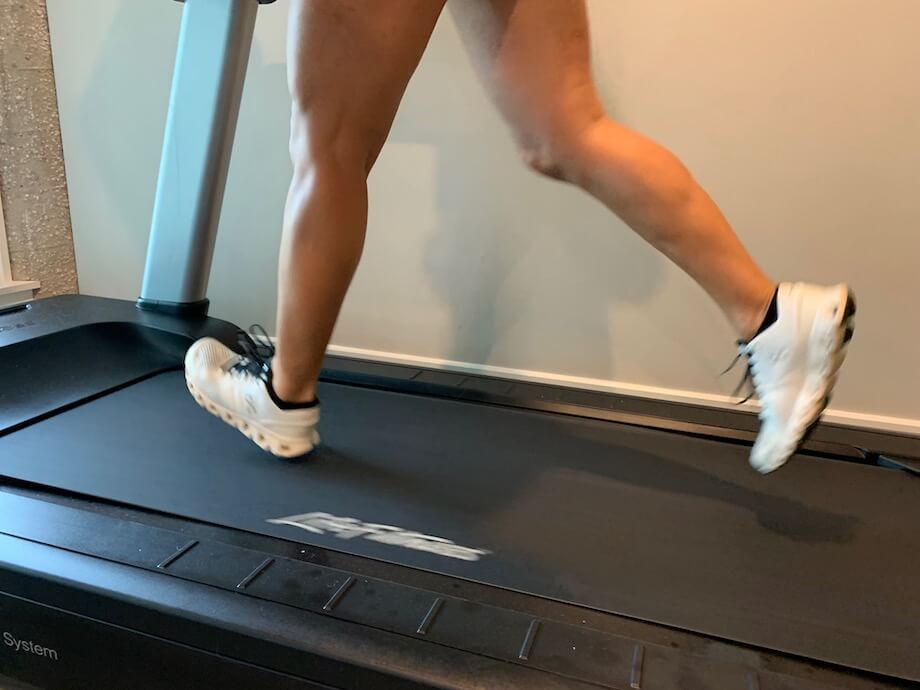
On Cloud Running Shoes

How Can I Build Up My Running Duration?

Building up your running duration without overtraining takes balance. Overtraining puts you at risk of injury, so it’s vital to gradually add running time to your training schedule. Start with one or two runs per week and as you build stamina, increase to three runs, then four, and then five (depending on your goals). 

Be Consistent

Consistency builds your aerobic base, improves your aerobic capacity, and strengthens your muscles. Design your training program and stick with it. You can find support from a certified personal trainer, running coach, or local running group.

Add a Long Run

To run longer, we have to practice running longer. A long run can help build your mental and physical capacity to rock those running goals even if you’re not a distance runner. But we can’t just go all in the right off the bat. Long run distances will vary among runners. Generally speaking, you can increase your long run by 5-10 minutes at a time.

Fuel Your Body

Putting in the work is key, but nourishing your body is essential. Make sure you get enough carbohydrates, protein, and fat to support your training demands. Your body depends on your nutrition for energy to rock your workout and repair muscle breakdown during recovery. If you have questions about your nutrition needs, a registered dietitian nutritionist can be a great asset to your training.

Recover, Recover, Recover

When building your running endurance, don’t forget to prioritize your recovery days. Our bodies are pretty incredible machines, but they’re not invincible. So make sure you get adequate sleep, stay hydrated, and take days off when needed.

How Often Should You Run: Final Thoughts 

One of the most common questions new runners may think is how often should you run to reach your goals? Designing the frequency and volume of your training is a personal process based on your fitness level, running experience, and many other factors. And, of course, training plans can change over time as you get stronger and build stamina. Keep putting in the work. Every run brings you one step closer to reaching your goals.

  • New runners should start with one or two runs per week.
  • Rest is key to keeping your body healthy and ready for training.
  • Cross-training can be an integral part of running training and keeping you injury-free.
  • You can build up your running duration by gradually adding running days to your training log.
  • If you’re limited on available days, you can add minutes to your scheduled runs to boost your weekly running volume.
  • Elite runners may run every day, but it is generally not recommended.

How Often Should You Run FAQs

Is it OK to go running everyday?

The short answer is no. You might be tempted to run every day, but it’s important to remember that your body needs rest. No matter your current fitness level, running every day can take a toll on the body. Try to include cross-training workouts and sprinkle rest days in as needed. 

Is running 30 minutes everyday enough?

Running for 30 minutes at a time is a great way to develop your cardiovascular system, reach your weight loss goals, and support your overall health. However, running every day can lead to burnout or overuse injuries. It’s essential to give your body time to recover between runs. Consider adding other forms of exercise, like strength training, to your training program.

Is running three times a week enough?

Yes, running three times per week can significantly impact your fitness level and influence many of your athletic goals. As you build strength and stamina, you may feel the need to increase how often you run during the week. Just be sure to schedule adequate rest days. 

How many days per week should you run?

The number of days you should run per week can depend on several factors, including your running experience, fitness level, time constraints, and injury concerns. Start by running every other day and cross-training or strength training between runs. 

References

  1. U.S. Department of Health and Human Services. Physical Activity Guidelines for Americans, 2nd edition. Washington, DC: U.S. Department of Health and Human Services; 2018.

Chelsea Rae Bourgeois, MS, RDN, LD

Chelsea Rae Bourgeois, MS, RDN, LD

About Author

Chelsea Rae Bourgeois is a registered dietitian nutritionist with several years of experience working in the clinical setting. Once a track and field athlete in the Southeastern Conference, she now finds joy in combining her passions as a health writer to help people embrace their wellness through nutrition and fitness. When she’s not writing, you can find her outside with her kids or dancing to Dolly Parton in the kitchen.

Further Reading

Rogue Deep Dish Plates Review: USA Made, Historically Accurate Weight Plates

Rogue Deep Dish Plates Review: USA Made, Historically Accurate Weight Plates

The Rogue Deep Dish Platesare the first made in America cast iron weight plate that Rogue Fitness has released. Harkening back to York Milled Plates, the Rogue Deep Dish Plates are accurate, priced extremely well, and look as good as they perform on a barbell for squats, deadlift, bench, and any other movement you’d like to perform. If you like the aesthetics, they’re one of the best value iron plates available.
Read More
Train Your Trunk With The Best Core Exercise Equipment in 2026

Train Your Trunk With The Best Core Exercise Equipment in 2026

Looking to take your core workouts to the next level? Check out our picks for the best core exercise equipment for 2023.
Read More
14 Exercises for a Muscle-Building Back and Shoulder Workout

14 Exercises for a Muscle-Building Back and Shoulder Workout

Try this muscle-blasting back and shoulder workout, designed by an Olympian weightlifter.
Read More
Kabuki Kratos Flywheel Review: Horizontal and Vertical Pulling in One Unit (2026)

Kabuki Kratos Flywheel Review: Horizontal and Vertical Pulling in One Unit (2026)

If you’re reading this, I assume you’re probably pretty familiar with the brand Kabuki Strength. In the past few years, they’ve put out some of my favorite products including the versatile Trap Bar, Transformer Bar V4, and New Generation Power Bar. Kabuki recently released a flywheel, and I’ve been itching to try it.In this Kabuki Kratos Flywheel review, I’ll walk you through what’s included, unique aspects of this product, and my final thoughts. As always, I’ll give you all the details you need to make a smart buying decision for you.For those of you who aren’t familiar with flywheel training, it can be an effective way to build strength within your body’s connective tissue. It can also increase overall power, muscle hypertrophy, and force.Essentially, it’s useful for eccentric overload training where the muscle is stretched during both the lifting and lowering of your reps. The resistance is inertia driven, which means it is all based on how much force the user puts into the movement with the flywheel.
Read More

On This Page

How Often Should I Run?
Factors to Consider
How Can I Build Up My Running Duration?
How Often Should You Run: Final Thoughts 
How Often Should You Run FAQs
References

Connect With Your Community

  • Facebook
  • Instagram
  • YouTube
  • https://www.google.com

Get the Latest Reviews & Updates

  • About
  • Careers
  • Privacy Policy
  • Terms of Service
  • Expert Panel
  • Affiliate Disclosure
  • Contact
  • Do Not Sell My Info
Reviews
  • Bells of Steel Olympic Weightlifting Barbell 2.0 Review (2026): Impressive Performance for the Price 

  • Ironmaster Quick-Lock Adjustable Kettlebell Review (2026): Is This Solid Kettlebell Handle Worth the Cost?

  • Giant V3 Kettlebell Review (2025): A Bell That’s Big on Quality, Bigger on Performance

  • Aviron Strong Go Rower Review (2026): Gamified Rowing on a Budget

  • Iron Bull Rubber Hex Dumbbells Review (2026): Classic Dumbbells With a Comfortable Grip

Equipment
  • Best High-Protein Meal Delivery (2026): 8 Options That Can Help You Build Muscle And Stay Full

  • The Best Home Saunas (2026): A Heated Approach to Recovery

  • Best Kettlebells (2026): 7 Expert-Tested Picks for Swings, Squats, and More

  • The 10 Best Functional Trainers for Your Home Gym (2026)

  • Best Pull-Up Bars (2026): Build Your Back (and More) With Our Top Picks

Guides
  • What Is Pre-Workout? An RD Reveals the Gym Juice Scoop

  • Guide to Protein Powder: Scoop the 411 From an RD

  • Infrared Saunas Buyer’s Guide: Everything You Need to Know to Break a Sweat With Confidence

  • The Ultimate Sauna Guide: Expert Tips on Benefits, How to Use, and More

  • What Foods Have Probiotics? Colon-Ize Your Plate with Help From a Dietitian

DIY
  • Your Expert Guide to Making Budget-Friendly DIY Ankle Weights  

  • Homemade Protein Powder: The Right Whey to Do Home-Cooked Protein

  • Building a DIY Rowing Machine: How to, Why, and Should You?

  • Try These DIY Cold Plunge Ideas To Jump-Start Your Recovery 

  • DIY Mass Gainer: You Make the Shake, and Your Body Makes the Muscle

The Most Trusted Voice in Fitness

© Garage Gym Reviews 2023 | All Rights Reserved.

GGR

  • About
  • Careers
  • Privacy Policy
  • Terms of Service
  • Expert Panel
  • Affiliate Disclosure
  • Contact
  • Do Not Sell My Info

The Most Trusted Voice in Fitness

© Garage Gym Reviews 2026 | All Rights Reserved.

Reviews
  • Bells of Steel Olympic Weightlifting Barbell 2.0 Review (2026): Impressive Performance for the Price 
  • Ironmaster Quick-Lock Adjustable Kettlebell Review (2026): Is This Solid Kettlebell Handle Worth the Cost?
  • Giant V3 Kettlebell Review (2025): A Bell That’s Big on Quality, Bigger on Performance
  • Aviron Strong Go Rower Review (2026): Gamified Rowing on a Budget
  • Iron Bull Rubber Hex Dumbbells Review (2026): Classic Dumbbells With a Comfortable Grip
Equipment
  • Best High-Protein Meal Delivery (2026): 8 Options That Can Help You Build Muscle And Stay Full
  • The Best Home Saunas (2026): A Heated Approach to Recovery
  • Best Kettlebells (2026): 7 Expert-Tested Picks for Swings, Squats, and More
  • The 10 Best Functional Trainers for Your Home Gym (2026)
  • Best Pull-Up Bars (2026): Build Your Back (and More) With Our Top Picks
Guides
  • What Is Pre-Workout? An RD Reveals the Gym Juice Scoop
  • Guide to Protein Powder: Scoop the 411 From an RD
  • Infrared Saunas Buyer’s Guide: Everything You Need to Know to Break a Sweat With Confidence
  • The Ultimate Sauna Guide: Expert Tips on Benefits, How to Use, and More
  • What Foods Have Probiotics? Colon-Ize Your Plate with Help From a Dietitian
DIY
  • Your Expert Guide to Making Budget-Friendly DIY Ankle Weights  
  • Homemade Protein Powder: The Right Whey to Do Home-Cooked Protein
  • Building a DIY Rowing Machine: How to, Why, and Should You?
  • Try These DIY Cold Plunge Ideas To Jump-Start Your Recovery 
  • DIY Mass Gainer: You Make the Shake, and Your Body Makes the Muscle