

Running is fantastic exercise: Gets your heart rate up, burns calories, and it can even elevate your mood. However, if you just go for a 30-minute jog every day, you may grow bored and even unenthusiastic, leading to excuses not to train. Worse, you may eventually stop advancing your fitness.
Like New York City bike messengers who work all day, you may become capable of incredible fitness feats, but your body begins to stagnate as it merely adapts to what you’re doing instead of being forced to make improvements. If you want to make real gains with your running, you’ve got to mix it up with something like treadmill speed training.
RELATED: How Fast Do Treadmills Go?
I’m one of the maniacs out there who loves cardio. I’m constantly pushing for more burpees and faster sprints. However, with years of training, I’ve learned that there are ways to feel the stimulation and intensity of running a 10K without running a 10K. If you’re looking to add in speed work, I’ve created four workouts to maximize your time and efforts.
Incline Workout
Incline workouts mimic the experience of walking or running up a mountain. According to one study in the National Library of Medicine, incorporating an incline in your treadmill routine burns more calories1 compared to walking on a flat surface. Incline straining also stimulates muscle growth in places like your glutes and hamstrings, and it has even been shown to be less stressful on your joints2.
Whether outside or on a treadmill, when you walk or run up a hill, your bodyweight becomes something you must carry as it acts as a form of resistance. Therefore, an incline treadmill forces your body to challenge itself and work harder, stimulating muscles more intensely while also challenging you to push yourself forward.
Try This:
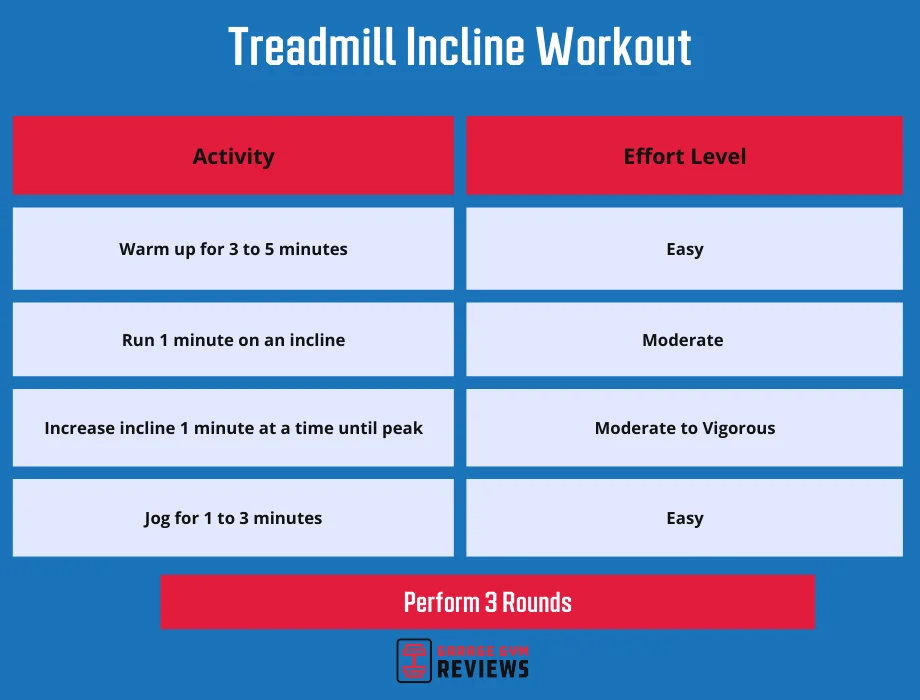
3- to 5-minute warmup at 0% incline, then:
3 Rounds:
- Run for 1 minute on an incline, increasing incline every minute until peak
- 1- to 3-minute jog at 0% incline
How to Do It:
- Start with a light walk or run to warm yourself up for 3 to 5 minutes.
- Begin to elevate your treadmill’s gradient gradually (this will vary based on your fitness level). Every time you raise the incline, run intensely for 1 minute. Continue to increase the gradient without a break until you feel you have reached your peak slope.
- Once getting to that maximum incline, drop the treadmill back down to its original position, and run or jog for 1 to 3 minutes.
- Repeat for several rounds.
Remember to maintain your running form and breathe as you adjust the monitor. I would suggest a minimum of three sets, always trying to push the incline steeper and steeper with every round.
Treadmill Interval Workout
Remember what I said about running a 10K without running a 10K? High-intensity interval training on a treadmill can do just that. It is an excellent choice for people short on time and a radically efficient way to train.
RELATED: HIIT Treadmill Workout
Like sprint workouts, interval training forces your muscles to demonstrate more explosive power. This can lead to the rapid growth of muscle mass, as well as increases to your cardiovascular system’s ability to deliver oxygen promptly while training.
Try This:
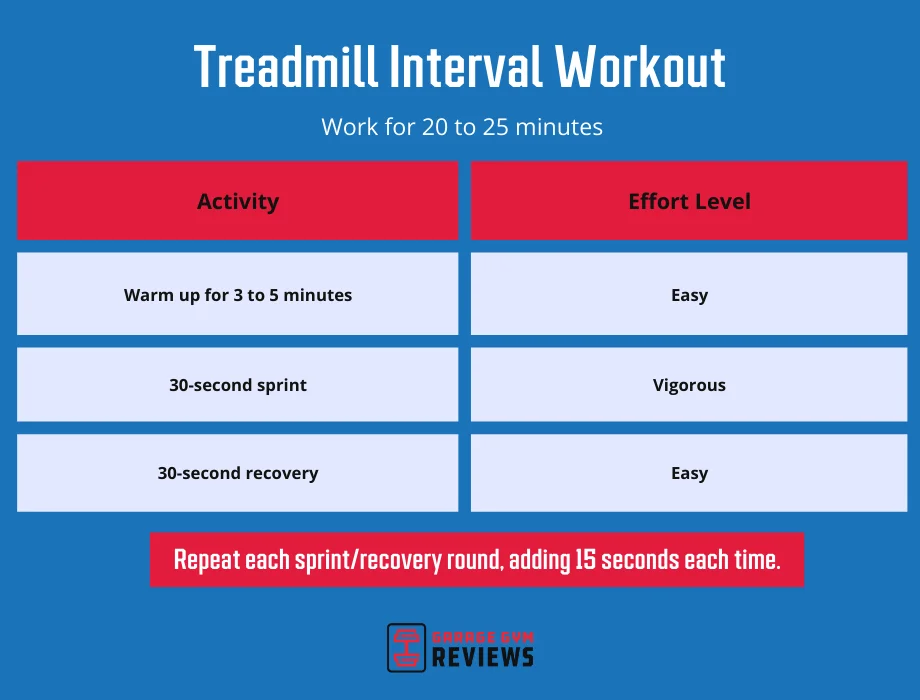
3- to 5-minute warmup at 0% incline, then:
20-25 Minutes:
- 30-second sprint
- 30-second walking or jogging cool down
- Continue by increasing each rep by 15 seconds
How to Do It:
- Warm up with a 3- to 5-minute walk or run.
- Set the speed to your hard sprint, and run for 30 seconds.
- Return to a comfortable walk or jog speed where you can catch your breath for 30 seconds.
- Repeat each round by increasing your time by 15 seconds.
Try to get your workout to a steady 30 minutes if you have the time or energy. Also, experiment with increasing your top speed if it feels safe to do so.
The times are also suggestions. You can cut your slow-down rounds while increasing your high-intensity rounds. This all depends on your comfort level. Furthermore, focus on using your slowed walk or run rounds to catch your breath. This can help to trick your body into thinking it is resting when it is not; a fantastic way to keep advancing your aerobic capacity.
Running Repeats
Running repeats is another way to challenge yourself in a short amount of time. What this means is that you pick a set distance and run it for several rounds, with rests like easy jogs or walks in between, with a target time for each run.
If you’re looking for endurance training, you may pick a longer distance, like an 800-meter or 1-mile repeat. If you want a higher intensity workout, choose shorter distances, like 200 or 400 meters. While you know your body can handle the distance, the challenge lies in forcing your body to tackle that distance more quickly.
Try This:
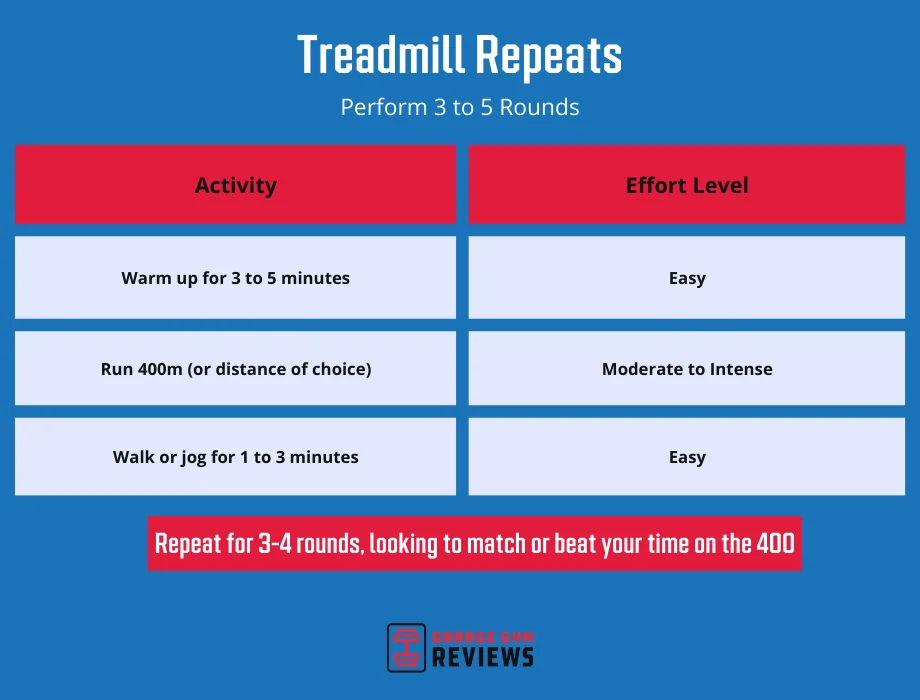
3 to 5 Rounds:
- Run 400 m (or your distance of choice) at a moderate-to-intense pace
- Cool-down walk or jog for 1 to 3 minutes
- Repeat 400-m run, but aim to match or beat your prior time
How to Do it:
- Start by establishing a distance you are comfortable with. This could be a few hundred meters or a few miles.
- Push the pace on the run.
- Jog or walk for 1 to 3 minutes for rest, depending on your distance, fitness level, and ability to cool down.
- Repeat for 3 to 5 sets, aiming to match or beat your previous time.
Fartlek Workout
Fartlek literally means “speed play” in Swedish. So, Fartlek training on your treadmill is pretty much just that: Speed training made “fun.” When Fartlek training, you don’t stop moving, and you don’t have a full rest. With constantly moving, you can test your body with various speed options.
The Fartlek helps challenge your cardio while also helping you discover new levels of speed you may have thought weren’t possible. The workout may sound chaotic or unstructured as if you’re about to DJ a treadmill monitor. However, I have an excellent “speed play” routine for you to follow below that can help you to understand the Fartlek and try it out for yourself.
Try This:
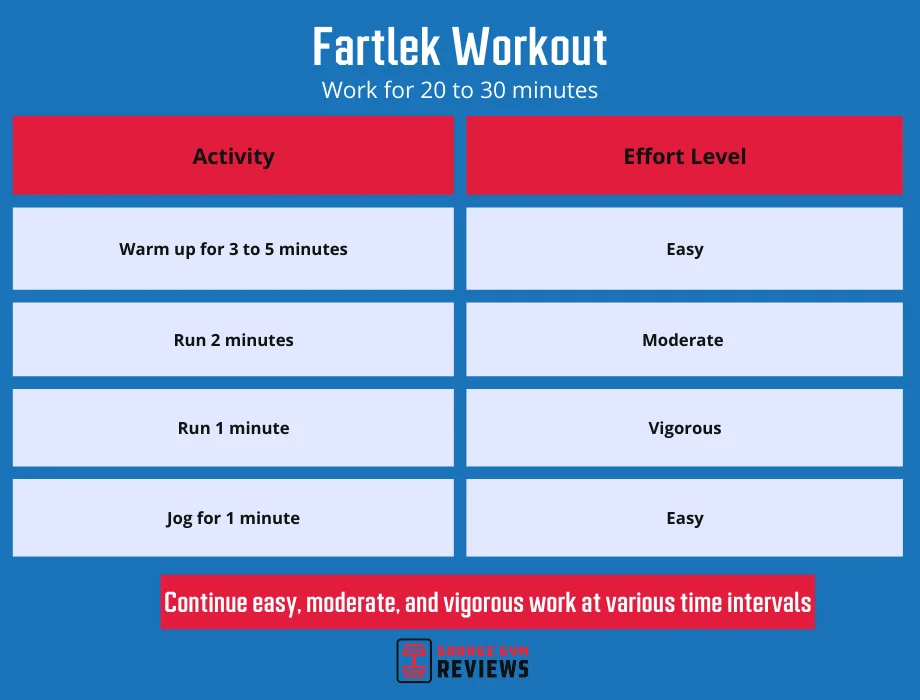
Go for 20 to 30 Minutes:
- Run at an easy pace for 3 to 5 minutes
- Run at a medium pace for 2 minutes
- Run at a maximum effort for 1 minute
- Jog or walk for 1 minute
- Run at a medium pace for 2 minutes
- Run at maximum effort for 2 minutes
- Continue by changing speed and time
How to Do It:
- Jog or run at an easy pace for 3 to 5 minutes.
- Run with medium effort for 2 minutes.
- Run hard for 1 minute.
- Walk for 1 minute.
- Run at medium effort for 2 minutes.
- Run hard for 2 minutes.
Repeat with various times and speeds. However, I suggest always using your maximum effort round to push your speed level higher (always with safety in mind). Continue as long as possible, but I would suggest aiming for a 30-minute workout or less.
What Type of Treadmills Work Best for Speed Training?
If you’re interested in picking up a good treadmill for speed training, it’s important to make sure you’re choosing one that meets your needs.
Here are a few considerations to keep in mind, as well as our recommendations for various specs.
Running Deck Size
If you’re going to be sprinting, the last thing you want to do is run into the console or fly off the back of the treadmill. We recommend avoiding compact exercise equipment and choosing a treadmill that has plenty of space to run.
The average treadmill has a running deck length of 55 inches, which is probably fine, but you may want to play it safe and opt for 60 inches or more, if possible.
Motor
The power of your treadmill motor, measured in horsepower (HP) or continuous horsepower (CHP), impacts the top speed your treadmill can reach, as well as how long it takes to get there. For regular speed work, we recommend looking for a treadmill with at least 3.5 CHP, though higher CHPs are available with more expensive treadmills.
Durability
Many treadmills tend to wobble or shake at high speeds, which can make sprinting feel unsafe. If possible, we recommend trying out the machine before purchasing it.
Since we know that’s not an option for many people, we always test and rate the durability and stability of a treadmill in our reviews, and our guide to the best treadmills for running has durability ratings for each one we tested.
Treadmill Type
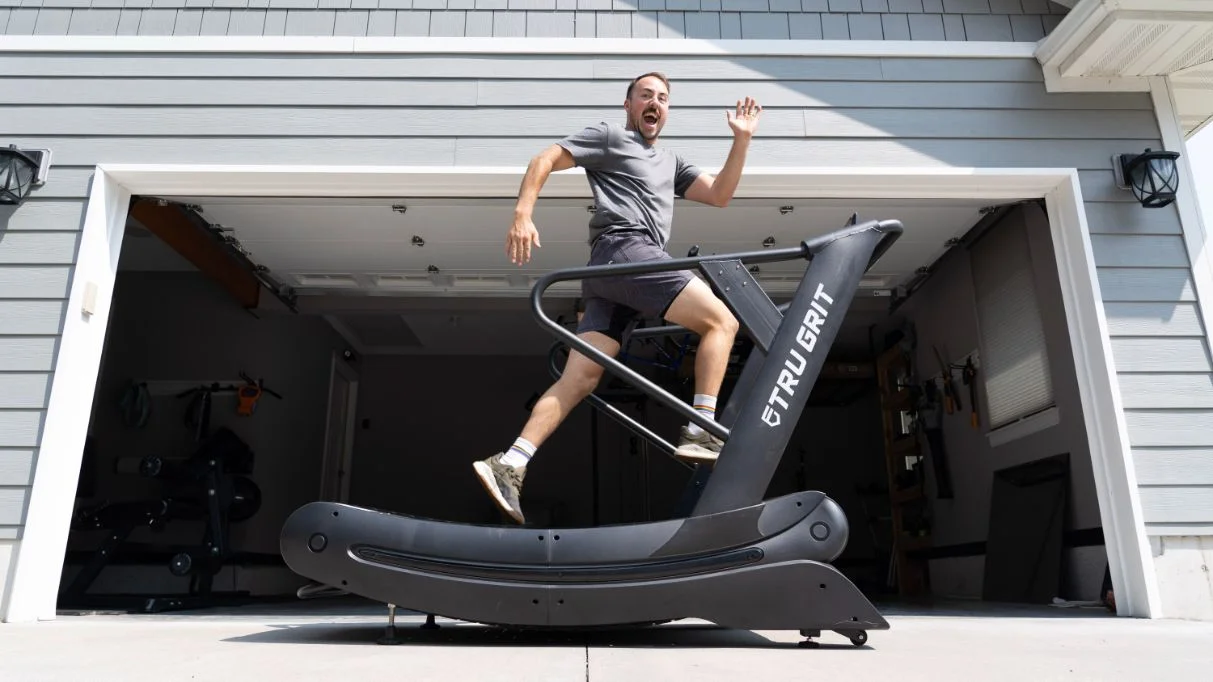
Finally, you may not need a motor at all. If you love sprinting, manual treadmills may be a great option.
As you run faster, the belt moves faster, allowing you to reach top speeds in a matter of seconds without having to wait for your motor to catch up. These machines can be excellent tools for speed work, especially interval training with regular speed changes.
Benefits of Running on a Treadmill
A treadmill gives you total control of your workout while having access to real-time data regarding your achievements. Here are a few key benefits to running on a treadmill:
Safety
Running outside is great. However, outdoor terrain can be unpredictable. Also, running on unstable or uneven surfaces can lead to inflammation or injury (sprained ankles and stressed knees, just to name a few). A treadmill’s flat and predictable surface can create some of the safest circumstances for running while preserving your knees and overall joint health.
If you’re running on your home treadmill, you have control over the environment you’re in. If you’re running on the streets, you may be subject to traffic and unwelcome company.
No Weather Concerns
This is an obvious benefit. Whether it’s pouring rain, snowing, or simply too hot outside, none of this applies to you running on a treadmill. Additionally, this limits your excuses not to train!
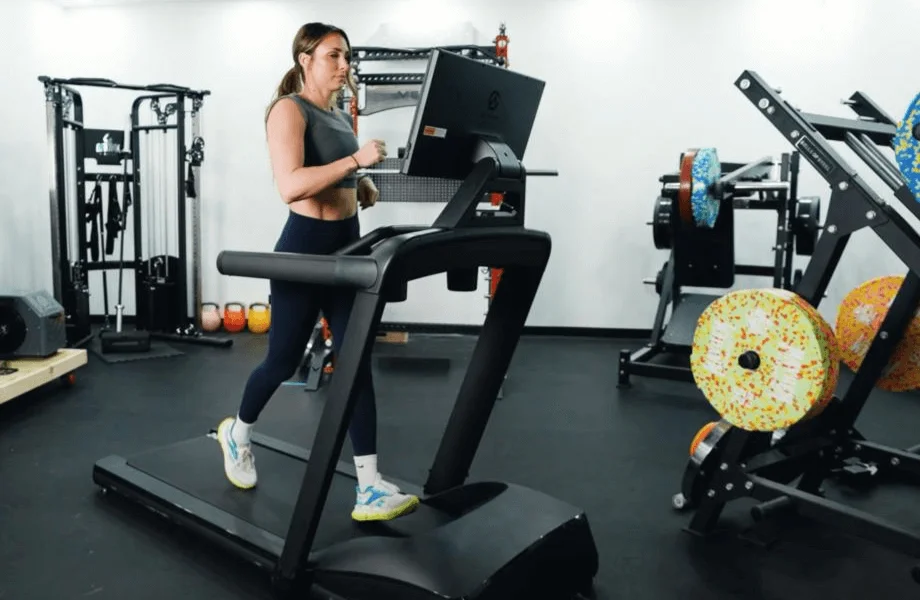
Speed and Incline Adjustments
You don’t need actual mountains to feel like you’re running on mountains when you own a treadmill. And while you may sometimes think you’re pushing yourself, you may just be stagnating. A treadmill allows you to test your ability to climb inclines and understand the specific elevation you are taking on as you do.
Additionally, a treadmill allows you to control and understand your speeds more accurately. This accuracy in reporting your overall performance helps you to draw precise conclusions and better understand your current fitness level and when you level up.
Best Treadmills for Speed Training — Our Picks
If you’re having a hard time finding the right treadmill for your needs, here are our top three picks for runners who want to focus on speed training.
NordicTrack Commercial 1750
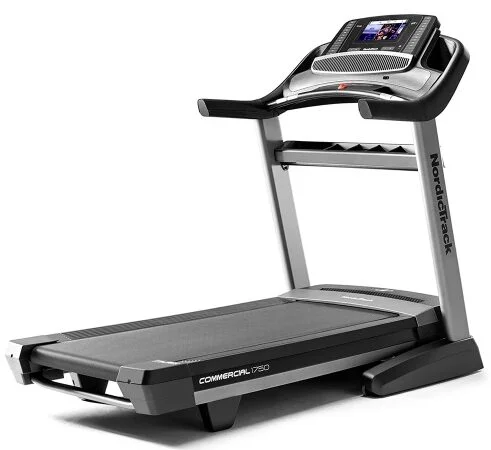









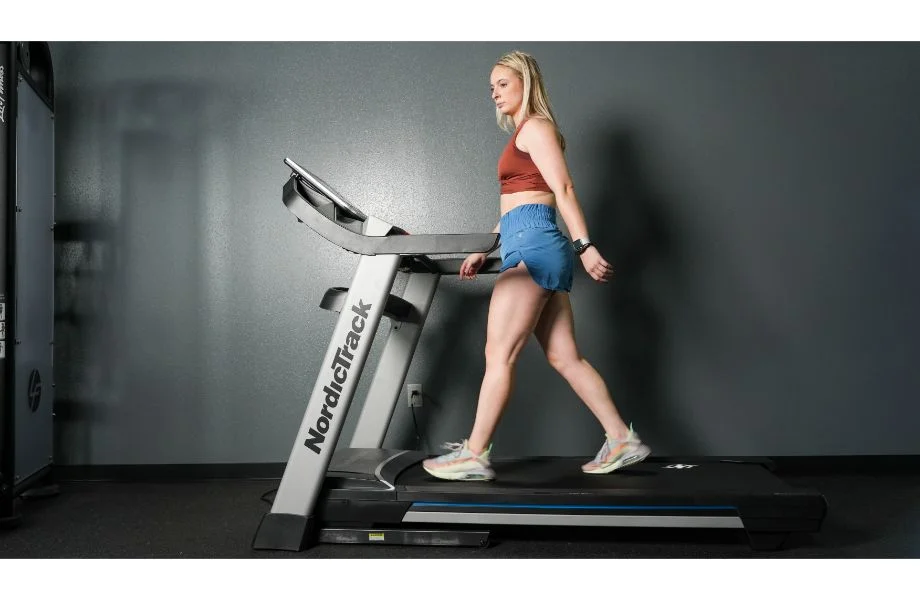
If you’re looking to add a workhorse of a treadmill to your home gym, we recommend the NordicTrack Commercial 1750. It’s one of the few treadmills that has decline training capabilities and is compatible with iFIT, one of the best training programs.
What our tester says:
“Overall this feels like a sturdy machine while remaining somewhat stylish – the update to the machine in terms of aesthetic is much appreciated.”
If you’re looking for a fantastic treadmill for all of your running needs, the NordicTrack Commercial 1750 is one of the best choices.
It features a 4.25-CHP motor, which allows users to reach speeds up to 12 MPH. That’s a 5-minute mile pace, which should be plenty of speed for most runners. Additionally, the spacious running deck is 60 inches long and can accommodate all but the tallest users.
For our full breakdown, be sure to read our in-depth NordicTrack Commercial 1750 review.
TrueForm Trainer
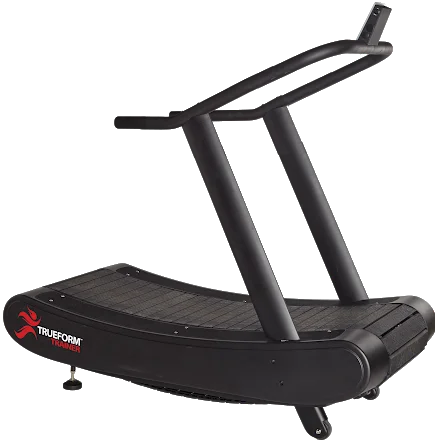
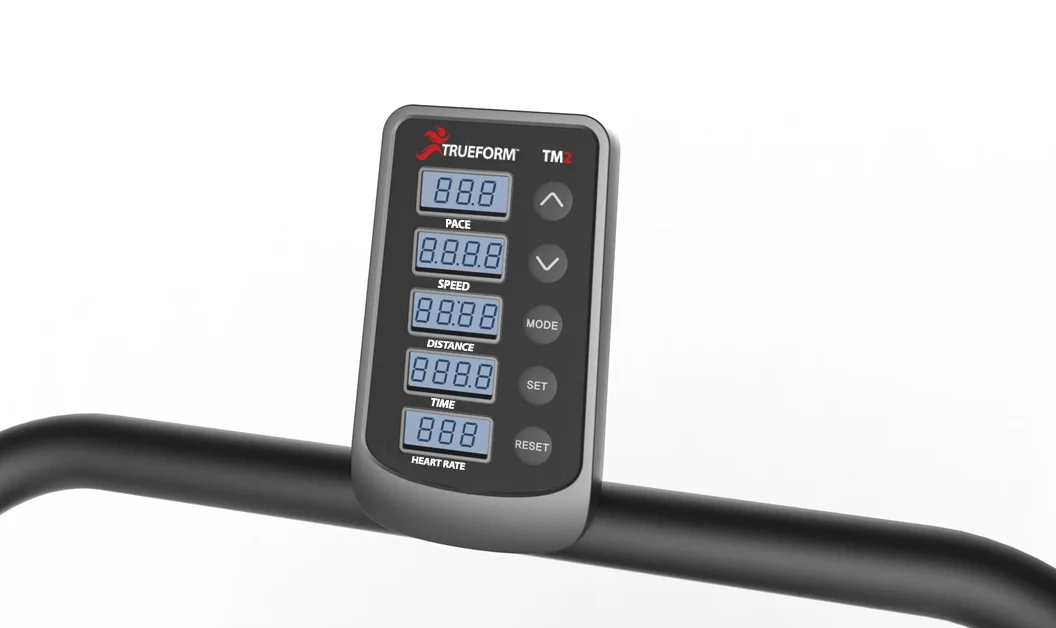
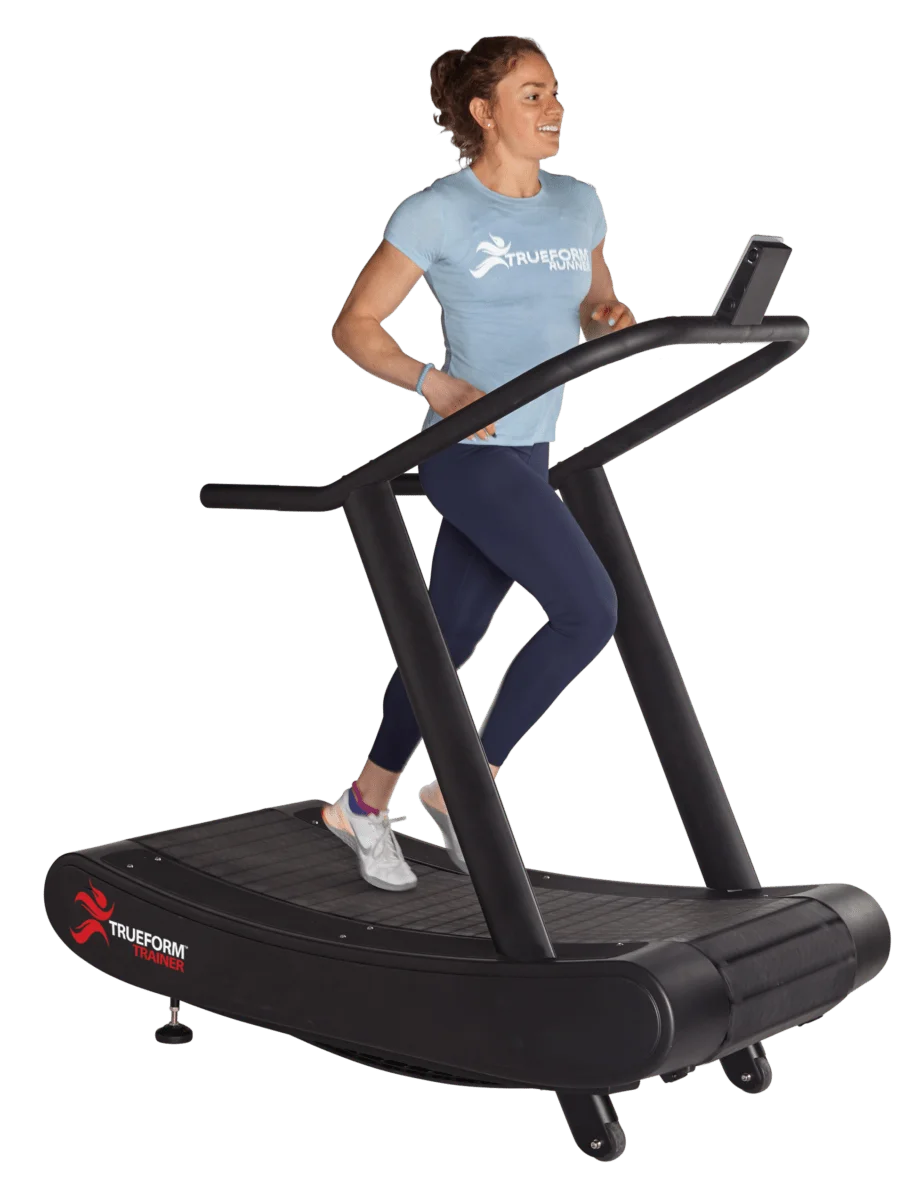
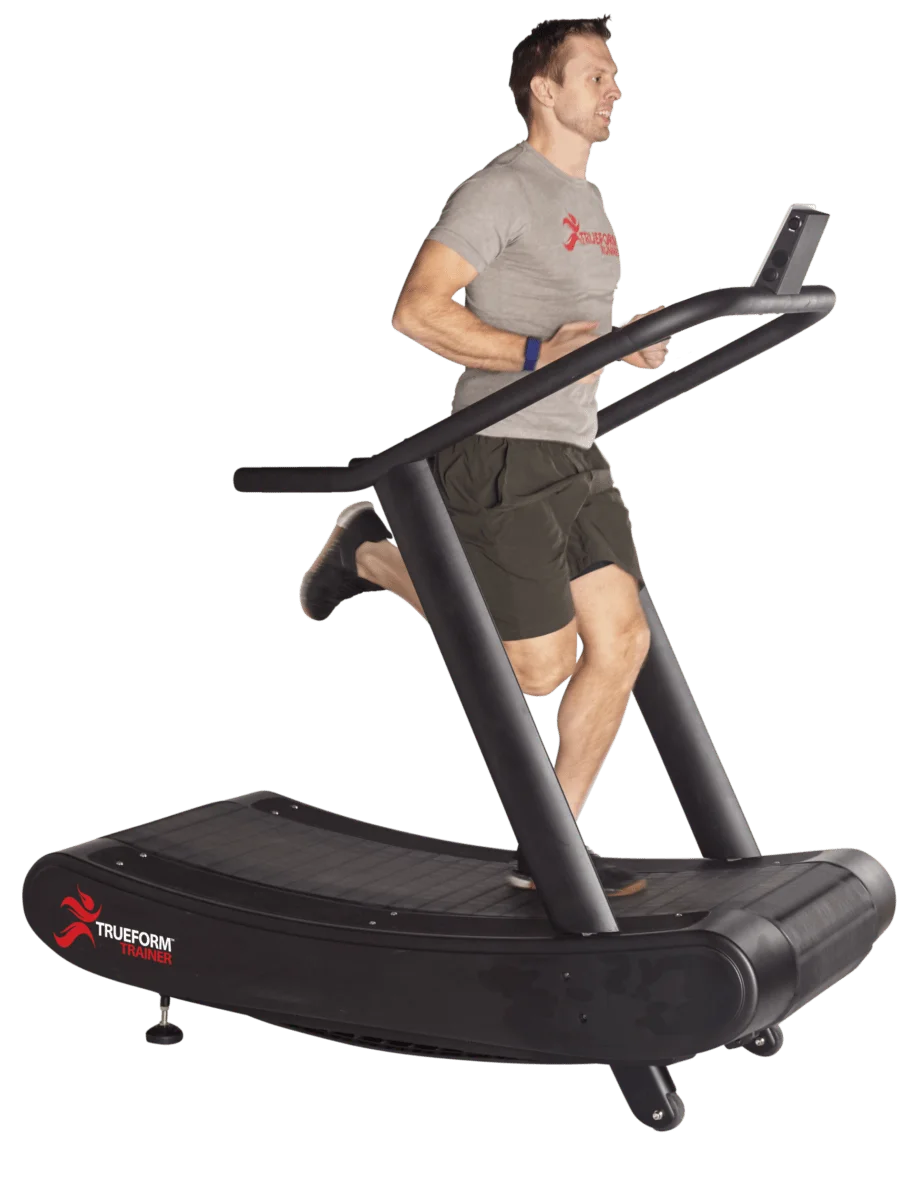

The TrueForm Trainer is a unique treadmill designed to help runners improve their form.
What our tester says:
“f you want a treadmill that is designed for home use and will improve your running performance, the Trainer would be our pick for most.”
If you’re interested in trying a manual treadmill, the TrueForm Trainer is one of our favorites.
Because it’s a manual treadmill, there’s no motor required. You can use it anywhere, and the responsive deck moves as fast as you do. This can be a great way to reach top speeds in a matter of seconds, which is perfect for speed training.
Additionally, the slightly curved deck provides a challenging yet ergonomic running experience, and many of our testers prefer sprinting on a manual treadmill instead of a traditional treadmill.
Check out our full TrueForm Trainer review to learn more.
Sole F63
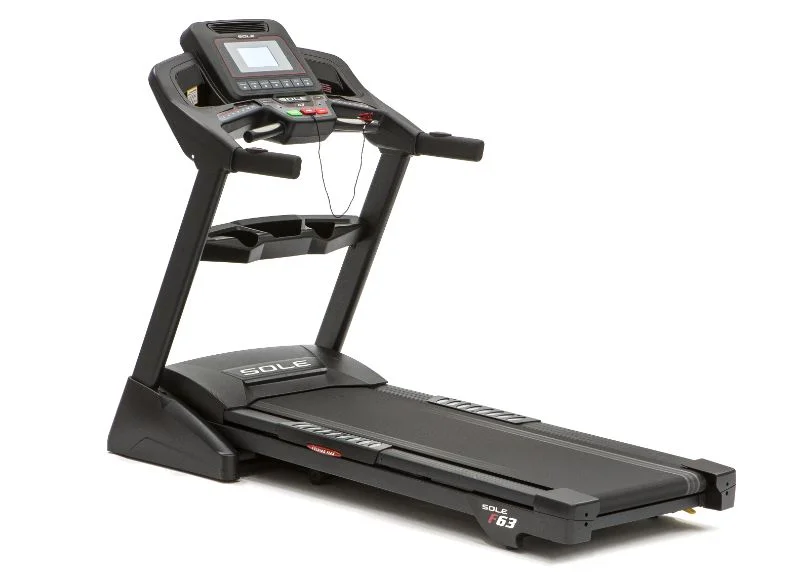


The Sole F63 Treadmill is an affordable option for people who want a powerful, reliable machine that folds without breaking their budget.
What our tester says:
“I feel like any new and beginner athlete that wants to get into a more cardiovascular based training would love this treadmill, especially if they had a little bit more money to spend on one.”
While budget-friendly treadmills typically aren’t going to work very well for speed work, the Sole F63 is an exception thank to its fantastic durability and power at an affordable price.
The 3.0-CHP motor supports speeds up to 12 MPH and incline settings up to 15%, so it’s very versatile. It’s also one of the most durable treadmills we’ve tested, and several of our GGR team members have personally owned this treadmill with no issues.
The 60-inch running deck offers plenty of space for tall users, too. It’s not the fanciest treadmill, but if you’re looking for something built to last, this is an excellent choice.
For more, read our full Sole F63 Treadmill review.
What Pace Should I Use For Treadmill Speed Training?
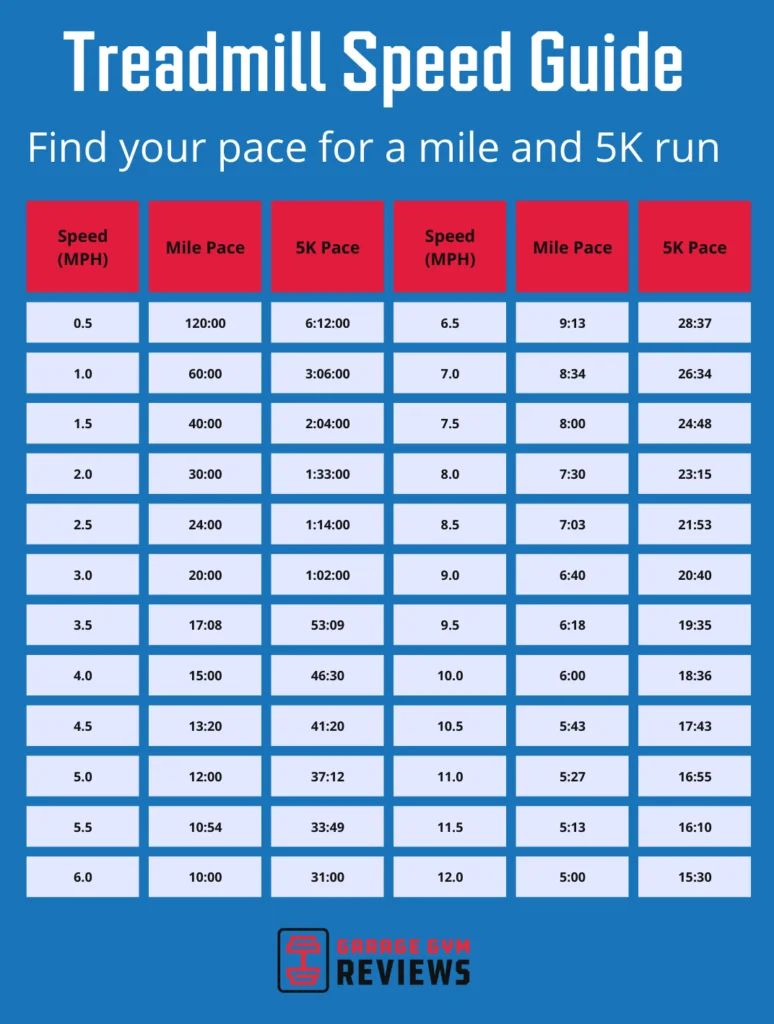
In treadmill speed training, you are always looking to push yourself further in a shorter period of time. How your routine looks though, depends on your current fitness level and goals.
From personal experience, I would suggest beginners consider experimenting with 2 to 7 MPH, with 2.0 for easy paces and 7.0 being top speeds. More intermediate or advanced runners try 5 MPH for easy paces to 11 MPH max speeds. Make note of the pace you’re using, and each week or every two weeks, push yourself to try to go even one-tenth of a mile faster.
Treadmill Speed Training: Final Thoughts
These workouts can allow for the diversification of your treadmill training. I suggest trying them all. Pick the most exciting one that prevents excuses and keeps you returning for your regular workout. If you max out or get bored, try another routine or consider pushing your current one further.
These routines, especially interval training and running repeats, can be incorporated into a broader treadmill workout routine that includes breaks for additional cardio or strength training alongside your at-home machine. While these are all guidelines, it’s essential to constantly diversify and get creative to prevent boredom, burnout, or physical stagnation.
Finally, the goal is always to push further, but it’s essential to understand where you stand now. So please, start from a safe place, and work from there. If you’re starting from scratch, don’t get frustrated. Regardless of where you stand, always remember that growth is the goal, and the secret is to begin.
Treadmill Speed Training FAQs
Are treadmills good for speed training?
Treadmills are perfect for speed training. When we run outside, maybe we are excited by a song or pushed by the wind and assume we are breaking barriers and achieving new goals. However, despite what we may think, genuinely understanding our speed, incline and the actual numbers behind our training is not really possible without the help of technologies such as a treadmill.
Furthermore, running can be dangerous. If done incorrectly, it can be harmful to your knees and cause damage to your joints. Treadmills help you master a safe and healthy running technique by offering an even and predictable surface to train on. Rounding corners, passing pedestrians and running over broken sidewalks not only add risk to your run, but they do not allow for the safe acceleration of your body and steady increase of your routine.
On a treadmill, you can know the precise numbers of your accomplishments and have a safe place to push yourself further. Running is beautiful, as you can do it anywhere and with little equipment. Additionally, it is one of the most efficient exercises for weight loss. However, owning a treadmill gives you a significant and safer advantage over outdoor runners when it comes to challenging yourself and achieving your fitness goals.
How fast is 7.0 on a treadmill?
A speed of 7 MPH on a treadmill will give you an 8:34-mile time, approximately. For distance running, this is a quality intermediate pace. For speed training, though, I would look to go over 7 MPH for intense rounds and under when catching your breath.
RELATED: Treadmill Pace Chart
What is a good treadmill running speed?
A good treadmill running speed depends on your experience and the type of workout you are doing. I would start with 3 to 5 MPH on a treadmill for beginners or out-of-shape runners looking to do distance runs rather than speed training. For intermediate and advanced runners, I suggest 6 to 9 MPH for longer distance training.
It’s best to get on the treadmill and see where you stand. Push yourself, but there is no point in starting by burning yourself out. Instead, find a speed where you are comfortable and increase it to one you are less comfortable with but can manage. Continue this experience-based approach in long-term distance training or treadmill speed training routines.
References
- Silder, A., Besier, T., & Delp, S. L. (2012). Predicting the metabolic cost of incline walking from muscle activity and walking mechanics. Journal of Biomechanics, 45(10), 1842–1849. https://pmc.ncbi.nlm.nih.gov/articles/PMC4504736/
- Haggerty, M., Dickin, D. C., Popp, J., & Wang, H. (2014). The influence of Incline Walking on joint mechanics. Gait & Posture, 39(4), 1017–1021. https://pubmed.ncbi.nlm.nih.gov/24472218/