

As with most fitness questions, the answer to, “Is running on a treadmill bad for you?” is, well, it depends.
It’s difficult to give a definitive answer because there are many variables to consider, and everyone’s situation is unique. From a fitness and health perspective, running outside can be a better option for most people. It teaches the body to move itself without relying on a machine, while also allowing you to reap more health benefits simply from being outside.
If you don’t have access to a safe outdoor area for exercise, though, treadmill running can help keep a highly beneficial activity in your fitness routine. After all, some exercise is always better than none, and whatever allows you to stay consistent should be encouraged.
Ultimately, you’ll need to weigh the advantages and disadvantages and to the best choice for yourself. However, our expert breakdown can help you decide if a treadmill is the right fit for your needs.
Can Running on a Treadmill Cause Injury?
It’s important to acknowledge that at some point or another, everyone sustains an injury. Injuries can occur while exercising, running, or even while doing everyday tasks that don’t seem particularly risky.
Injuries can be acute, meaning they’re caused by a singular event such as a fall, or they can be chronic, meaning they develop gradually through overuse. Accidents can happen, so injuries aren’t always avoidable. That said, you can build habits that reduce both your risk and their potential severity.
When it comes to running on a treadmill (and running, in general), there are a few factors that can lead to injury.
Not Warming Up
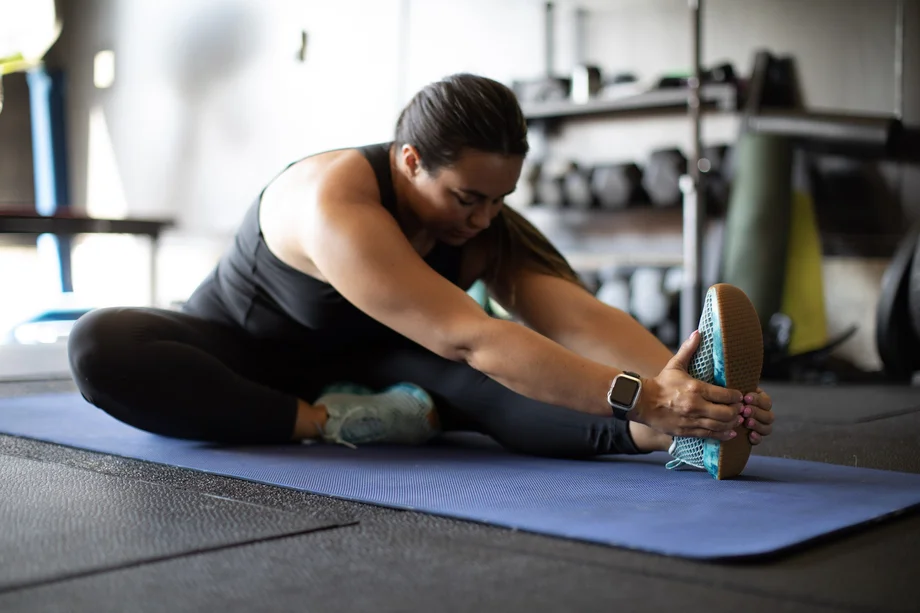
One of the main ways people get injured while using a treadmill is that their bodies are not conditioned for running. Instead of gradually ramping up the pace and distance, they go right into 30 minutes or more on the treadmill. When that happens, their joints are not prepared for that workload.
RELATED: How to Use a Treadmill
Another major faux pas is skipping your treadmill warm-up. This is how injuries happen: You ask the body to do something it is not physically prepared for. When you place more stress on tissues than they can handle, something will eventually give. This can rear its ugly head in the form of knee pain, hip pain, or shin splints.
To help avoid those issues, here’s an easy warm-up protocol you can implement:
- 1-minute walk at an easy pace
- 30-second jog
- 30-second walk
- 1-minute run at a moderate pace
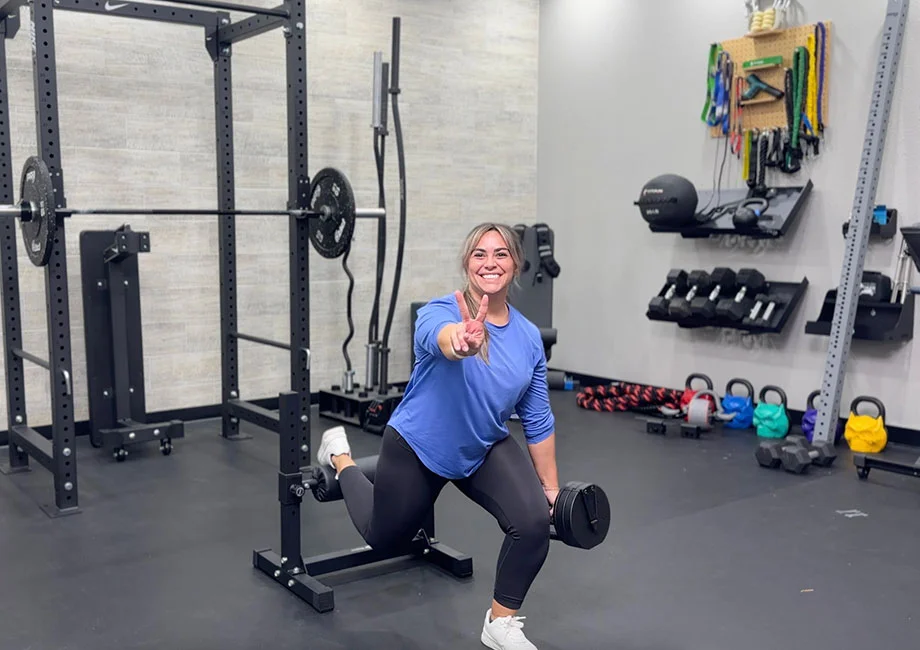
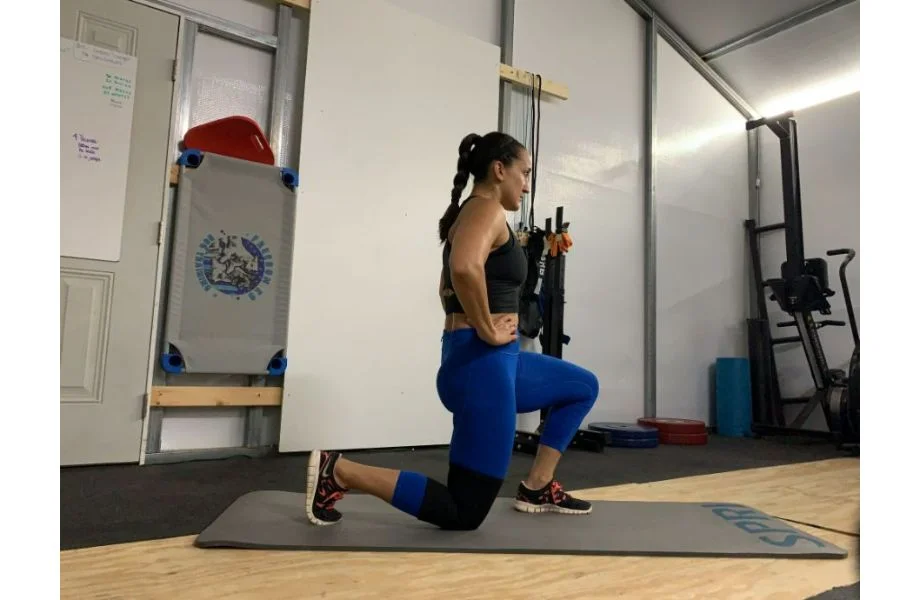
- 30-second slow walking lunges on the treadmill
- 1-minute jog
Overuse
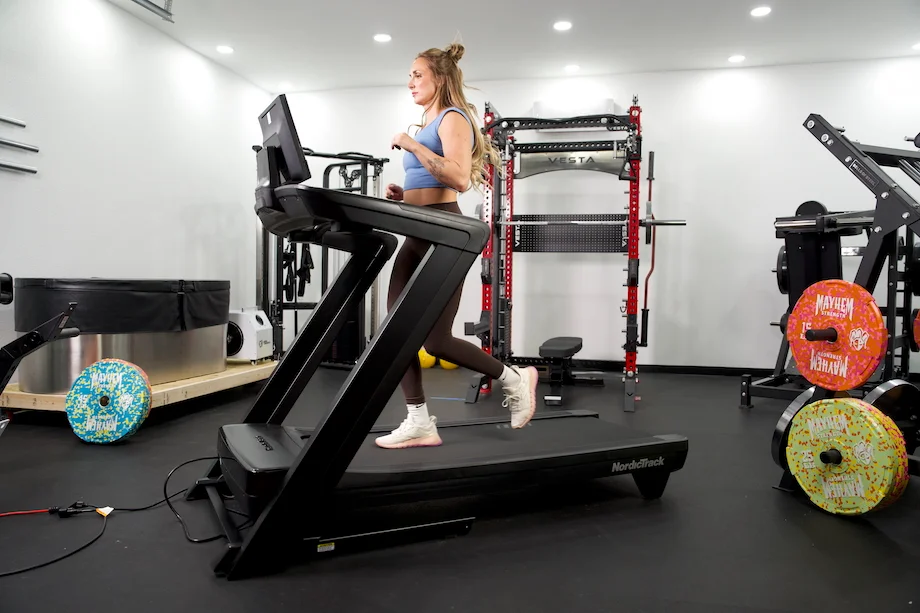
Even experienced runners can sustain overuse injuries if they do not take care of their bodies. Exercise is good for the body, but it also breaks it down. Resting allows the body to repair itself, so it can become stronger and better-conditioned. Going for long runs on the treadmill day after day without rest and recovery can eventually lead to an overuse injury because the repetitive motion primarily targets the same muscles and joints.
How, then, can you set yourself up for sustained success? Here are a few expert tips to avoid overuse injuries:
- Avoid major spikes in distance or intensity
- Pencil rest days into your routine, especially after longer or more intense runs
- Take a de-load week to lighten your workload and prevent overtraining
- Implement cross-training exercises for a more balanced approach
RELATED: How Often Should You Run?
Moving In One Direction

Running on a treadmill only moves the body in a forward motion, but your body also needs to be able to move in all directions. If running on a treadmill is your only form of exercise, then the muscles that move your body in all the other necessary ways can become neglected and less reliable.
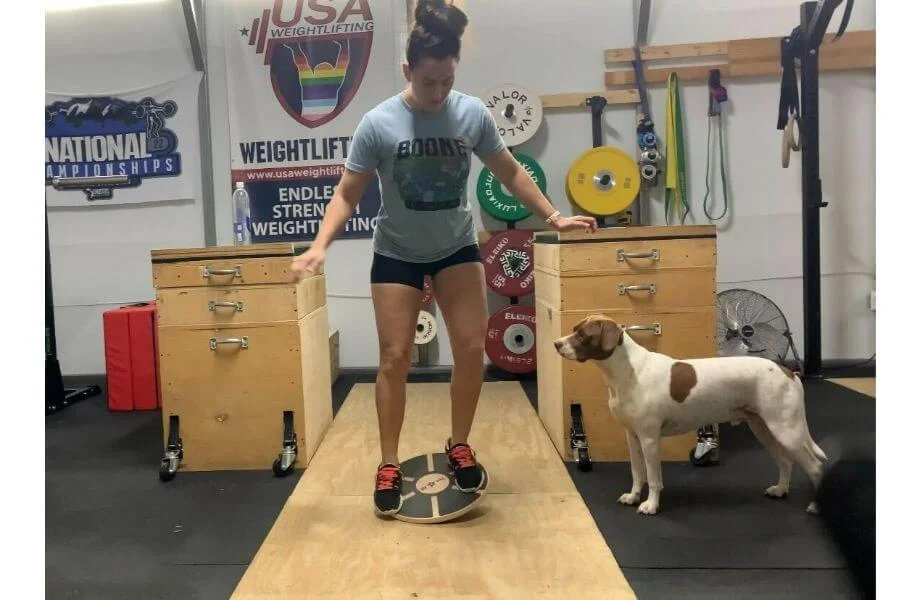
If you primarily run on a treadmill, look to schedule exercises in your routine that also work the secondary muscle groups to help prevent muscular imbalances. This could include balance exercises like single-leg stands and single-leg Romanian deadlifts, along with dedicated strength training workouts.
Mobility work is also crucial to making sure your joints stay as healthy as possible. Think about including exercises that move the body laterally and rotationally, such as side lunges and Russian twists. To have the least risk of injury possible, you need to be able to confidently and comfortably move your joints through a full range of motion.
Advantages to Running on a Treadmill
There are pros and cons to getting your cardio workout from a treadmill. Let’s take a look at the advantages, first.
Controlled Pace and Incline
When running outside, the road and terrain can have a significant effect on your pacing. If you are in a hilly area, for example, it may be hard if you are training to hit specific pacing numbers. On a treadmill, the belt will move at whatever speed you set it at, and it is just your job to keep up.
Being able to adjust the incline allows you to simulate running on hills at exactly your preferred stimulus, as well. Having the option to adjust these variables at your own discretion opens up the possibility for specific interval training workouts that can help improve your fitness even more.
Both of these factors are key for beginners. When you start with aerobic exercise, you may need some help figuring out what your ideal pace is or how to handle running on hills. The treadmill can be a great place to test the numbers, since you can easily dial things back if your heart rate spikes too high or the work becomes too much.
RELATED: Treadmill Pace Chart
Controlled Environment
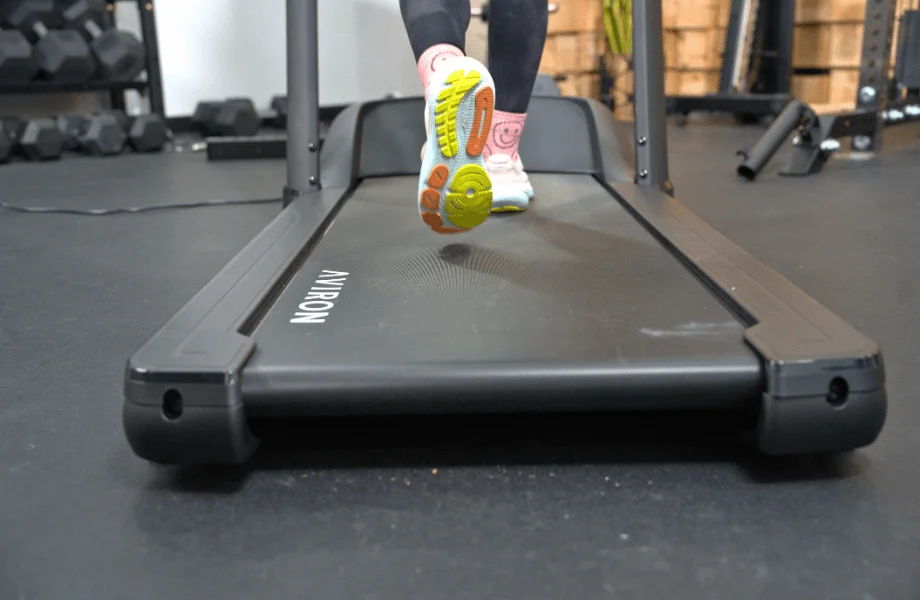
When running outdoors, the terrain and weather can be unpredictable. Runners want to be able to trust the surface that their feet are coming in contact with in order to keep consistent strides and prevent injuries like an ankle sprain.
Bad weather also creates challenges. If there’s precipitation or extreme hot or cold temperatures, you may be less likely to run outside (or more likely to sustain an injury or illness). On a treadmill, the running environment will be the same every time. The surface that your feet are striking will remain consistent, and there will be no weather elements to deal with.
Convenience
Not everyone has access to roads or greenways that they are able to run on consistently. Having a treadmill at home provides the ultimate convenience of being able to run whenever you want. Many excuses for not going on a run are virtually eliminated when having your own personal treadmill to use in the comfort of your home.
May Be Easier on the Joints
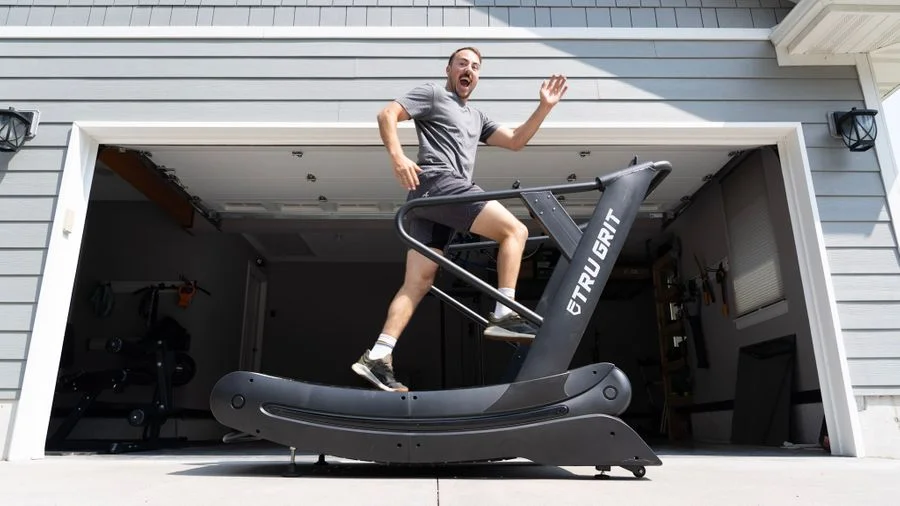
Running on asphalt or concrete can increase the impact felt on the joints from running. A treadmill’s construction can help absorb the shock and impact from the ground with every foot strike. Setting the treadmill at a slight incline can also help reduce the impact on the knees and put more focus on the glutes and hamstrings. Curved treadmills are even easier on the joints and can call for more posterior chain engagement.
RELATED: Best Treadmill for Bad Knees
Disadvantages of Running on a Treadmill
There are a few reasons you may find treadmill workouts particularly challenging or not as engaging as hitting the pavement or trails. Let’s take a look at some of the drawbacks of using this popular cardio machine.
Changing Your Gait
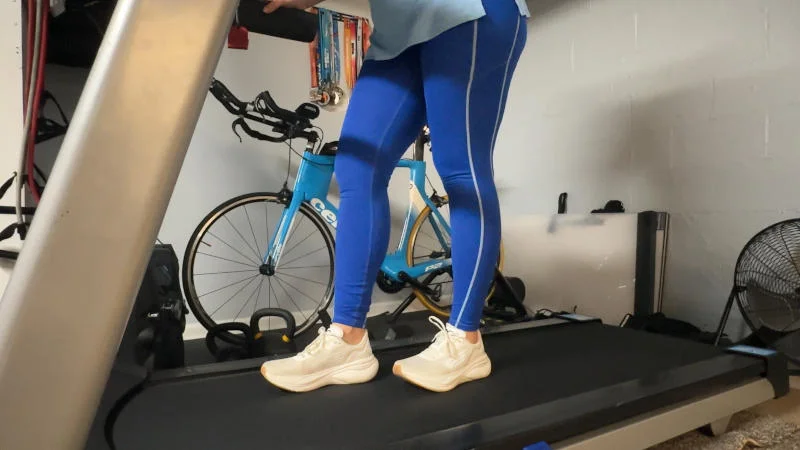
It’s possible that running on a treadmill can change one’s gait. In fact, research1 suggests that several key parts of your running form are different on a treadmill than they are if you run outside. This happens for a few reasons. For starters, treadmill treadmill cushioning isn’t as hard as an asphalt-paved road. Also, the moving belt turns at whatever speed it is set at. Therefore, your turnover has to match the speed of the belt, which can take some getting used to.
Researchers found that as people running on a machine would change their stride2, the position of their foot strike changed, as well, and there were other deviations from normal running form as they acclimated to the exercise.
Does this have major implications? Probably not. If you’re just trying to burn calories and improve your cardiovascular fitness, you can still accomplish that with a longer stride and a change in foot strike. If you’re a seasoned runner concerned about form, however, you need to at least account for the change you might feel moving from outdoor running to treadmill running.
GGR Recommends
We chose the Horizon 7.4 AT Treadmill as our best overall cushioned treadmill because of its 3-Zone Variable Response Cushioning technology that provides feedback at three different points in your running stride. Here are some other standout features from our top pick:
- 22” x 60” deck can accommodate runners with longer strides
- Built-in QuickDial controls to rapidly adjust the speed and incline levels
- Durable 1.6-mm, 2-ply silicone belt
- Bluetooth connectivity with external apps
It’s worth noting, too, that using a manual treadmill could prevent these effects. Also, there are curved treadmills that can actually promote better running form.
Can Get Boring
Running in place can get boring very quickly. The scenery stays relatively the same. Moreover, there is a screen right in front of you tracking time and distance. Watching the seconds and tenths of a mile tick off can make a long run seem even longer.
Running can be a chore for most people, and having to do it on a treadmill may make it even less enjoyable and exciting than when outside with changing views and observable nature. Running outside may also give a sense of accomplishment, as you can visually see how far you have gone as you work toward your fitness goals.
Getting Access to a Machine
A quality treadmill can be expensive and take up a lot of room, eliminating the option for some to have one at home. This means that you may need to get a gym membership to have access to one. Along with a membership, you now also have to fit in gym time into your schedule to get your running in. If you are only able to make it during peak hours, then you may find that many of the treadmills, if not all, are taken.
For running outside, you just need your body and a decent pair of running shoes. Night owls or those who run early in the morning can also pick up a running headlamp for added safety and visibility.
RELATED: How to Choose Running Shoes
Less Time Outdoors
People spend a lot of time indoors because of schedule constraints like work and school, meaning they miss out on the benefits of being outside in fresh air and sunlight. Spending time outside can help to relieve stress and anxiety. Sunlight helps to produce vitamin D in the body, an essential nutrient, as well as boost serotonin in the brain, which helps to keep you calm, positive and focused. Running on a treadmill inside denies the body access to all these potential benefits.
RELATED: Exercise And Mental Health
Is Running On a Treadmill Bad for You? Final Thoughts
There are both advantages and disadvantages to consider when thinking about running on a treadmill. Whether running on a treadmill is “bad” depends on individual circumstances, as well as how a person plans to incorporate a treadmill into their exercise routine.
Running outside may be better for the body than a treadmill in terms of preserving a natural gait pattern. A treadmill can still provide many benefits, though, and may be a good lower-impact option compared to running on a hard surface like concrete. If being able to use a treadmill makes the difference between someone running or not, then they shouldn’t be shy about using the machine.
- Upside of Running Outside: Running outdoors will more effectively improve your running capacity because your legs have to do all the work to move your body, whereas a treadmill goes at its own pace regardless of your effort. Plus, running on a treadmill can be less engaging and doesn’t allow you to enjoy the other positive physical and mental health benefits of being outside.
- Controlling Your Environment: Using a treadmill allows you to control more variables during your run, such as pace, incline, running surface, and the overall environment. It can also be easier on your joints than less-forgiving surfaces like asphalt and concrete.
- Be Aware of Your Body: Whether it’s not being physically prepared or not giving your body enough time to recover, you can quickly go from running on a treadmill to sitting on the sidelines with an overuse injury. Listen to your body and give it adequate time to rest when it’s becoming worn down and not responding as well to exercise.
- Balance Your Workload: If you are going to use a treadmill regularly, it’s important to include other forms of exercise in your routine to reduce your risk of injury. Including strength training and mobility work will not only help keep you healthy but can also help you get more out of your running.
Is Running On a Treadmill Bad for You? FAQs
Is it better to run on a treadmill or outside?
For someone with no joint issues as well as access to safe roads or paths to run on, running outside may be the better choice. There are more health benefits to running outside, and it can improve your running more than being on a treadmill. That said, if you need a controlled space and environment, then running on a treadmill can be more ideal.
Is running on a treadmill every day bad for you?
Ideally, it is good to take at least one rest day each week. Running every day is fine as long as you cycle your workouts with different distances and intensities. Going for long runs every day can eventually wear down the body, but varying between long and short or high- and low-intensity can help to allow you to run more often.
Is it healthy to run on a treadmill?
I wouldn’t say running on a treadmill is or isn’t healthy. Rather, it depends on how you do it, how often, and how much. Using it as a way to supplement outdoor running when you can’t make it outside can be a perfectly healthy way to incorporate the treadmill into your regular routine. Using a treadmill so much that your body breaks down faster than it can repair itself, though, can make it unhealthy (similar to any other form of exercise). When done in moderation, treadmill running can be as healthy as any other cardio discipline.
References
- Van Hooren, B., Fuller, J. T., Buckley, J. D., Miller, J. R., Sewell, K., Rao, G., Barton, C., Bishop, C., & Willy, R. W. (2020). Is motorized treadmill running biomechanically comparable to overground running? A systematic review and meta-analysis of cross-over studies. Sports Medicine, 50(4), 785–813. https://doi.org/10.1007/s40279-019-01237-z
- Hanley, B., & Mohan, A. K. (2014). Changes in gait during constant pace treadmill running. Journal of strength and conditioning research, 28(5), 1219–1225. https://doi.org/10.1519/JSC.0b013e3182a38796