
If amino acids are famously referred to as the building blocks of proteins, then proteins are the building blocks of muscle. Imagine asking your body to build a house (new lean body mass), but not giving it any bricks to do it with (dietary protein).
To build lean body mass, it is required to consume what are called “essential amino acids” which are a type of amino acids the body cannot make on its own and must be obtained from food. Therefore, as you can gather, when trying to build muscle you must pay close attention to how much protein you’re eating and if that protein contains these essential nutrients.
However, how much protein to gain muscle do you need to eat to get enough amino acids to build lean body mass? Can you get essential amino acids from all high-protein foods? Do you have to do resistance training or is a high-protein diet enough? Let’s take a look at the protein requirements to build muscle and how factors like age and activity level affect protein needs.
Medical disclaimer: This article is intended for educational and informational purposes only. It is not intended as a substitute for medical advice. For health advice, contact a licensed healthcare provider.
How Much Protein Should I Eat Per Day To Gain Muscle?
Let’s look first at the average daily recommendation for protein before getting into the amount needed to build muscle.
Protein Requirements for the Average Person
The Dietary Guidelines for Americans1, which features the recommended dietary allowance for all nutrients, currently recommends 0.8 grams of protein per kilogram for the general population.
For those who aren’t fans of math, know that dividing your weight by 2.2 pounds gives you your weight in kilograms. So, if you weigh 140 pounds, you would need 51 grams of protein daily, according to the USDA. If this sounds low to some of you, it’s because this is for non-athletes. The USDA bases their recommendations on the assumption that everyone eats a 2,000 calorie diet and they recommend that protein makes up 10% to 35% of your daily protein intake.

However, as you can see, this range is quite large and it gets even more complicated considering that a 2,000 calorie diet is not suitable for everyone when figuring in physical activity level, current weight, and future weight goals. Furthermore, even if you go with 35% of your daily calories coming from protein, what if your daily calorie needs are low? You probably won’t get enough protein.
Protein Requirements for Building Muscle
So, studies have shown that, for normal, healthy adults simply trying to put on some muscle, 1.3 grams of protein per kg of body weight is a more effective guideline to follow. This would translate to about 0.6 grams of protein per pound of body weight2.
Finally, it’s important to note that a combination of sufficient protein and resistance exercise is the best way to build muscle mass. It’s not enough just to eat a ton of lean meats and chug protein supplements every three hours. To build muscle mass, the body has to experience adaptations. Muscles grow bigger to adapt to future loads they may have to endure, which is why bodybuilders get bigger the more they lift.
Protein serves to repair the damage done by these heavy loads, which is what causes bigger muscles. So, if you are simply eating protein without engaging in resistance exercise, any appreciable amount of muscle growth isn’t going to happen.
Protein Requirements for Athletes
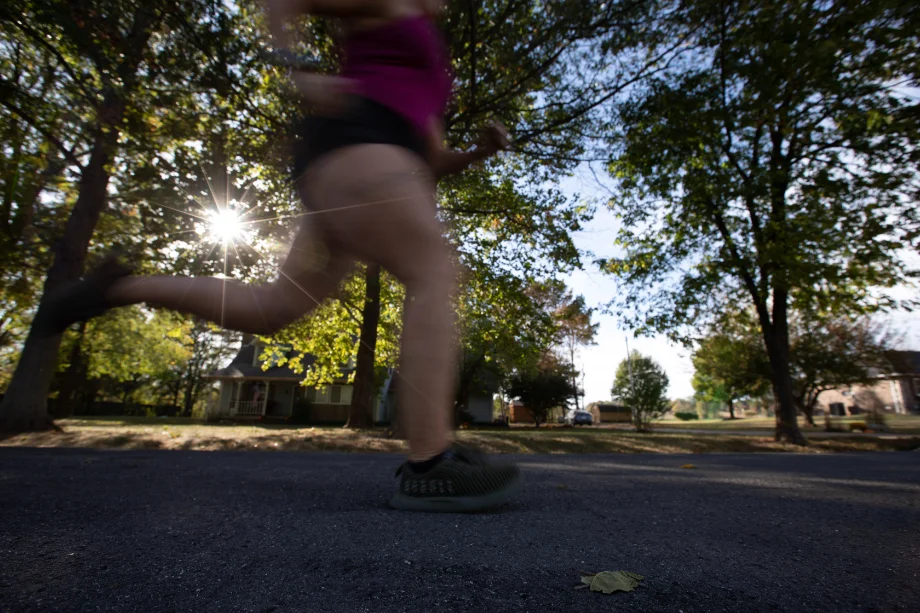
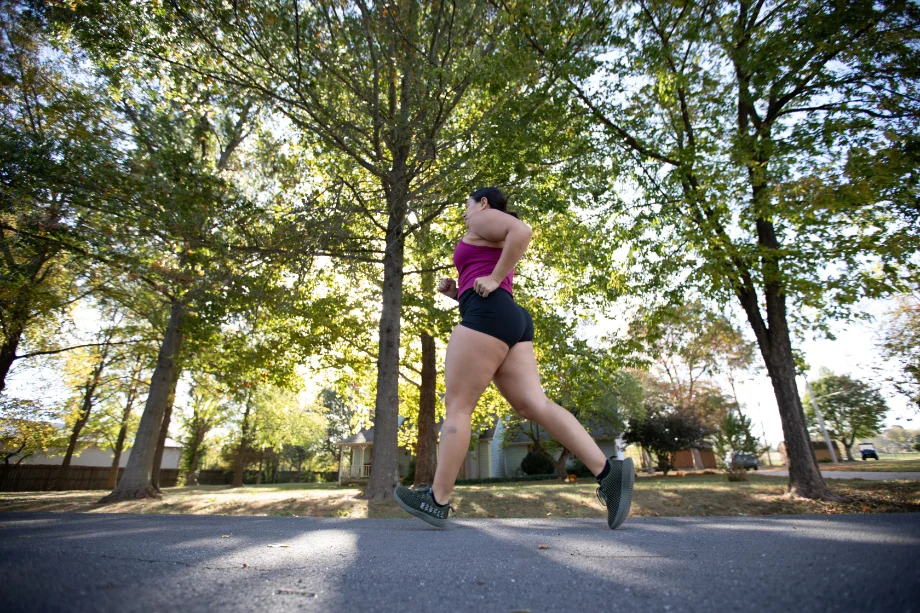
As you may have guessed, athletes need to have a much higher protein intake than the general population. This is because, when you perform intense, frequent exercise, the body needs more amino acids to repair muscle fibers from the microtears that occur during exercise. This repair results in bigger muscles and adaptation to improve strength for future exercise. Think of it as the body repeatedly preparing itself for the physical exertion to come, which is how the body becomes stronger.
However, research shows3 that if the body does not receive enough protein to repair damaged tissues, this adaptation will be severely blunted, resulting in less muscle protein synthesis and a loss of power and strength. Basically, athletic performance begins to suffer.
RELATED: High-Protein Foods for Muscle Building
To combat this, The American College of Sports Medicine4 recommends that athletes consume about 1.6 to 1.8 grams of protein per kilogram of body weight. However, the study hints at the fact (and I as a sports dietitian can confirm) that this number is definitely sufficient to help maintain muscle mass, but to gain muscle tissue the requirements are likely higher.
Protein needs can also vary depending on whether or not the athlete is in a calorie deficit, how intense their mode of exercise is, how frequently they exercise, the type of exercise (i.e., endurance versus power and strength), the source of selected protein foods, gender, age, and several other factors. To put it simply, the recommendations from The American College of Sports Medicine is a great guideline, but can and should be manipulated liberally depending on the athlete.
If you truly want more of a blanket recommendation that ensures you’ll gain muscle across multiple athletes and training types, I’ll tell you what I tell my athletes and it may sound familiar: As a general rule, 1 gram of protein per pound of body weight is a solid amount. And no, I didn’t just overhear that in the gym the morning before writing this, it has been backed up by studies such as one published in the International Journal of Sport Nutrition and Exercise Metabolism5.
The study also talks about how much protein athletes should eat when they want to conserve their muscle gains during periods when they are trying to lose fat. That number can be as high as 1.5 grams of protein per pound of body weight, if you can believe it. I know for some of you, these numbers may sound insanely high.
However, I can tell you after years of experience, they are tried and true for most athletes I work with in terms of their effectiveness at promoting hypertrophy. This is why a dietitian nutritionist may recommend plenty of protein shakes and lean meats to get plenty of grams of pure protein in, while controlling calories to lose fat.
Does Your Age Affect How Much Protein You Need to Gain Muscle?
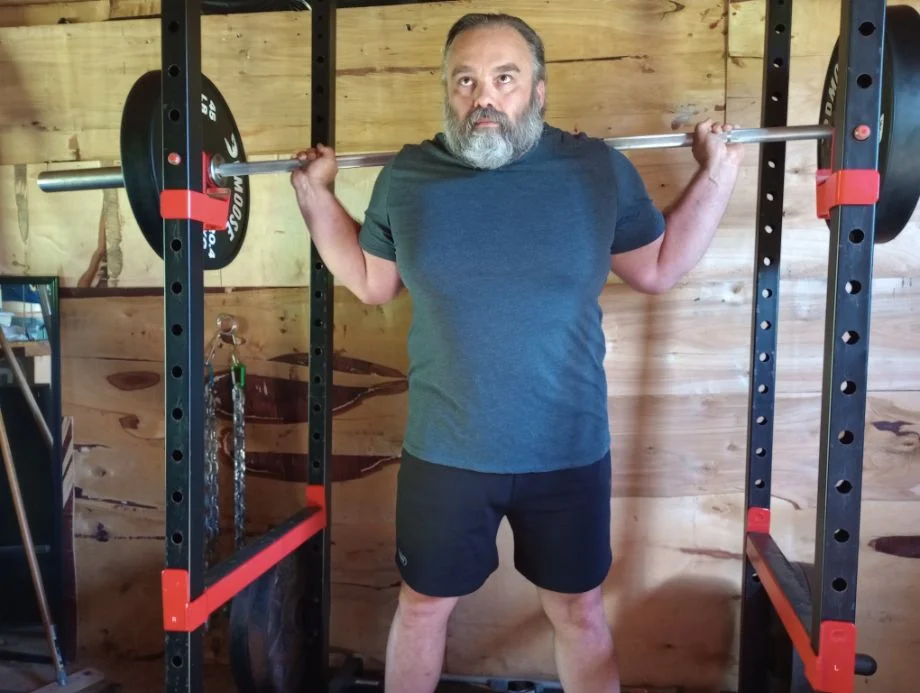
Now that you’ve got those numbers, don’t run off just yet! We need to talk about how age influences protein needs. In a protein intake study6 done with adult subjects across multiple age groups, it was found that 1.6 grams of protein per kilogram of body weight caused some muscle growth. Cool, we established that above.
The significant thing here is that muscle growth was only seen in those adults who were younger than the age of 50. All subjects older than 50 saw either no increase at all or statistically insignificant changes in lean muscle. Therefore, the study concluded that older adults should eat 0.5 grams more protein than younger adults for muscle growth.
RELATED: Protein Requirements by Age
Why do older adults need to consume more protein as they age? One of the things that occurs as a natural result of aging is the decline in the enzymes that are necessary to break down nutrients, including protein. As you age, you will be unable to absorb the protein that you eat as efficiently as you did when you were younger.
Furthermore, bone mineral density starts to decline as you age and studies have shown7 that higher protein intake, along with adequate calcium intake, can help improve bone health and prevent fractures from osteoporosis.
Why Protein Source Is Important
OK, so we know how much protein we need to reach your anabolic potential. Now we need to talk about the best sources of protein. It’s important to know that different sources of protein contain different types of amino acids and a specific type of amino acids are needed to keep you anabolic.
Essential amino acids are vital, specifically branched-chain amino acids, which explains why BCAA supplements are so wildly popular as a fitness and sports supplement. For those who may be unfamiliar, there are three branched chain amino acids: leucine, isoleucine, and valine. Leucine in particular is the king of the three, as research has shown8 that leucine is the amino acid that triggers the synthesis of new lean muscle.
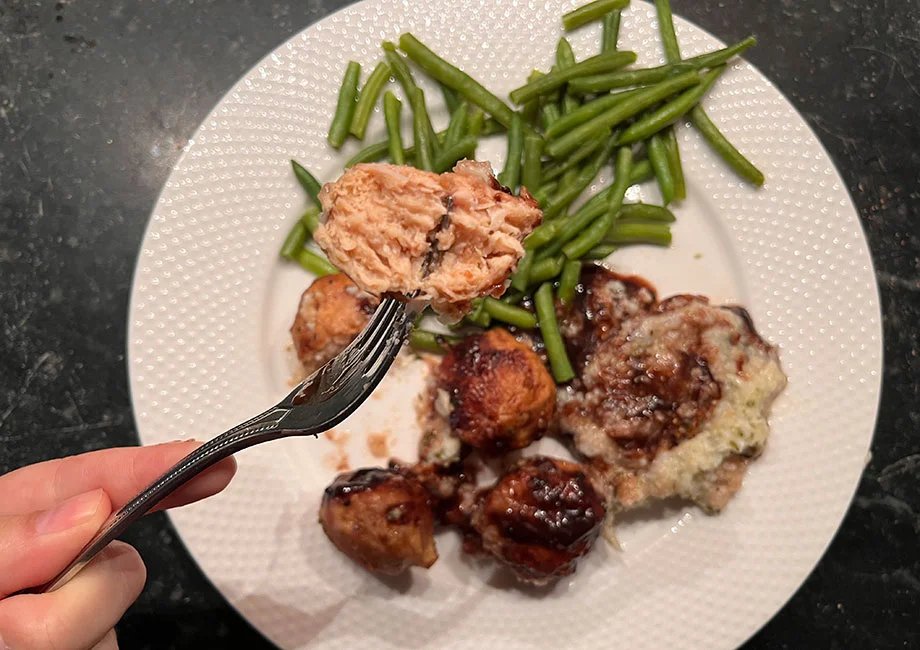
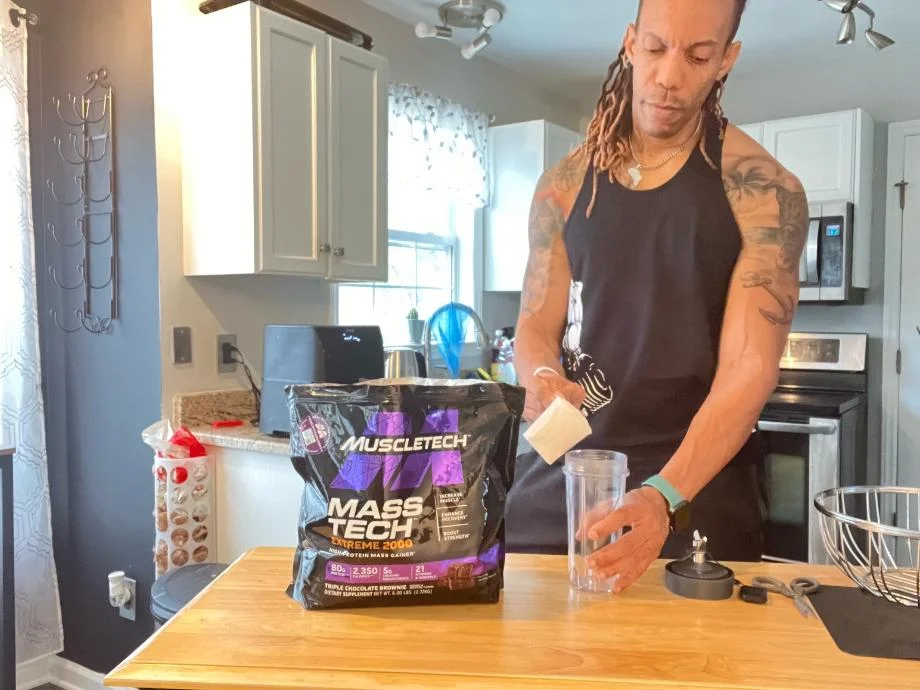
Leucine and the other essential amino acids are readily found in most animal proteins, with the highest amounts found in beef, turkey, salmon, cheese, and whey protein. This is why these sources are typically labeled as high quality protein. It’s also the reason registered dietitians, who normally advocate for getting nutrients from food whenever possible, will usually make an exception when whey protein comes into the muscle growth conversation.
RELATED: Best Whey Protein
Whey Protein
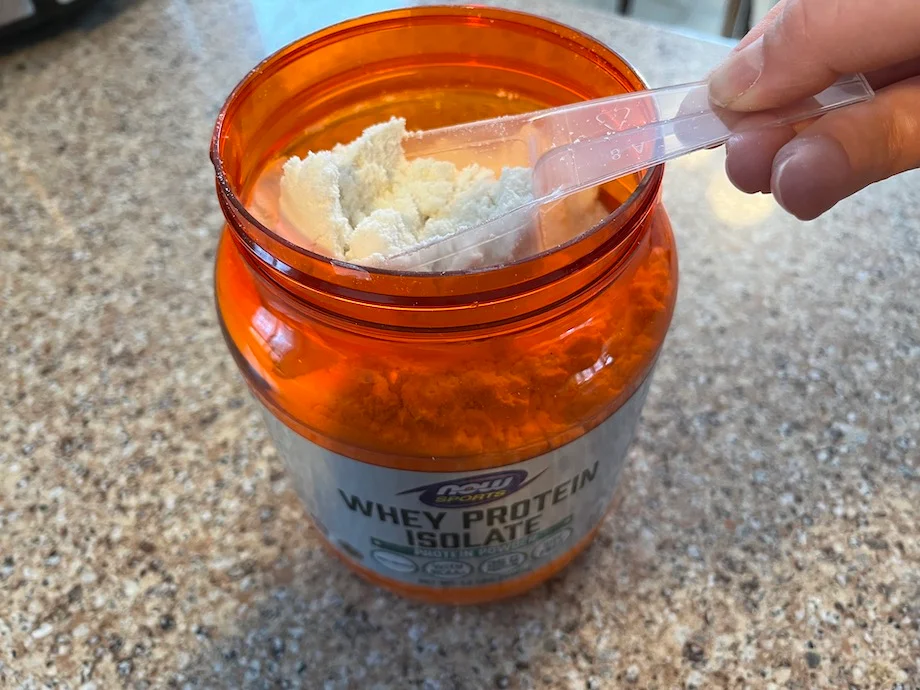
Not only is whey fast-absorbing, but it’s affordable when compared to other animal sources and it’s incredibly high in leucine. When you eat meat and dairy products, you also consume some of the fat and carbs that come with these foods. However, ounce for ounce and calorie per calorie, whey isolate tends to contain more protein due to the fact that it’s been stripped of these extra macros to isolate the protein.
Plant-Based Protein
Now, if you’re a vegan or vegetarian, things get a little more tricky. Plant-based proteins tend to contain fewer amino acids, especially essential or branched chain amino acids. There are plant-based proteins like soy, some legumes, amaranth, and quinoa that contain all of the essential amino acids. However, it can’t be expected that you will eat these foods in every meal and, if you have an allergy to any of them, your options are limited.
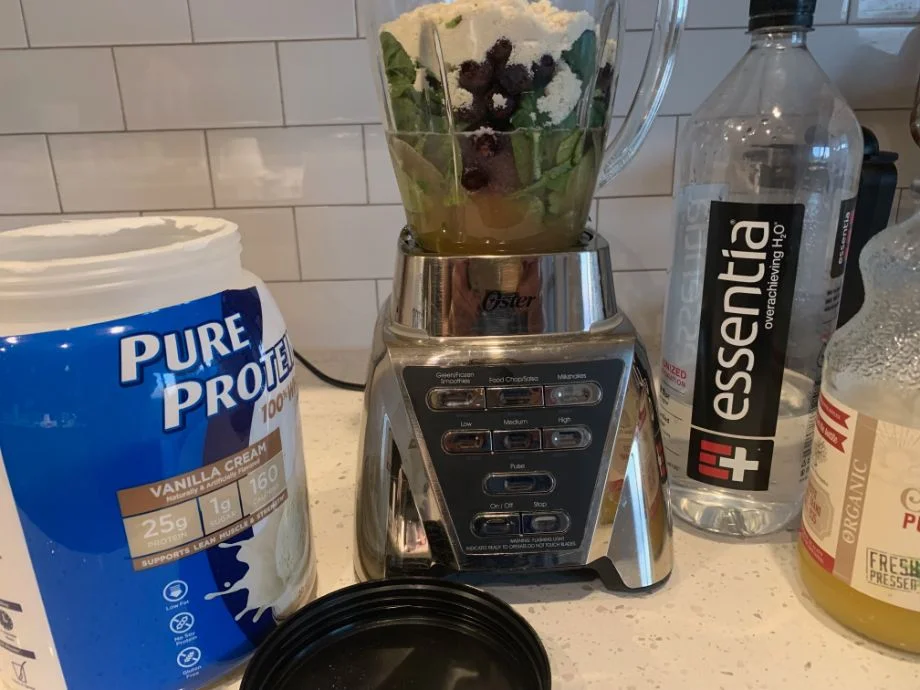
There is good news, though. With proper planning and blending of foods to ensure you are getting all of the essential amino acids you need, you can gain just as much muscle as meat eaters. There are also vegan protein supplements that can help one meet higher protein needs on a plant-based diet.
Seek the help of a registered dietitian if you need some assistance in planning a balanced and effective diet to get adequate amounts of protein and essential amino acids needed to build lean muscle.
Why Is Protein Important for Building Muscle?
Here’s a breakdown of the top reasons why protein is an important component of your muscle-building goals:
Leucine
As mentioned, leucine is the essential amino acid that is known as the major “trigger” of hypertrophy. In the body’s metabolism, there is a pathway called mTOR that is responsible for producing new cells, especially when it comes to skeletal muscle size.
Although other amino acids play a role in turning on this pathway, leucine is the primary driver. That said, it is likely necessary to get more than the recommended dietary allowance of protein to get enough of this essential amino acid.
Indeed, a study published in 20209 asserts that the RDA of 42 milligrams per kg of body weight is significantly less than the 100 to 110 milligrams per kg of body weight required to optimize the synthesis of muscle tissue.
Thus, eating a sufficient amount of complete proteins that include leucine and other essential amino acids is critical for the effective gain of muscle mass. Beef, salmon, whey protein powders, lentils, and eggs are all great sources of leucine and can help contribute to daily protein intake.
Prevention of Muscle Loss
When you eat too little protein, your body will become deficient in the amino acids that it needs to build and repair muscles, causing impaired muscle growth as a result. Your body needs certain amounts of protein, regardless of whether or not you exercise on a regular basis.
We must remember that every day, cells are dying and being regenerated, so amino acids are essential for this process to occur. Without sufficient amino acids, cells cannot regenerate and muscle mass cannot be maintained, resulting in catabolism10 or muscle loss.

To put it simply, preventing muscle loss by eating a high protein diet is an indirect way to support muscle growth by keeping your body in muscle building mode and supporting muscle mass maintenance.
RELATED: High-Protein Dinner Ideas
Muscle Recovery
Research has shown11 that consuming high protein foods after resistance training has a significant impact on the recovery of muscle tissue. Improvements were seen less with perceived muscle soreness and more with the subjects’ ability to generate enough strength and power despite consistently intense workouts.
Interestingly, the study cited also found that anabolic markers were further increased when a high-protein diet was consumed along with carbohydrates. There is a good reason for this, as carbohydrates trigger the release of insulin, which is a hormone that gives the body the signal that it has been fed and thus prevents the breakdown of muscle tissue for energy. The mitigation of this muscle tissue breakdown results in better recovery following strength training.
RELATED: Best Muscle Recovery Tools
Muscle Strength
A 2022 meta-analysis12 analyzed 74 studies that explored protein intake. It found that healthy adults who engaged in regular strength training and consumed 1.6 grams per kilogram of protein daily saw increases in strength. These increases were most profound in the lower body, with more modest gains occurring during exercises such as bench press or hand grip tests.
The meta-analysis also noted how the protein intake contributed to increases in muscle mass which further asserts how beneficial a high-protein diet is to those who shoot for optimal performance and body composition through resistance training.
How Much Protein Is Too Much?
As the famous saying goes, you can have too much of a good thing. A diet high in protein has many benefits; however, if your intake becomes too excessive, you’re opening yourself up to a host of side effects like gastric distress, deficiencies in other nutrients, kidney issues, and heart complications.
RELATED: High-Protein Diet Side Effects
So, how much is too much? Expert opinions on this differ, but a common answer is more than 2 grams per kilogram of body weight is too much protein.
How Much Protein To Gain Muscle: Final Thoughts
For most active individuals, especially those who choose strength training as their preferred form of physical activity, the requirement of having a high-protein diet to gain muscle mass is not new information.
However, there’s also a lot of misinformation out there about how much protein intake is needed to stimulate muscle growth. This is partially due to the fact that everyone responds to different amounts of protein differently depending on their current body composition, training intensity, age, sex, and other factors.
Protein needs during weight loss in order to preserve lean body mass are even higher than needs during periods of muscle gain and it’s also critical to know what sources of protein foods are most optimal to gain muscle.
Lean meats and legumes like lentils are the best protein sources for animal foods and plant-based diets, respectively. If your protein needs are very high, as is the case with athletes or those going for body fat loss, utilizing protein powders like whey can help to hit those macros.
Remember, protein is not the only macronutrient that we need to consume to achieve this success. The number of calories and ratio of other macronutrients like carbohydrates also play a major role.
We know this can all get very complicated, which is why building muscle isn’t exactly known for being a simple feat. It may be helpful to consult a registered dietitian nutritionist if you’re having trouble figuring this out on your own. For now, it appears that 1.6 grams per kilogram of body weight of protein per day is a good starting point to gain muscle.
How Much Protein To Gain Muscle: FAQs
Is 100 grams of protein enough to build muscle?
This depends on your current body composition and weight goals. However, for most healthy adults that weigh 100 pounds or more, this is probably not a sufficient amount of dietary protein.
Is 200g of protein too much for muscle gain?
Not some in cases. It is not uncommon for athletes who are trying to gain lean muscle to eat 200 grams of protein or even more. This amount of protein may be necessary to conserve muscle during periods of fat loss. However, 200 grams of protein may also be necessary for athletes who already have a ton of lean mass they need to maintain or who engage in very frequent and intense exercise.
Is too much protein bad?
Short answer: it can be. Too much protein has been shown to lead to side effects like gastric distress, deficiencies in other nutrients, kidney issues, and heart complications.
Which protein is best for muscle gain?
Animal-based and whey proteins are known to be the best for muscle gain because of their high amounts of amino acids and leucine, which help activate muscle hypertrophy.
These statements have not been evaluated by the Food and Drug Administration. This product is not intended to diagnose, treat, cure, or prevent any diseases.
References
- Snetselaar LG, de Jesus JM, DeSilva DM, Stoody EE. Dietary Guidelines for Americans, 2020-2025: Understanding the Scientific Process, Guidelines, and Key Recommendations. Nutr Today. 2021;56(6):287-295. doi:10.1097/NT.0000000000000512
- Carbone JW, Pasiakos SM. Dietary Protein and Muscle Mass: Translating Science to Application and Health Benefit. Nutrients. 2019;11(5):1136. Published 2019 May 22. doi:10.3390/nu11051136
- Tipton KD, Wolfe RR. Protein and amino acids for athletes. J Sports Sci. 2004;22(1):65-79. doi:10.1080/0264041031000140554
- Stokes T, Hector AJ, Morton RW, McGlory C, Phillips SM. Recent Perspectives Regarding the Role of Dietary Protein for the Promotion of Muscle Hypertrophy with Resistance Exercise Training. Nutrients. 2018;10(2):180. Published 2018 Feb 7. doi:10.3390/nu10020180
- Helms ER, Zinn C, Rowlands DS, Brown SR. A systematic review of dietary protein during caloric restriction in resistance trained lean athletes: a case for higher intakes. Int J Sport Nutr Exerc Metab. 2014;24(2):127-138. doi:10.1123/ijsnem.2013-0054
- Nunes EA, Colenso-Semple L, McKellar SR, et al. Systematic review and meta-analysis of protein intake to support muscle mass and function in healthy adults. J Cachexia Sarcopenia Muscle. 2022;13(2):795-810. doi:10.1002/jcsm.12922
- Mangano KM, Sahni S, Kerstetter JE. Dietary protein is beneficial to bone health under conditions of adequate calcium intake: an update on clinical research. Curr Opin Clin Nutr Metab Care. 2014;17(1):69-74. doi:10.1097/MCO.0000000000000013
- Obradović J, Vukadinović Jurišić M, Rakonjac D. The effects of leucine and whey protein supplementation with eight weeks of resistance training on strength and body composition. J Sports Med Phys Fitness. 2020;60(6):864-869. doi:10.23736/S0022-4707.20.09742-X
- Phillips SM, Paddon-Jones D, Layman DK. Optimizing Adult Protein Intake During Catabolic Health Conditions [published correction appears in Adv Nutr. 2021 Mar 31;12(2):578]. Adv Nutr. 2020;11(4):S1058-S1069. doi:10.1093/advances/nmaa047
- Carbone JW, Pasiakos SM. Dietary Protein and Muscle Mass: Translating Science to Application and Health Benefit. Nutrients. 2019;11(5):1136. Published 2019 May 22. doi:10.3390/nu11051136
- Cintineo HP, Arent MA, Antonio J, Arent SM. Effects of Protein Supplementation on Performance and Recovery in Resistance and Endurance Training. Front Nutr. 2018;5:83. Published 2018 Sep 11. doi:10.3389/fnut.2018.00083
- Nunes EA, Colenso-Semple L, McKellar SR, et al. Systematic review and meta-analysis of protein intake to support muscle mass and function in healthy adults. J Cachexia Sarcopenia Muscle. 2022;13(2):795-810. doi:10.1002/jcsm.12922