




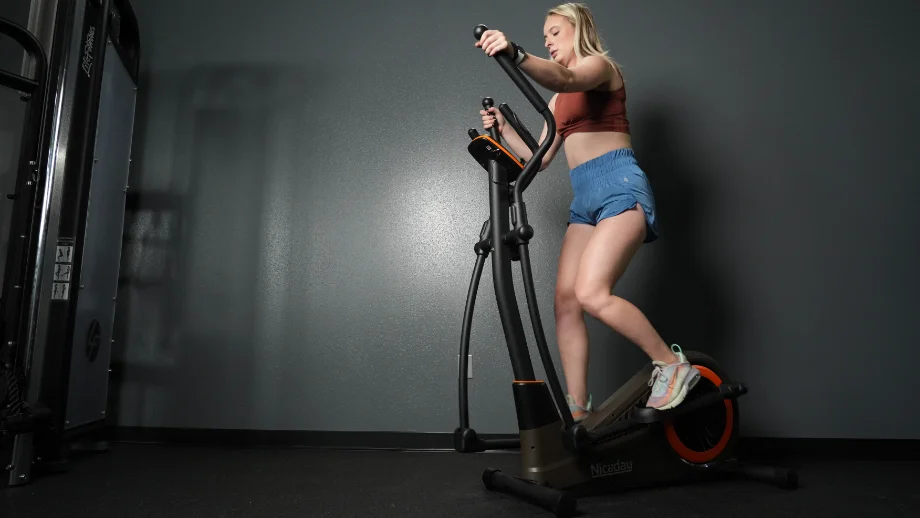
Like rowing machines, ellipticals can be an excellent means to a low-impact, full-body workout. (And no, low-impact certainly doesn’t mean low-effort.) Because you’re using your lower and upper body simultaneously (assuming you’re holding on to the handlebars), you’ll get a full-body workout that gets your heart rate up without placing too much stress on your joints.
The best ellipticals don’t just contribute to better cardiovascular health, though. They can also help improve your balance and boost your mood—and they’re really easy to use. In this expert breakdown, we’ll dive deep into the top seven elliptical benefits and answer some commonly asked questions about these cardio machines.
Benefits of Elliptical Training
Here’s why you should make this machine part of your cardio routine:
- Low impact on your joints
- Can help improve your balance
- Suitable for all fitness levels
- Versatile training options (steady-state, intervals, HIIT, etc.)
- Provides a full-body workout
- Easy to use with little to no learning curve
What Do Elliptical Workouts Actually Do For You and Your Body?
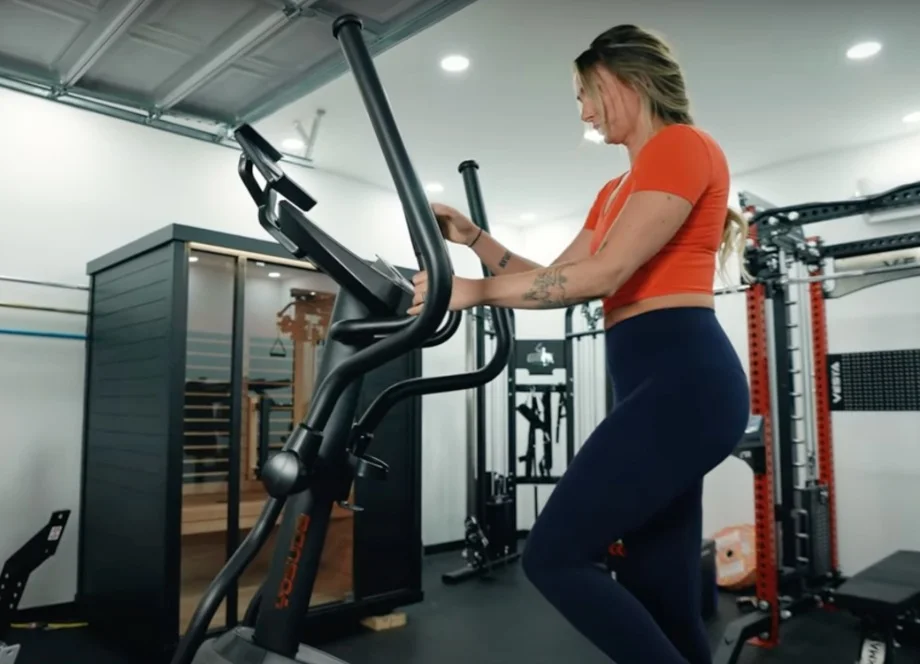
The best elliptical workouts provide a safe pathway to develop your cardiovascular fitness. You can take the slow-and-steady approach for longer, less-intense sessions, or you can go with the more time-efficient interval training. Either way, your lungs, heart, and entire cardiovascular system will be put to the test.
RELATED: Steady-State Cardio Vs HIIT
From a muscular standpoint, elliptical workouts activate both your lower and upper body. While your quadriceps, hamstrings, glutes, and calves do most of the work, using the moving handles can also engage your arms, shoulders, chest, and upper back. If you increase the resistance or incline settings, you place even greater demand on your glutes and hamstrings, helping develop muscular endurance. Plus, you must activate your core muscles throughout the workout to maintain good posture and balance.
Why Are Ellipticals Better For Your Joints?
Because your feet stay in constant contact with the pedals, ellipticals significantly reduce stress on your joints1 compared to high-impact activities like running or jumping. This makes them an excellent option for older adults, people with knee, hip, or ankle concerns, as well as those recovering from injury.
GGR Senior Staff Writer Stephen Sheehan, CPT, CNC, is a big fan of elliptical training, especially for clients who aren’t quite ready to handle more intense cardio options.
“As someone who has dealt with knee and hip issues in the past, I understand that running or using a stair climber may be too taxing for some clients,” he explains. “You can still get a great workout on the elliptical without pounding the pavement or putting too much stress on your joints.”
RELATED: Beginner Elliptical Workouts
How Are Ellipticals Useful For Your Fitness Goals?
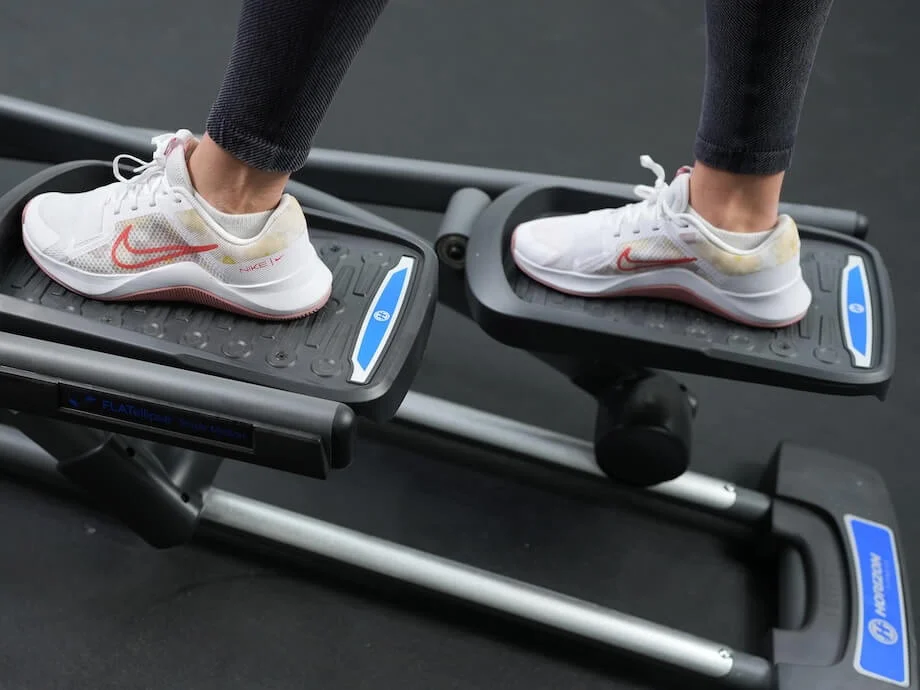
Ellipticals can be ideal for anyone looking for a solid cardio machine for aerobic workouts. They’re especially great for beginners and older adults who are looking for a lower-impact way to stick with their workout routine. If you’re considering adding an elliptical to your home gym, just keep in mind that some of the higher-end models have a pretty large footprint, so you’ll need plenty of space.
7 Best Elliptical Benefits
Whether you’re focused on losing weight, improving your cardiovascular health, or simply making movement more of a priority, an elliptical can help you achieve your fitness goals. Let’s explore seven elliptical benefits so you can get a full grasp of what this popular cardio machine has to offer.
1. Improved Cardiovascular Output
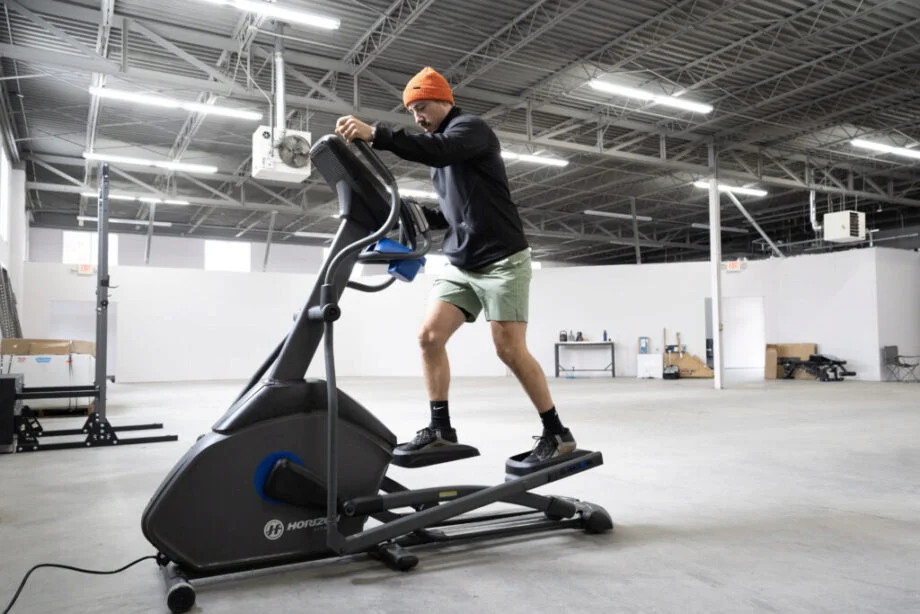
While not exclusive to this machine, the biggest health benefit of an elliptical is the improvement to your cardiovascular health. Regularly working out on an elliptical machine can get your heart rate pumping and improve cardiac output2 as well as the function of your circulatory system.
“Consistent training can also increase your cardiorespiratory endurance3, which is a measure of how well your heart, lungs, and muscles can keep up with a high-intensity exercise,” says GGR Senior Staff Writer Amanda Capritto, CPT, CES, CNC, CF-L1, CSNC.
Cardio exercise can also reduce your risk of developing heart disease4 and type 2 diabetes by lowering blood pressure, decreasing blood lipids, and reducing overall body fat (as long as you do it regularly and in conjunction with other healthy habits, like eating a nutritious diet).
2. Low-Impact Exercise
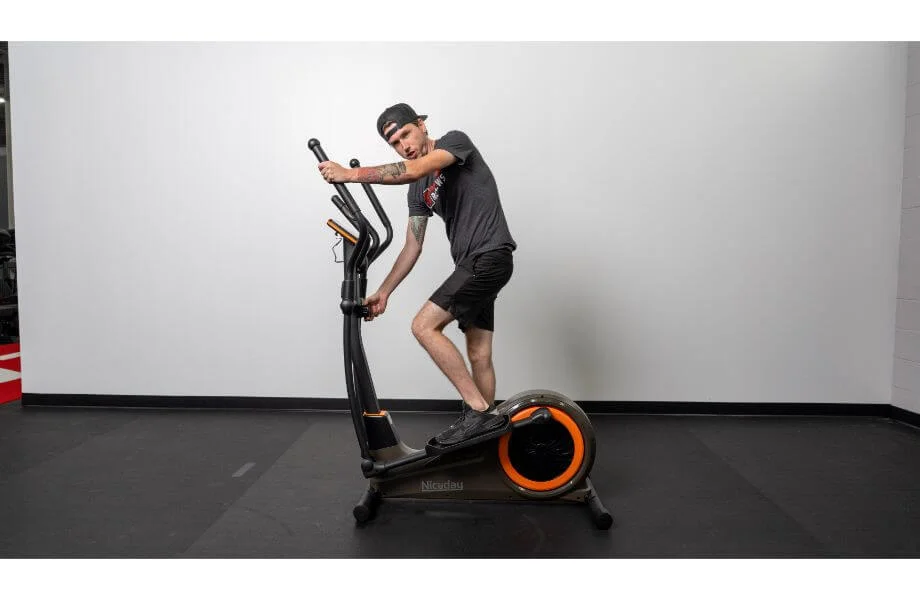
Since your feet never leave the pedals, elliptical trainers provide a low-impact workout that puts less impact on the joints than running or plyometric-type exercises like box jumps. Because of this, athletes may find that elliptical training sessions are more comfortable and achievable, especially if they’re dealing with nagging aches and pains.
Low-impact doesn’t mean less effective, though. Ellipticals are still versatile pieces of exercise equipment that allow you to incorporate interval workouts and HIIT exercises by adjusting your speed, resistance, and ramp height.
3. Help Achieve Better Balance
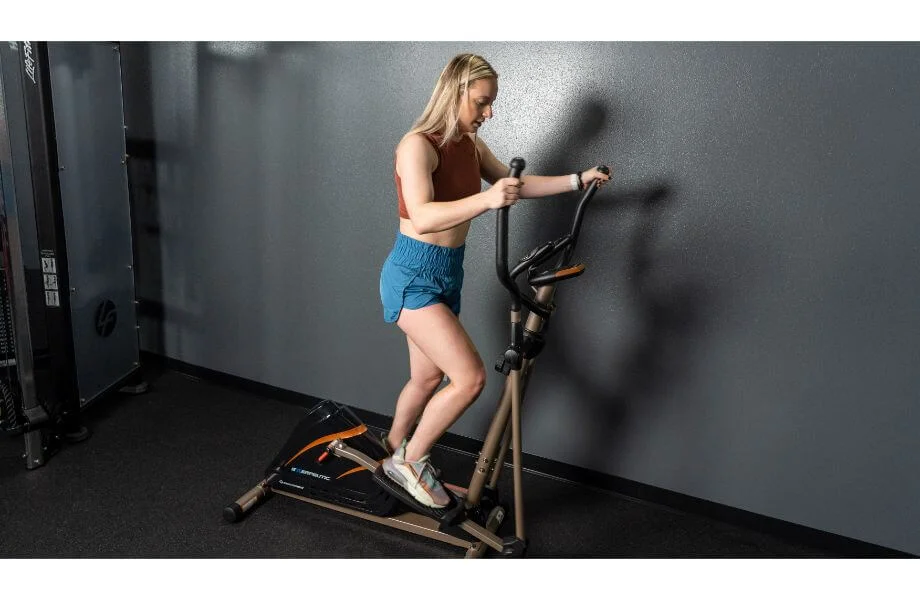
Because they engage your core, ellipticals may help improve your balance.
“This benefit becomes even more apparent if you stand up straight and let go of the handles, forcing your core and lower body to do most of the work,” says Amanda.
This may also apply to those recovering from brain injuries, although the evidence is limited. In one small study5, researchers wanted to see how regular elliptical exercise (three days a week for four weeks) could affect gross motor function in a 36-year-old man who was recovering from a stroke. After 24 total sessions, they noticed significant improvements in balance, gait, and lower limb function.
4. Can Boost Your Mood
Like all cardio workouts, elliptical training may also boost your mood. Part of this is due to an increase in serotonin following a cardio workout, but researchers also believe that exercise can increase blood flow to the brain6, which has a positive influence on mood, various brain functions, and your reaction to stress.
“More intense exercise may provide a quicker effect on how you feel; however, low-intensity activities still encourage the release of endorphins and promote relaxation for better sleep, which improves overall mood,” says GGR expert contributor Chris Mohr, PhD, RD. “That said, with whatever exercise you decide to indulge in, try to be consistent, as it can have positive effects on mental health over time.”
RELATED: Exercise and Stress
5. Simple to Use
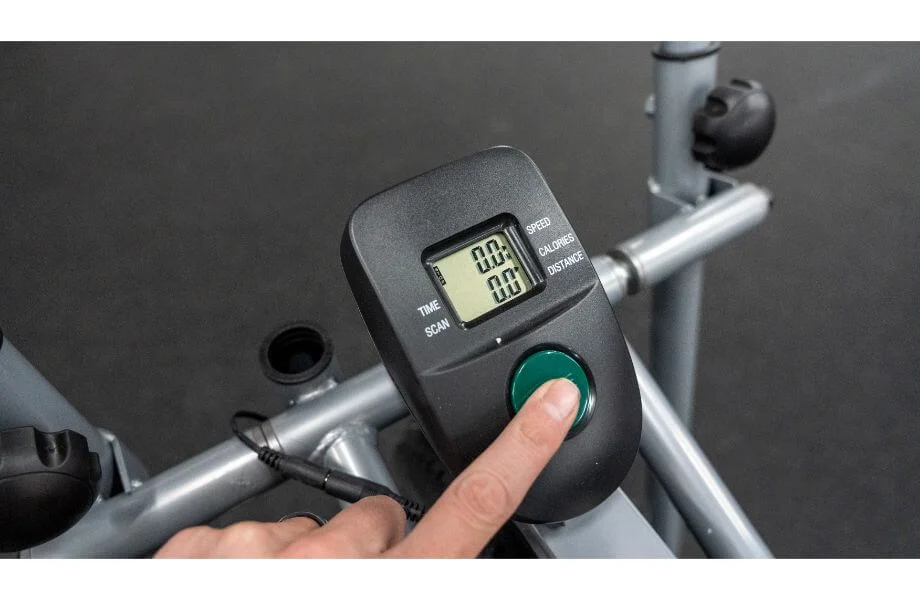
There is little to no learning curve involved in using an elliptical, making it suitable for everyone from beginners to fitness pros.
“While you do have to learn some simple techniques—for example, you want to stand up straight and avoid leaning on the handlebars—you can pretty much just jump on and go,” says Amanda.
6. Can Assist with Weight Loss
Elliptical workouts can burn a significant number of calories, making them a valuable tool in a well-rounded weight loss plan. According to Harvard Health7, a 30-minute elliptical session burns around 324 calories if you weigh 150 pounds. That number jumps to 378 if you weigh 185 pounds.
While crushing a few elliptical sessions doesn’t guarantee you’ll trim body fat away, it can be a smart way to support your overall weight loss efforts.
“A balanced approach to managing body fat effectively involves a combination of nutrition, exercise, and lifestyle adjustments,” notes Chris. “Lifestyle factors like getting enough sleep, managing stress, and staying hydrated are important for overall well-being in managing body fat long term.”
RELATED: Elliptical Workouts for Weight Loss
7. Provides a Full-Body Workout
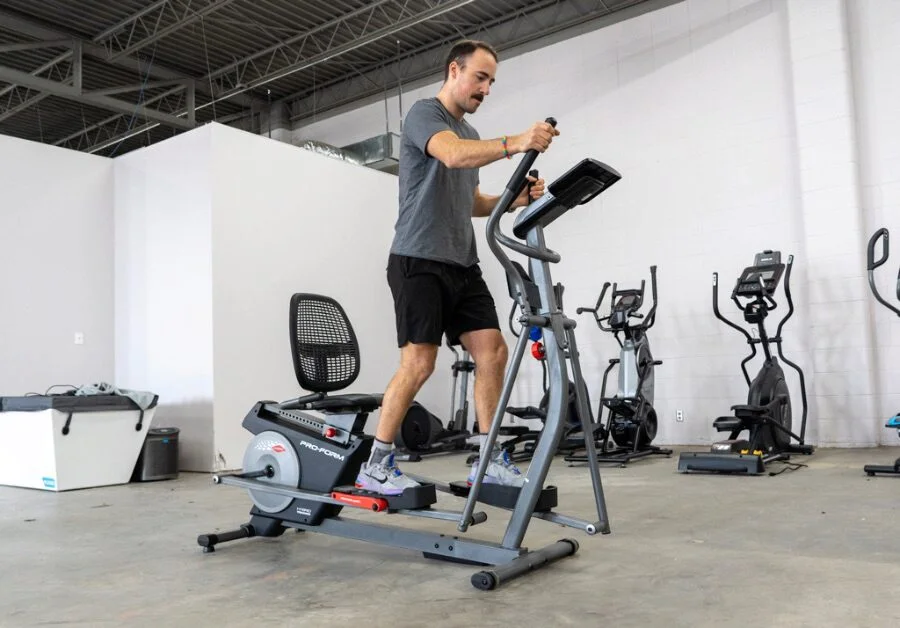
What really sets the elliptical apart as a full-body workout is the constant engagement it demands. Because you’re standing upright rather than seated, your core muscles must remain active to maintain balance, posture, and control throughout the workout.
This means you’re not just “going through the motions.” Rather, you’re training strength, coordination, and endurance at the same time. The result is a low-impact yet highly effective workout that challenges your entire body, making it ideal for both beginners and seasoned athletes looking for a balanced training option.
GGR Recommends – Sole E25
Backed by a lifetime frame warranty, the affordably priced Sole E25 earned the top spot on our list of the best ellipticals. Available for about $1,300, this well-built machine earned a perfect value score from our team thanks to its user-friendly conveniences, Bluetooth speakers, sturdy construction, and ability to sync with multiple workout apps.
Elliptical Benefits FAQs
Does the elliptical help reduce belly fat?
No exercise can spot-reduce belly fat, but an elliptical can help decrease your overall body fat percentage over time by burning calories. “The best way to reduce belly fat is to stay consistent with a wellness routine. That means incorporating aerobic and strength training workouts, eating a nutritious diet, and prioritizing good sleep hygiene and stress management,” says Amanda Capritto, CPT, CES, CNC, CF-L1, CSNC.
Is 30 minutes on the elliptical enough?
A 30-minute elliptical session is enough to reap many of the cardiovascular benefits, but the key is staying consistent and doing those sessions regularly. The most current Physical Activity Guidelines for Americans8 recommends at least 150 minutes of moderate-intensity aerobic exercise every week. If you’re doing a 30-minute elliptical workout every day, you’ll exceed this goal, but if you only do it once or twice, you’ll be falling short of current recommendations. The key is to combine exercises that you love to get to your overall weekly exercise goals.
How long should I be on the elliptical?
It depends. Your main goal should be to engage in 150 minutes of moderate-intensity aerobic activity each week. That could mean 30 minutes on the elliptical five days a week, or 25 minutes six days a week. You can also combine elliptical workouts with other aerobic activities, so there is no minimum amount of time you need to be on the elliptical, itself.
Can you get toned using an elliptical?
Many people are on a quest to “get toned,” but this is a bit of a misnomer. You can’t really “tone” your muscles, but you can drop belly fat while also increasing muscle mass; the end result being a more sculpted physique.
“Since ellipticals burn calories, they can contribute to overall fat loss, but you’ll also need to incorporate strength training exercises to reach your goals here,” adds Amanda Capritto, CPT, CES, CNC, CF-L1, CSNC.
References
- Bosch, A. N., Flanagan, K. C., Eken, M. M., Withers, A., Burger, J., & Lamberts, R. P. (2021). Physiological and Metabolic Responses to Exercise on Treadmill, Elliptical Trainer, and Stepper: Practical Implications for Training. International journal of sport nutrition and exercise metabolism, 31(2), 135–142. https://doi.org/10.1123/ijsnem.2020-0155
- Nystoriak, M. A., & Bhatnagar, A. (2018). Cardiovascular Effects and Benefits of Exercise. Frontiers in cardiovascular medicine, 5, 135. https://doi.org/10.3389/fcvm.2018.00135
- Lin, X., Zhang, X., Guo, J., Roberts, C. K., McKenzie, S., Wu, W., Liu, S., & Song, Y. (2015). Effects of exercise training on cardiorespiratory fitness and biomarkers of Cardiometabolic Health: A systematic review and meta‐analysis of Randomized Controlled Trials. Journal of the American Heart Association, 4(7). https://www.ahajournals.org/doi/10.1161/jaha.115.002014
- Pinckard, K., Baskin, K. K., & Stanford, K. I. (2019). Effects of Exercise to Improve Cardiovascular Health. Frontiers in cardiovascular medicine, 6, 69. https://doi.org/10.3389/fcvm.2019.00069
- Jackson, K., Merriman, H., & Campbell, J. (2010). Use of an elliptical machine for improving functional walking capacity in individuals with chronic stroke: a case series. Journal of neurologic physical therapy : JNPT, 34(3), 168–174. https://doi.org/10.1097/NPT.0b013e3181ee682c
- Sharma, A. (2006). Exercise for mental health. The Primary Care Companion For CNS Disorders, 8(2). https://pmc.ncbi.nlm.nih.gov/articles/PMC1470658/
- Calories burned in 30 minutes of leisure and routine activities. Harvard Health. (2021, March 8). https://www.health.harvard.edu/diet-and-weight-loss/calories-burned-in-30-minutes-for-people-of-three-different-weights
- Physical activity guidelines for Americans, 2nd edition. Department of Health and Human Services. (n.d.). https://odphp.health.gov/sites/default/files/2019-09/Physical_Activity_Guidelines_2nd_edition.pdf