


Cold water therapy is a popular tool for muscle recovery and stress reduction, but the best cold plunge tubs can often be expensive. Even DIY ice baths can be costly with having to buy bags of ice for daily use.
You can make sure you’re getting your money’s worth by properly cleaning and maintaining your cold plunge. Keeping your cold plunge clean can help keep your chiller and filtration systems working at top levels, extend your tub’s potential lifespan, and improve your cold plunge experience, overall.
What does cold plunge maintenance look like for your ice barrel or chiller-powered tub? As a competitive weightlifter and 2020 Olympian, I’ve used ice baths ranging from DIY cold plunge stock tanks to premium cold tubs at the Olympic Training Center, and have also had the experience of maintaining them.
In this guide, I’ll go over regular maintenance for your cold plunge, including notes on why it’s important, what to do, and how often you should be cleaning your plunge. By the end, you’ll be ready to ensure the longevity and sustained performance of your premium recovery tool.
What Is a Cold Plunge?
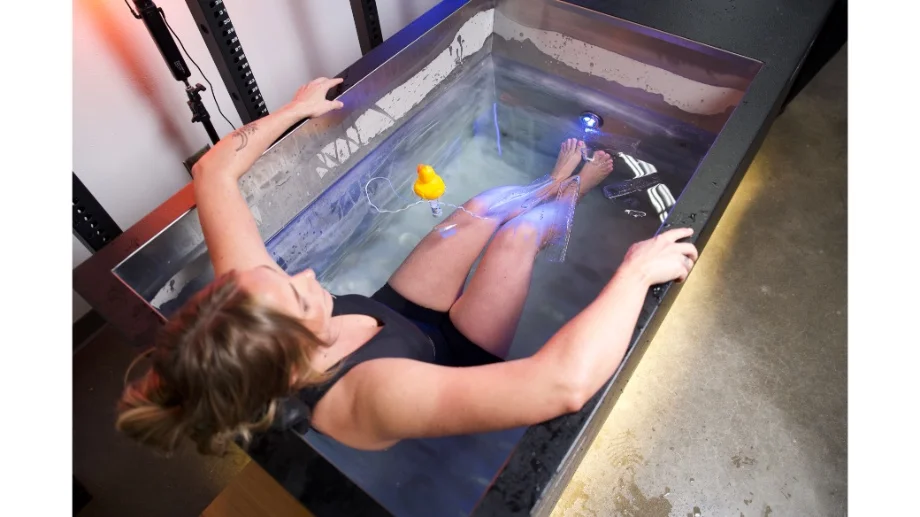
A cold plunge is the act of immersing yourself in cold ice bath water—usually around 55 degrees or colder—for a short time. The time will depend on the temperature of the water and your tolerance to the cold conditions, but most people aim for 5 to 10 minutes per session. You can cold plunge in stock tanks with ice water, specially made cold plunge tubs, or even pools designed for cold water immersion.
Cold tubs and cold plunging have been around for a while, but have become increasingly popular over the past few years due to celebrities and athletes sharing their cold water therapy sessions on social media.
While research is still limited, ice bath benefits can include:
- Boosting your immune system1
- Aiding in muscle recovery2
- Improved mood3 and mental well-being
- Stress reduction4
- Better perceived quality of sleep5
- Increased energy activity6 in adipose tissue, which may aid in weight loss
According to Chris Mohr, PhD, RD, “Ice baths may reduce muscle soreness and inflammation after intense exercise which, theoretically, could help athletes recover faster. Exposing your body to the cold can stimulate the vagus nerve, leading to decreased heart rate, relaxation, and may help manage anxiety.”
“All together, this might help improve stress levels and sleep quality over time,” he says. However, Dr. Mohr points out that the data are not conclusive.
The Importance of Cold Plunge Maintenance
Keeping your cold plunge in tip-top shape can help keep your cold tub running more efficiently. Keeping its performance smooth can also further ensure longevity from your ice bath tub, preventing buildup of grime or mildew, which can gunk up any tubes, filters, or chillers.
All home gym equipment requires some level of maintenance, but with cold plunge tubs (and home saunas) maintenance is vital, since we’re dealing with moisture in the form of water and sweat. Between uses, a tub’s water can warm up, and warm water can be a breeding ground for bacteria and other impurities. You can combat this, however, with some daily and routine maintenance.
RELATED: Sauna Maintenance Tips
Daily Cold Plunge Maintenance
Now that you understand the importance of maintaining your cold plunge, let’s get into the nitty-gritty of keeping your ice bath operating at its highest quality. We’ll start off with some things you can do daily–-or each day that you use your cold plunge.
Use a Cover
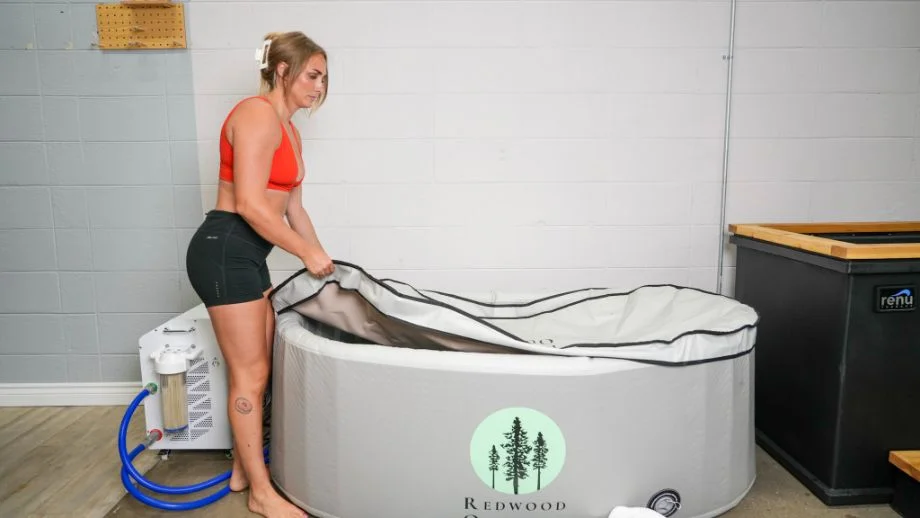
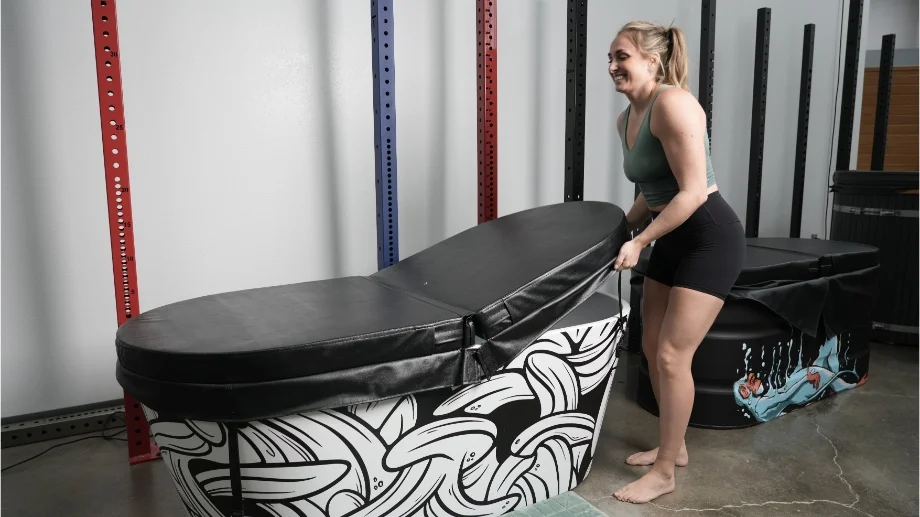
One of the simplest ways to keep clean water is to cover your cold plunge when it’s not in use, especially if it’s outdoors. A cover is simply a barrier from any debris your cold plunge could pick up, like leaves, sticks, dust, and other particles.
Many high-end cold plunge tubs come with a cover, but if you’re using a stock tank, you’ll have to purchase a tarp to keep the tub covered in-between uses.
Check the Water Quality
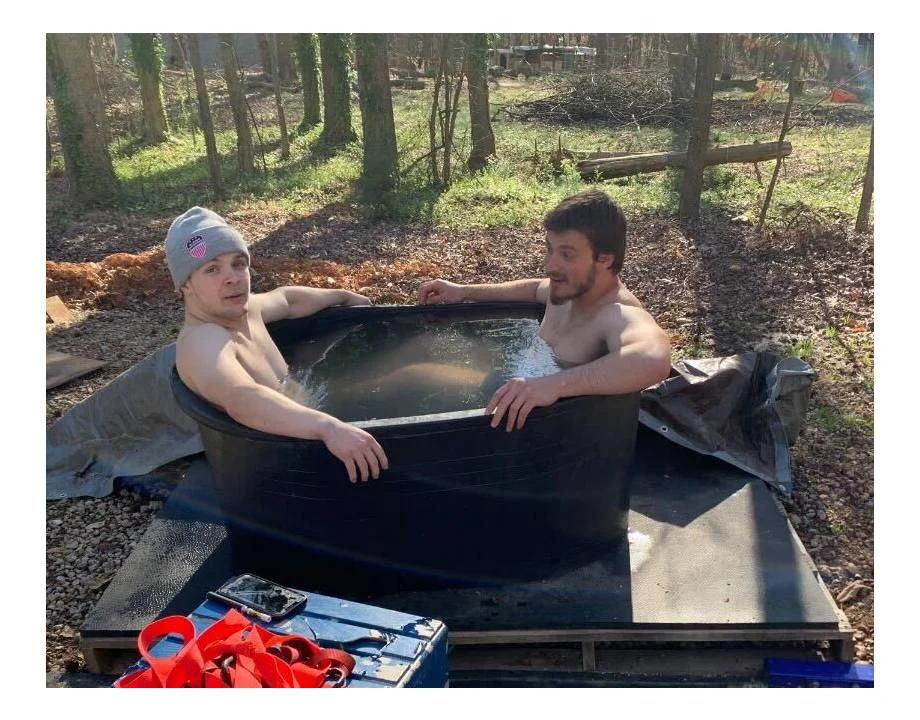
Premium ice baths often have a temperature-controlled chiller and filtration system that can run between uses to help keep the water cold and clean on a daily basis. That said, not every ice bath option comes with this level of purification. If you’re using a stock tank or similar DIY alternative and keeping the water around between uses, you’ll need to check the water quality before each use.
To keep the water sanitized, you’ll need an oxidizer, which inhibits bacterial growth through the process of oxidation. Bromine, an alternative to chlorine that’s often used in hot tubs and spas, can be an excellent choice. I, myself, have poured bromine granules into a cold tub before to maintain its cleanliness for a few days at a time.
Using an oxidizer like bromine can affect the water chemistry, so it can be wise to order test strips to determine the water’s pH levels. Ideally, we want the pH level just above neutral (7.0 to 7.6) to keep the water safe. Anything higher or lower can cause skin or eye irritation.
If the pH is low, add more water; if it’s high, add a touch more bromine. This can also be a good indicator that your water should be replaced. It’s a good idea to check the pH weekly to ensure proper maintenance. If your cold tub doesn’t have a chiller or water filter, I would regularly use an oxidizer and change the water every week, at least.
Daily Cleaning
Each time you use your cold plunge tub, you can leave debris and oils from your body within the water. This doesn’t mean you need to drain and clean your tub after each session, though. Instead, wipe away any visible dirt and grime and skim any debris from the water’s surface.
Here are a few quick things you can do every time you use your cold plunge to keep it clean for day-to-day use:
- Wipe your feet clean before stepping into your cold tub, as your feet can carry dirt and dust from the ground or floor.
- Use a pool skimmer to pluck any large particles from the tub, like leaves or dirt.
- Wipe around the edge and interior of the tub with a damp washcloth to pick up any oils or grime that may have been left in the cold plunge.
Performing these daily tasks takes only a few minutes but can extend the cleanliness of the water and your tub for much longer.
Routine Cleaning and Sanitizing Your Cold Plunge
Even if you’re cleaning your cold plunge tubs daily, there will come a time where you’ll need to replace the water, filters, pumps, or faulty parts. Many cold plunge tubs will have instructions on how often to change the water or replace filters. Additionally, some companies include maintenance kits or have them available for purchase.
RELATED: How to Cold Plunge
If your tub doesn’t have instructions or kits, here are some basic guidelines for long-term maintenance:
Filtration and Sanitation
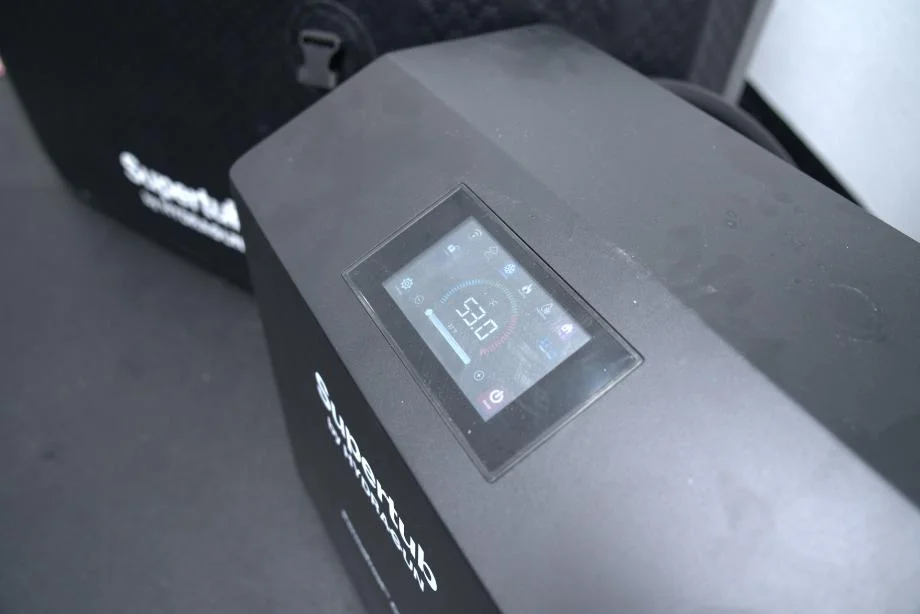
Many cold plunge tubs have built-in filters and sanitizers. From time to time, these will need to be replaced. Typically, a filter can last a few months before needing to be replenished, but it can depend on the frequency in which you use your cold plunge. It’s still a good idea, though, to check the filtration system regularly—once every week or two—to make sure there’s no excessive build-up in or on your filters.
When it comes time to replace your filter, the company may sell replacements online, which will take the guesswork out of buying the right filter. If you don’t see the filters online, reach out to the support team for filter information, like the filter type and size. It’s better to use the manufacturer-recommended filter than mix-and-match parts.
Routine Draining and Cleaning
Again, your cold plunge tub may have directions for how often to drain and clean it, but most ice baths with filtration units can go for a few months before needing a thorough cleaning. (If you’re using a stock tank and oxidizing with bromine, you definitely will need to swap out water weekly, if not more frequently.)
RELATED: Ice Bath Vs Cold Shower
When it comes time to clean out your tub, make sure to do the following:
- Ensure the cold tub drain is directed to a suitable area and that hose fittings are properly connected to prevent spills and puddling.
- Fully drain the cold plunge tub before beginning to clean it.
- Use a soft and damp washcloth to wipe the interior of the tub.
- Sanitize the cold tub with the brand-recommended cleaning agent. If the instructions don’t recommend a particular cleaner, you can use diluted bleach or a natural, less-irritating disinfectant like vinegar, peroxide, or baking soda, for example.
- Let the sanitizer sit before rinsing the tub out completely with water.
Once the cold tub has been deep cleaned, you can double-check your filters and fill your plunge with water again.
Inspecting for Leaks and Other Faulty Parts
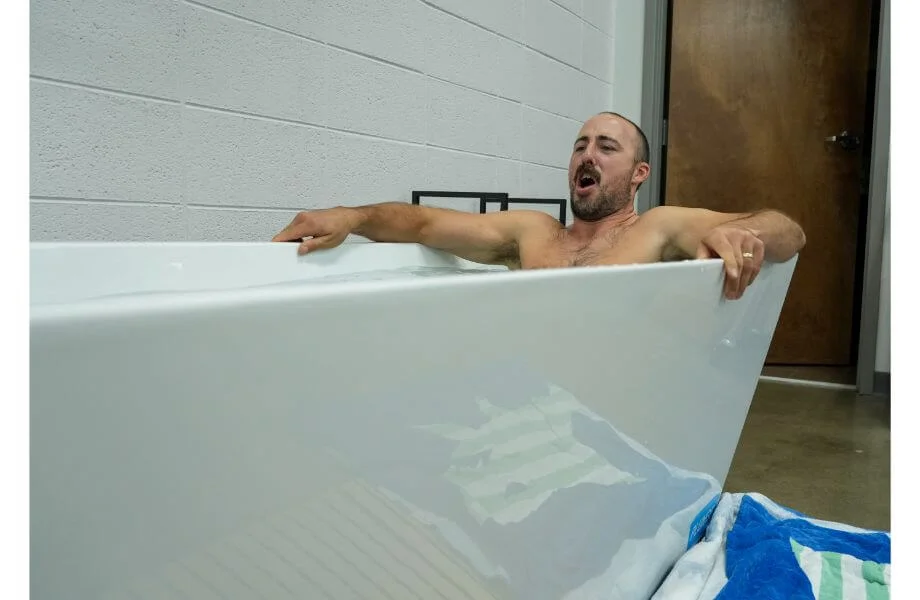
Another aspect of cold plunge maintenance is checking that all parts are operating properly. While you don’t need to deeply inspect your cold plunge each day, it’s a wise practice to spot-check your tub for leaks, cracks, or malfunctioning parts. Make sure that the water flow isn’t obstructed in any tubing, too.
Keeping an eye on these things can prevent a small problem from becoming a bigger issue down the road. If your tub is still under warranty, contact the company if you notice a faulty part or other issue.
Cold Plunge Maintenance Schedule
All of the above may sound like a lot, but don’t let it overwhelm you or steer you away from enjoying the benefits of cold plunges. Break each step down into a daily, weekly, or monthly task to stay on top of it with little effort. Here’s an example of what that might look like.
Daily
- Wipe feet, hands, and any sweat off before entering the tub.
- Wipe off any visible dirt or grime from the tub surfaces.
- Skim the water to clear any noticeable debris.
- Check water temperature to ensure it’s in the desired range.
- Replace cover when you’re done.
Weekly
- Test the water with pH strips. Add oxidizer or alkalizer, if necessary. (Do this twice weekly if your tub does not have a built-in filter or chiller).
- Rinse filter cartridge to remove any debris or buildup.
- Use a soft cloth to wipe the waterline, or anywhere else you notice scum or buildup.
- Top off water, if needed.
- Inspect for noticeable leaks or obstructed waterways.
Monthly
- Completely drain the tub and deep clean it, scrubbing the interior with a manufacturer-recommended cleaning agent or a natural, less-irritating disinfectant such as vinegar, peroxide, or baking soda.
- Sanitize the interior with vinegar or a recommended sanitizing solution.
- Replace the filter.
- Inspect the tub for any cracks, especially hairline cracks you may not be able to see when it’s full and in use.
Annually
- Consider having a maintenance technician look over the tub and all components.
Common Issues for Cold Plunges
As stated before, issues can pop up with cold plunges from time to time. Here are some common problems that can arise with cold plunge tubs, and how you can troubleshoot them.
- Leaks are present: If you’re noticing a leak in your cold plunge tub, it could be from improper installation or just general wear and tear. Inspect and tighten any fittings, pipes, and tubing. Address any leak you find by sealing the hole or crack. A roll of TPU tape or an inflatable patch kit should suffice until you can access a more permanent fix.
- The pump isn’t working: A malfunctioning pump can affect the circulation and freshness of your tub’s water. Check for any obstructions that may be preventing the water’s flow. If necessary, contact a professional to repair or replace the pump.
- The water temperature is fluctuating: Chillers have a thermostat to regulate water temperature. If you’re having issues with the temperature, check that the thermostat is functioning and set properly. Talk with a professional to see if the part needs to be replaced.
Troubleshooting Water Issues
In addition to problems with the tub itself, you may run into water quality issues. Here’s how to troubleshoot.
- Water is cloudy: Cloudy water can mean there’s a problem with the filter, or chemicals are off-balance in the water. Check the filter and replace it if necessary, and make sure to test the pH levels of the water, adjusting the water chemistry as needed.
- Water has a foamy surface: Cold plunge water may foam if it’s contaminated with bacteria from sweat or other sources. Dirt—such as from a garden hose nozzle—or other impurities may also cause foamy water. If your tub has a built-in sanitizer, you may need to replace it. If not, you may need to deep clean your tub and consider getting a new nozzle for the water source.
- Water has an unusual odor: If your plunge’s water smells weird, it could be because the water is not circulating enough or contains impurities. Certain minerals can cause water to smell, as can bacteria. Check that all filters are functioning properly and clean these components thoroughly, replacing them if needed.
Keeping on top of issues and parts can help keep problems small and minimal. Remember to contact your cold plunge company if your product is under warranty, as well.
Cold Plunge Maintenance: Final Thoughts
Maintaining your cold plunge tub properly can help it perform at a top level for longer. Regardless of the type of cold plunge or ice bath you have, it’s good to do some daily and weekly upkeep with the tub:
- Cover the ice bath while not in use.
- Use a pool skimmer to remove leaves, particles, and debris from your tub.
- Wipe the interior daily to prevent any buildup of oils or mildew.
- Test the pH levels (weekly) to make sure the water is balanced and sanitized.
In addition to daily maintenance, you can also keep a regular schedule for draining and deep cleaning your cold plunge tub. Oftentimes, the manufacturer will have specific instructions on how to properly maintain your ice bath. Some even sell maintenance packages for their specific cold plunge tubs. If not, you can follow these general guidelines:
- Completely drain the tub before cleaning and sanitizing.
- Wipe the entire interior of your tub with a soft and damp washcloth.
- Sanitize the tub of any contaminants with diluted bleach, a natural disinfectant, or a recommended cleaner from your cold plunge brand.
- Let the sanitizer sit before rinsing out completely with water.
- Routinely check any filtration units and replace components as needed.
Along with these guidelines, routinely check for leaks and faulty parts in your ice bath before they become larger problems. Following these general guidelines can help you get the most out of your cold plunge tubs for your recovery and safety.
Cold Plunge Maintenance: FAQs
Can I put vinegar in my cold plunge?
Ideally, you should use whichever cleaner your cold plunge tub recommends. However, you can use some natural disinfectants to help clean out your tub during deep cleans. Products like vinegar, Epsom salt, hydrogen peroxide, or baking soda can help disinfect your ice bath without leading to potential skin irritation.
How often should I take ice baths?
There’s no wrong answer to how often you should take ice baths. A lot of it will depend on your tolerance of cold water immersion. Most people aim for three or four times each week, although beginners may aim for just two ice bath sessions. More experienced cold plunge users may use a cold plunge session daily, too.
How often should I change cold plunge water?
The frequency to change cold plunge water will depend on the filtration and sanitation system within the cold plunge tub. Premium cold plunges with top-tier filtration units may only need draining and water replacement once every three months, while stock tanks with no filtration will require more regimented water changes (although there are ways to help preserve the water for a couple of extra days).
References
- Brenner, I. K., Castellani, J. W., Gabaree, C., Young, A. J., Zamecnik, J., Shephard, R. J., & Shek, P. N. (1999). Immune changes in humans during cold exposure: effects of prior heating and exercise. Journal of applied physiology (Bethesda, Md. : 1985), 87(2), 699–710. https://doi.org/10.1152/jappl.1999.87.2.699
- Peake, J. M., Roberts, L. A., Figueiredo, V. C., Egner, I., Krog, S., Aas, S. N., Suzuki, K., Markworth, J. F., Coombes, J. S., Cameron-Smith, D., & Raastad, T. (2017). The effects of cold water immersion and active recovery on inflammation and cell stress responses in human skeletal muscle after resistance exercise. The Journal of physiology, 595(3), 695–711. https://doi.org/10.1113/JP272881
- Shevchuk N. A. (2008). Adapted cold shower as a potential treatment for depression. Medical hypotheses, 70(5), 995–1001. https://doi.org/10.1016/j.mehy.2007.04.052
- Kurniasari, M. D., Monsen, K. A., Weng, S. F., Yang, C. Y., & Tsai, H. T. (2022). Cold Water Immersion Directly and Mediated by Alleviated Pain to Promote Quality of Life in Indonesian with Gout Arthritis: A Community-based Randomized Controlled Trial. Biological research for nursing, 24(2), 245–258. https://doi.org/10.1177/10998004211063547
- Al Haddad, H., Parouty, J., & Buchheit, M. (2012). Effect of daily cold water immersion on heart rate variability and subjective ratings of well-being in highly trained swimmers. International journal of sports physiology and performance, 7(1), 33–38. https://doi.org/10.1123/ijspp.7.1.33
- Peres Valgas da Silva, C., Hernández-Saavedra, D., White, J. D., & Stanford, K. I. (2019). Cold and Exercise: Therapeutic Tools to Activate Brown Adipose Tissue and Combat Obesity. Biology, 8(1), 9. https://doi.org/10.3390/biology8010009